Considerations for Selecting Your Roof Shape in Derby
Call: 01332-529704
Weighing up a gable, hip, flat or Mansard roof for your Derby home? Here are the practical factors — planning, pitch, structure, budget and streetscape — that should shape your decision before you commit.
- IPAF & PASMA-Certified Team
- Written, Itemised Quotes
- Local Derby & Derbyshire Housing Knowledge
Choosing a Roof Shape Is About More Than Looks
Picking a roof shape for your Derby home involves more than looks alone — it affects drainage, structural support, planning permission and running costs for decades to come. This page sets out the practical factors that matter most before you commit to a gable, hip, flat, Mansard, mono-pitch or dormer design.
Whether you're replacing a roof like-for-like or weighing up a full shape alteration, getting a clear sense of what a new roof typically costs alongside the shape that suits your property type will help you budget with confidence before work starts.
- IPAF and PASMA-certified team for safe work at height on steeper or taller roof shapes
- Written, itemised quotes with no hidden extras
- Local knowledge of Derby and Derbyshire housing stock, from Victorian terraces to modern estates
The Roof Shapes Most Derby Homeowners Are Choosing Between
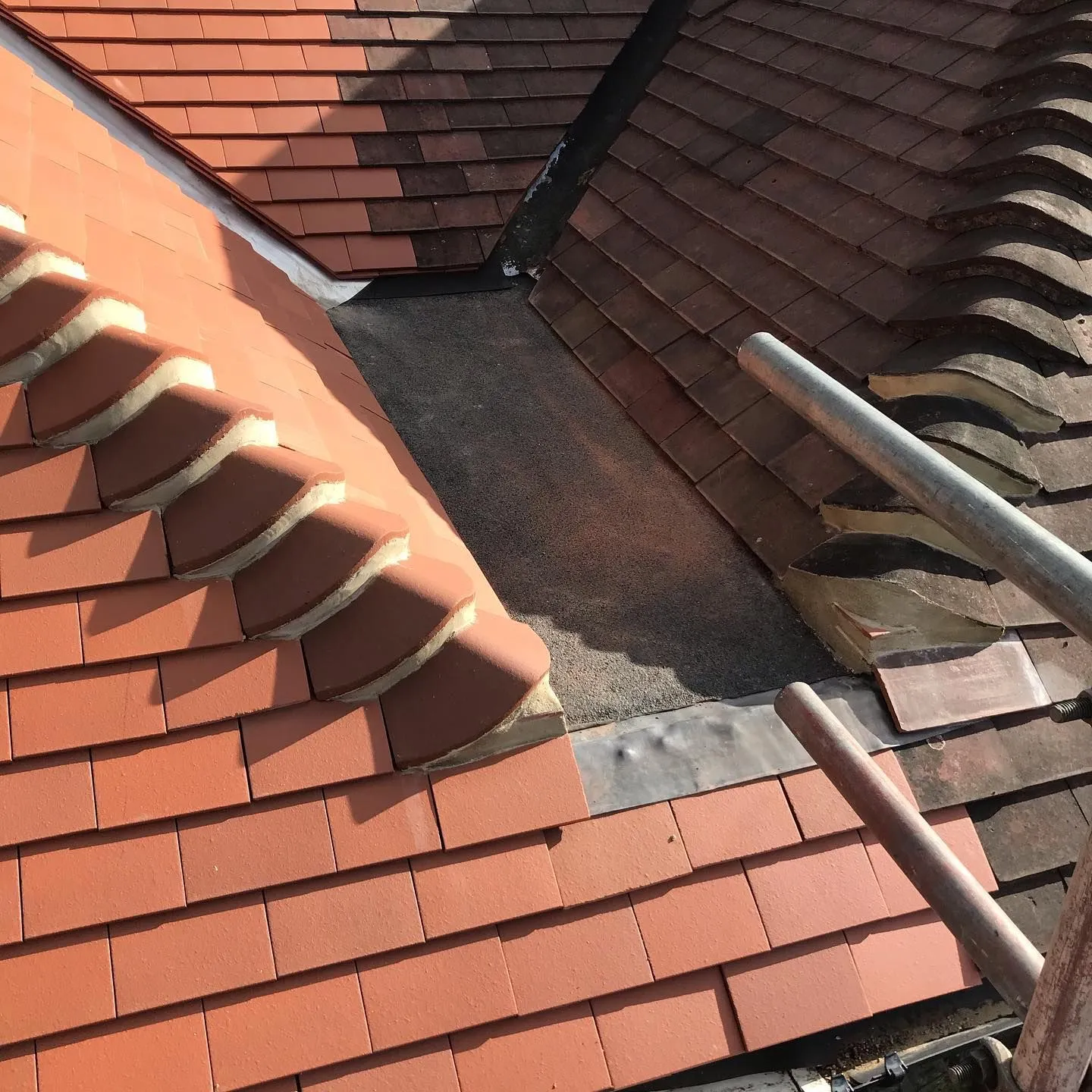
Before you can choose, it helps to know your options. The most widely used roof shapes on UK homes are the gable roof (two sloping sides meeting at a central ridge — the most popular choice across Derby's residential streets), the hip roof (four sides sloping down to the walls, more stable in high winds), the flat roof (increasingly popular for extensions and garages), the Mansard roof (a four-sided double-slope design common on Victorian and Edwardian terraces), the mono-pitch or shed roof (a single sloping surface, great for extensions), and the dormer — a structure within a pitched roof rather than a shape on its own.
This page focuses on how to choose between them. For a full breakdown of what each shape looks like, costs and suits, see our guide to UK roof shapes and styles.
1. The Style and Age of Your Home
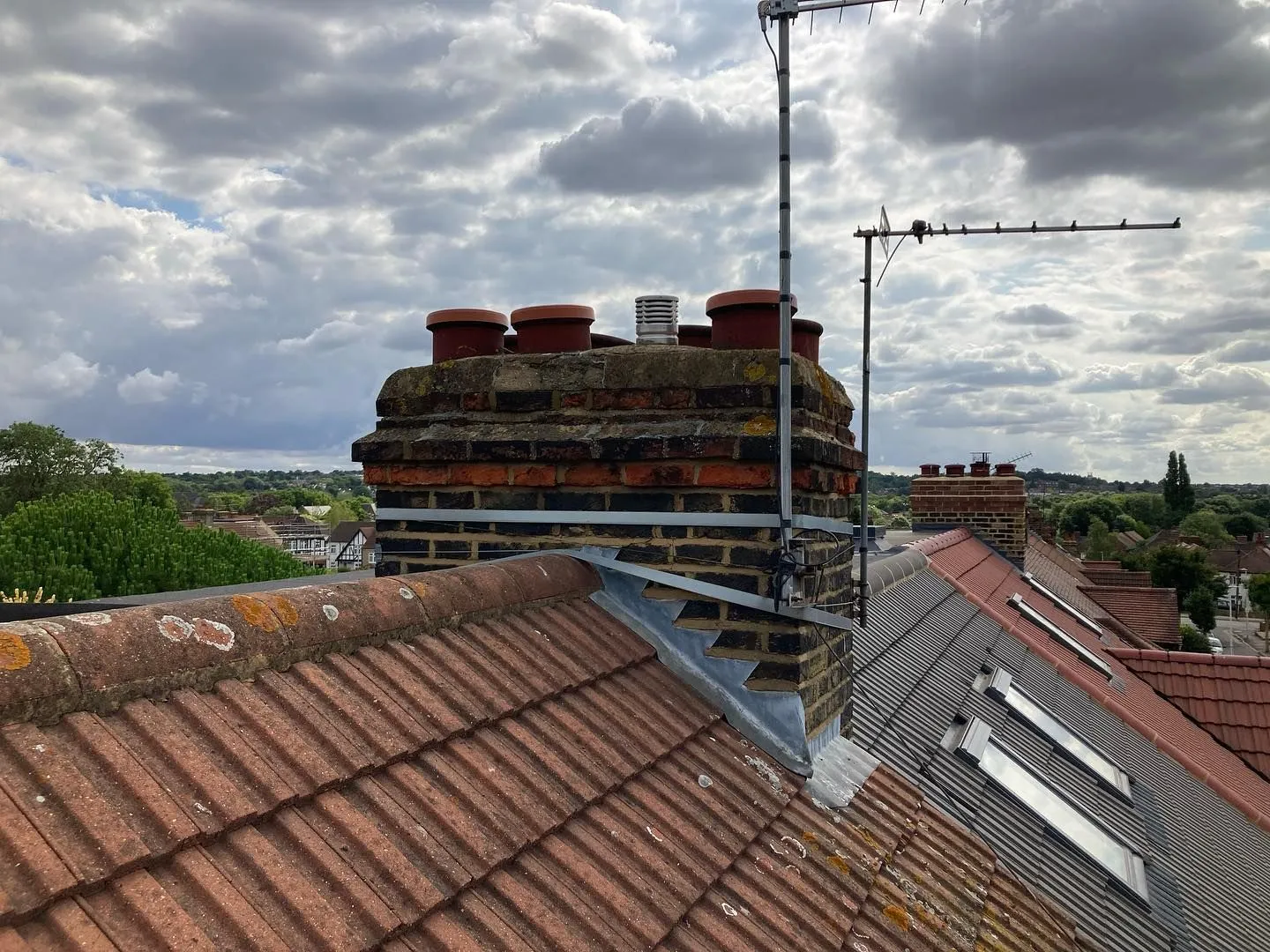
The architectural style of your property should always guide your roof shape decision. Derby and Derbyshire have a rich mix of housing stock — from Victorian terraces in Normanton and Pear Tree, to 1930s semis in Mickleover and Allestree, to modern new builds in Oakwood and Littleover. Each era has a roofing style that suits it best.
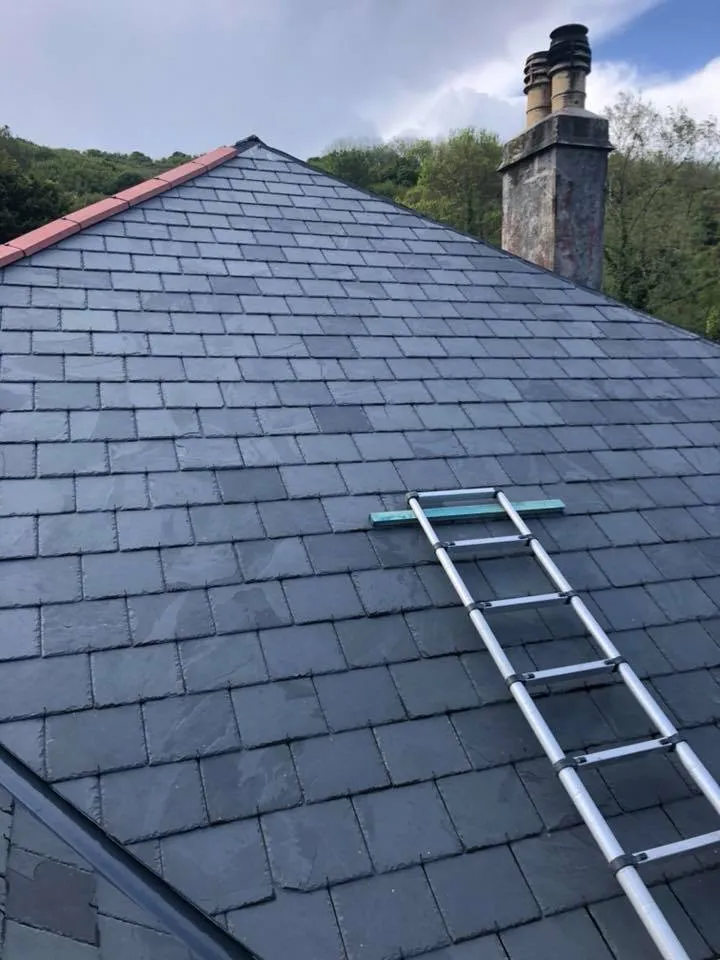
- Traditional Victorian and Edwardian homes pair well with gable or hip roofs with slate or clay tiles
- 1960s–1980s bungalows often suit low-pitched hip or gable designs
- Contemporary extensions and garden rooms work well with flat or mono-pitch roofs
- Listed buildings or properties in conservation areas in Derbyshire may have restrictions on what roof shape is permitted
Always check with Derby City Council or Amber Valley District Council before altering a roof shape on a period property.
2. Roof Pitch and Structural Strength
Roof pitch is the angle at which your roof slopes, and it directly affects water and snow drainage (steeper pitches shed rain and snow faster), which materials are suitable (clay and concrete tiles typically need a minimum pitch of around 17.5°, while EPDM rubber and felt suit flat or low-pitch roofs), installation cost, and how much usable loft space you gain.
Not every house can support every roof shape, either. The structural capacity of your walls, rafters and joists determines which designs are feasible without costly alterations — wind uplift affects hip and gable roofs differently, snow loading matters more for higher-altitude properties towards the Peak District fringe, and natural slate is far heavier than lightweight composite tiles.
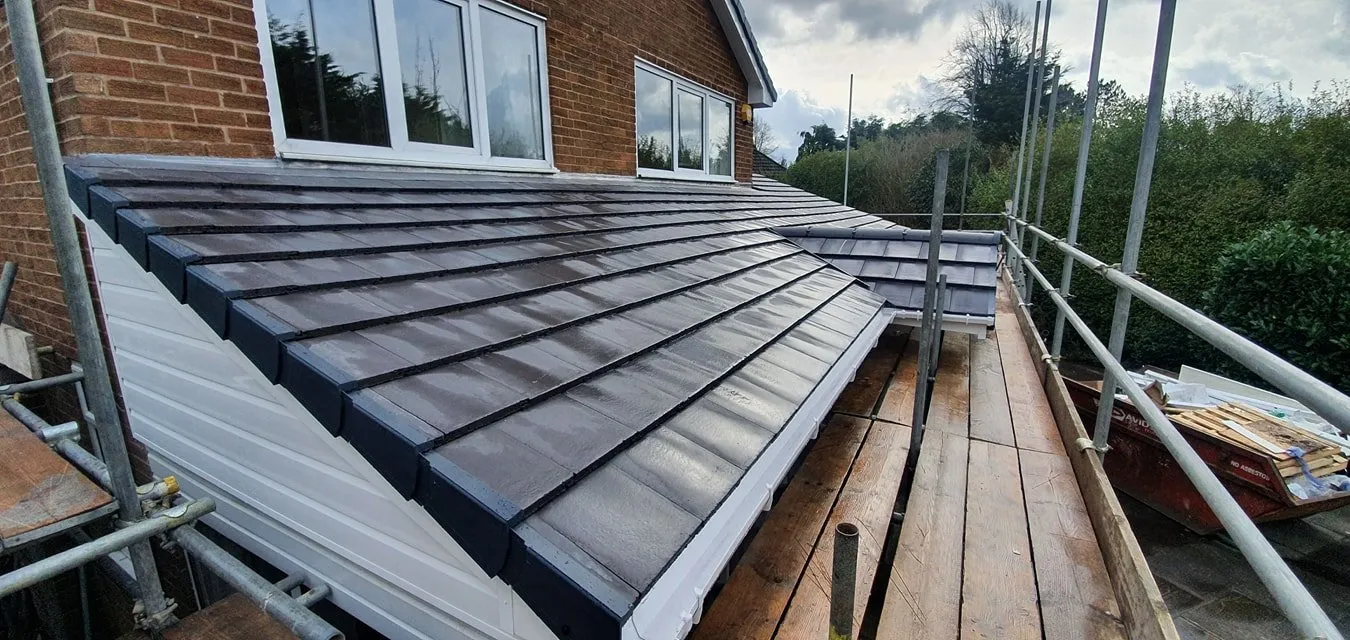
A structural assessment from a qualified Derby roofing contractor will tell you exactly what your home can support before you commit to a design.
3. Your Local Climate and Weather Conditions
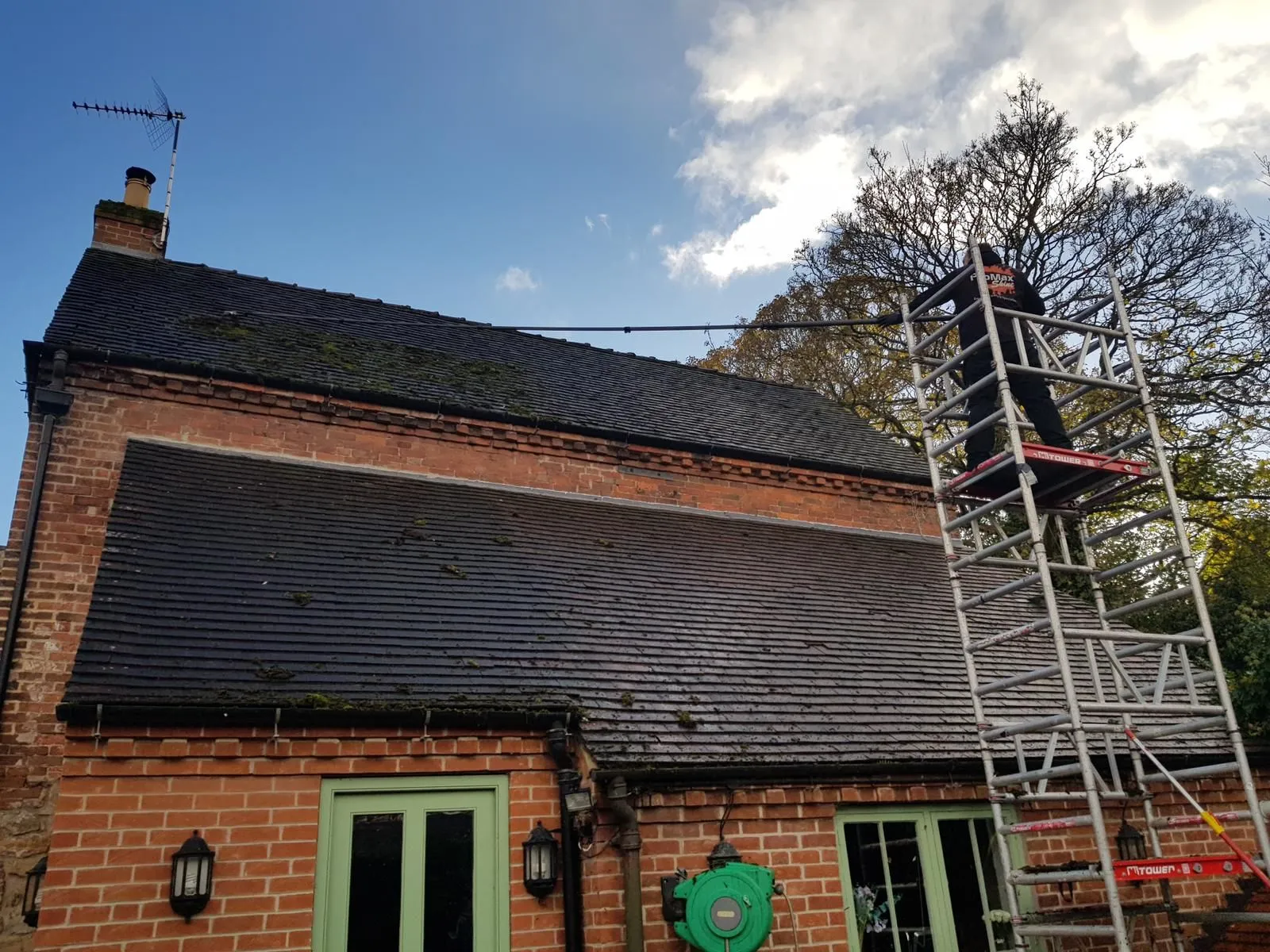
Derby sits in the East Midlands, experiencing a temperate maritime climate with significant rainfall year-round, occasional snow in winter, and periods of high wind. This makes certain roof choices more practical than others.
- Pitched gable and hip roofs are the most weather-resistant options for the Derby area
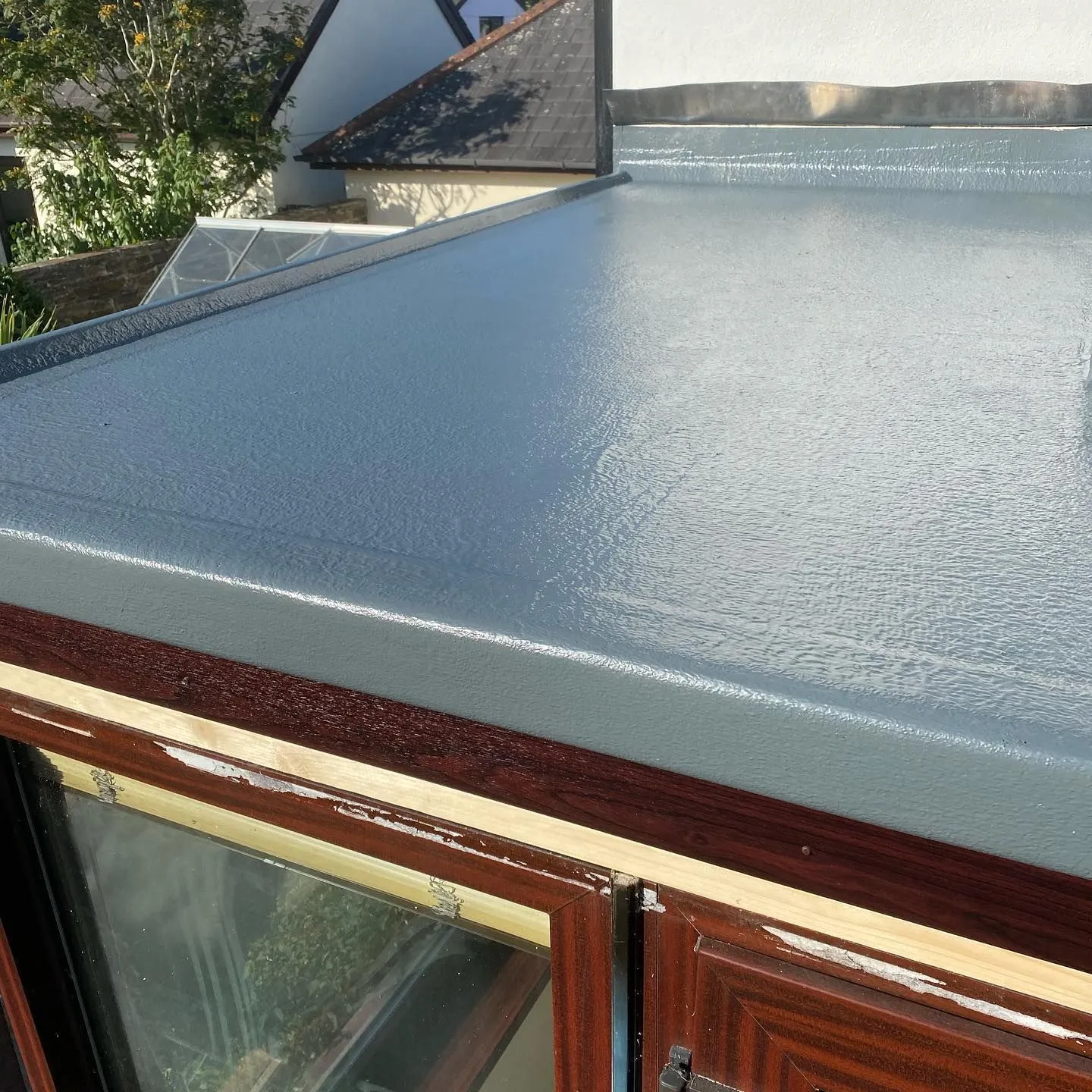
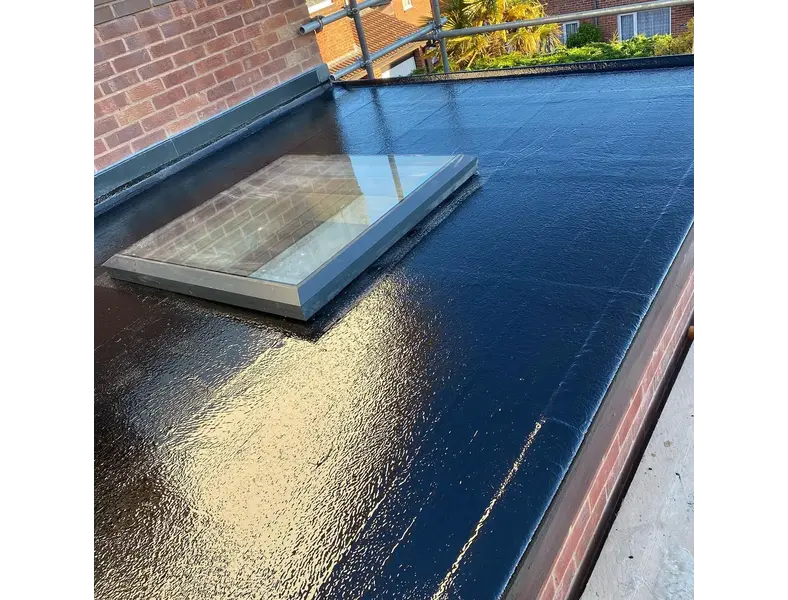
- Flat roofs need high-quality EPDM rubber or GRP fibreglass membranes to withstand prolonged rainfall — older felt flat roofs are a common source of leaks across Derby's housing stock
- Natural slate and clay tiles, both used extensively on Derbyshire's older homes, offer excellent durability in wet, cold conditions
If your property is in a more exposed location — such as elevated villages like Duffield, Belper or Wirksworth — wind resistance should be a primary factor in your material and shape selection.
4. Planning Permission and Building Regulations
Changing the shape of your roof usually requires planning permission from Derby City Council or the relevant district authority. Some like-for-like replacements don't require planning consent under permitted development rights, but changing the roof shape almost always does.
- Building Regulations (Part A, C and L) — structural stability, weatherproofing and energy efficiency standards must be met
- Restrictive covenants — many Derby housing estates built by developers have legal covenants restricting roof alterations; always check your title deeds
- Conservation area restrictions — areas of Derby such as Darley Abbey and parts of Mickleover may have additional controls on roofing materials and shapes

Derby Roofers can advise you on permitted development thresholds and liaise with planning authorities on your behalf.
5. Materials Compatibility and Energy Efficiency
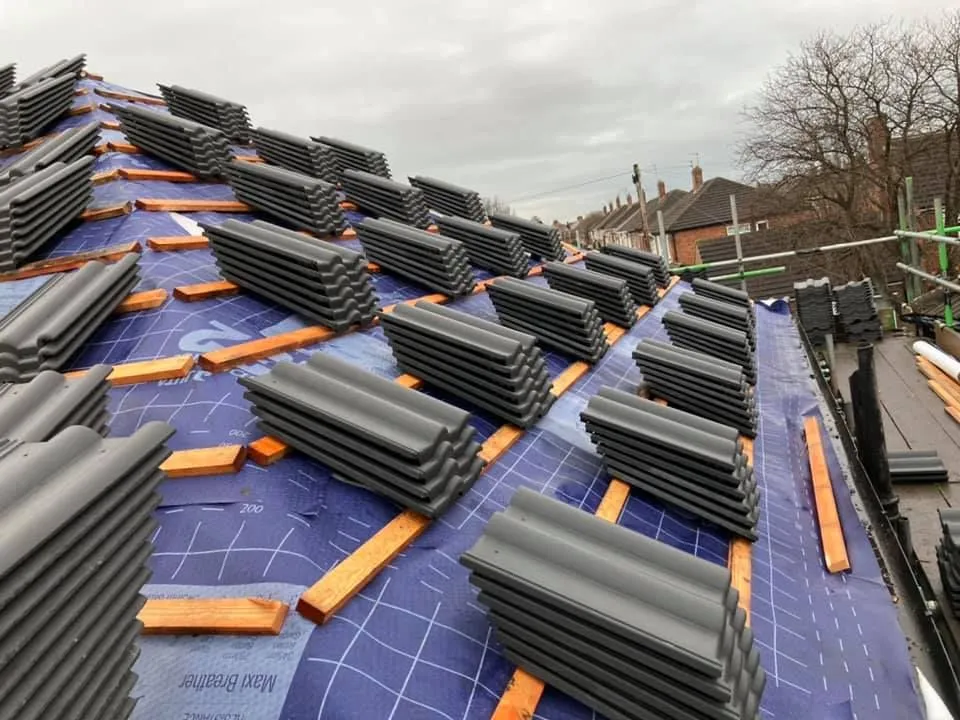
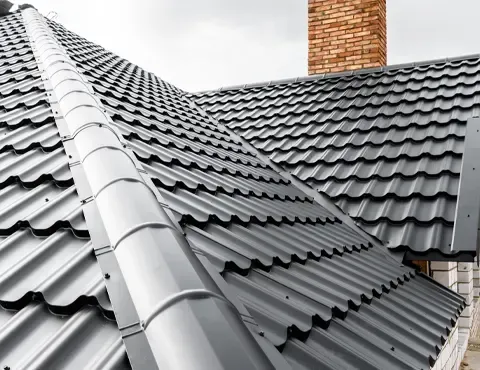
Your choice of roofing material is directly linked to the roof shape — not all materials work on all pitches. Concrete and clay tiles suit pitches above 17.5° and work on gable, hip and Mansard roofs. Natural slate suits steeper pitches. GRP fibreglass and EPDM rubber are designed for flat and low-pitch roofs. Metal roofing works across a wide range of pitches, and solar tiles perform best on south-facing pitches of 30–45°. See our guide to roof tile materials for a fuller comparison.
Shape also affects energy efficiency. Loft insulation works best in pitched roofs with usable attic space, gable and hip roofs allow for ridge and soffit ventilation to prevent condensation and damp, and flat or low-pitch roofs can support sedum or wildflower green roofs, reducing surface water run-off.
How a Roof Shape Decision Goes, From First Call to Finished Roof
Choosing a roof shape doesn't need to be guesswork. Here's how we help Derby homeowners work through the decision.
- Call or email us: Tell us whether you're planning a like-for-like replacement, a shape alteration, or a new roof on an extension or new build.
- Site visit and assessment: We inspect the existing roof shape, pitch, structure and access, and check for any obvious planning or conservation area restrictions.
- Shape and material recommendations: We talk through which shapes suit your property's style, budget and Derbyshire's weather, and which materials are compatible.
- Written, itemised quotation: You receive a clear quote covering materials, labour, scaffolding and waste disposal, so there are no surprises once work starts.
- Planning and Building Regulations support: Where a shape change needs planning permission, we advise on permitted development thresholds and can liaise with Derby City Council or the relevant district authority.
- Installation and completion: Our access-certified team carry out the work using the appropriate equipment for the property's height and layout, finishing with a completion check.
6. Neighbouring Properties and Local Streetscape
In most Derby residential streets, homes were built in consistent styles. A dramatically different roof shape can look out of place and may affect your property's saleability. Worth asking: what roof shapes are most common on your street? Does your design complement or clash with adjacent properties? Will your roof affect light or privacy for neighbours — a factor planning officers consider too.
This doesn't mean you can't be different — but any departure from the norm is likely to attract closer scrutiny from planning officers at Derby City Council.
7 & 8. Size of the Roof, Project Cost and Realistic Budgets
Larger, more complex roof shapes cost more, in both materials and labour. As a general guide for the Derby area, a straightforward gable or hip roof replacement on a three-bed semi-detached property will typically be more cost-effective than a Mansard or complex multi-valley design. Flat roofs are usually the most affordable to install initially, though they require more maintenance over their lifetime. The size of your roof also affects scaffolding requirements, waste disposal and the number of tradespeople needed.
Shape has a direct effect on cost because it changes the amount of material, the number of junctions and hips or valleys to weatherproof, and the labour time needed. Hip roofs typically add to both material and labour costs because every slope needs to be cut and fitted individually rather than running straight tiles across a gable end. Mansard conversions sit at the higher end because of the additional structural work and the number of junctions that need detailing correctly to stay watertight.
| Project | Typical Cost |
|---|---|
| Flat roof replacement (garage or extension) | £800–£3,500 |
| Full pitched roof retile (3-bed semi) | £3,000–£8,000+ |
| Roof shape alteration or new build roof | £5,000–£20,000+ |
These figures are a starting guide only — a full, itemised quote needs a site visit so we can check the existing structure, access, and any planning or conservation constraints that apply to your property. Always request a written, itemised quote from your Derby roofing contractor before work begins.
Roof Shapes and Derbyshire Homes — What Works Best Locally?
Derby's housing stock is diverse. Here's a quick local reference guide to what typically suits each area.
- Victorian terraces (Normanton, Peartree, Pear Tree Road areas – DE23, DE24): Traditional gable roofs with natural slate or clay pan tiles. Replacement should ideally use matching or sympathetic materials.
- 1930s semis (Mickleover DE3, Allestree DE22): Hip roofs are common. Concrete interlocking tiles are popular replacements; slate-effect tiles are a good modern alternative.
- Post-war estates (Spondon DE21, Chaddesden DE21, Alvaston DE24): Simple gable roofs, often with concrete plain or interlocking tiles. Like-for-like replacement is usually straightforward.
- Modern new builds (Oakwood DE21, Heatherton DE23, Boulton Moor DE24): Mix of hip and gable with concrete tiles or slate. Flat roof sections on garages and porches are common.
- Rural Derbyshire properties (Duffield DE56, Belper DE56, Heanor DE75): Traditionally gable with natural slate or stone. Planning authorities often require matching materials to preserve local character.
What's Included When You Ask Us About Roof Shape
- An on-site inspection of your existing roof shape, pitch, structure and condition
- Advice on which shapes suit your property's age and style — gable, hip, flat, Mansard, mono-pitch or dormer
- Guidance on structural load-bearing capacity for walls, rafters and joists before any alteration
- Advice on which materials work with your chosen shape and pitch (tiles, natural slate, EPDM rubber, GRP fibreglass, metal)
- Help understanding permitted development rights, Building Regulations and conservation area restrictions that apply in Derby
- A written, itemised quotation covering materials, labour, scaffolding and waste disposal
Not Included / Costed Separately
- Formal planning application submission and council fees (we can advise, but the application itself is a separate process)
- Structural engineer's calculations for major shape alterations, referred out where a full engineering assessment is needed
- Listed building consent applications on protected properties
- The roofing installation cost itself, which is quoted separately once shape and materials are agreed
- Scaffolding or access tower hire, priced according to the height and layout of the property
Where We Cover Roof Shape Advice and Installation
Derby Roofers are proud to serve homeowners and businesses across Derby city and the surrounding Derbyshire area, including villages on the Peak District fringe where exposed sites make wind resistance a bigger factor in shape selection.
- Derby City Centre – DE1
- Mickleover – DE3
- Oakwood, Spondon, Chaddesden, Little Eaton – DE21
- Allestree, Quarndon, Darley Abbey – DE22
- Littleover, Normanton, Pear Tree, Sunnyhill – DE23
- Alvaston, Boulton, Osmaston, Peartree – DE24
- Ripley, Denby, Codnor – DE5
- Ashbourne and surrounding villages – DE6
- Ilkeston, West Hallam – DE7
- Belper, Milford, Duffield – DE56
- Matlock, Wirksworth, Darley Dale – DE4
- Heanor, Loscoe, Langley Mill – DE75
Frequently Asked Questions About Choosing a Roof Shape
What is the most common roof shape in the UK?
The gable roof — also called a duo-pitch roof — is the most widely used roof shape across the UK, including Derby and Derbyshire. It consists of two sloping sides meeting at a central ridge, forming the classic triangular 'house shape.' It suits the UK's wet climate well, offers good loft space and is compatible with the widest range of roofing materials.
Which roof shape is the most durable?
Hip roofs are generally considered more structurally stable than gable roofs in high-wind conditions, because all four sides slope inward and there are no exposed flat gable ends. For properties in exposed areas of Derbyshire, such as higher villages near the Peak District, a hip roof offers superior weather resistance.
Does changing your roof shape require planning permission?
In most cases, yes. Altering the shape, height or footprint of a roof goes beyond what is permitted under Permitted Development Rights. You will need to apply to Derby City Council or your local planning authority. Derby Roofers can help you understand what's required before you start.
What is the cheapest type of roof shape to install?
A flat roof or simple mono-pitch (shed) roof is usually the cheapest to install due to minimal materials and lower labour requirements. However, flat roofs require quality waterproofing membranes and more regular maintenance than pitched roofs, so whole-life costs should be considered.
What roof shape is best for heavy rainfall in the UK?
A steeply pitched gable or hip roof is best for areas with high rainfall. The greater the pitch, the faster rainwater runs off, reducing the risk of water ingress and leaks. This is particularly relevant for Derby and Derbyshire, where rainfall is consistent throughout the year.
Can I add solar panels to any roof shape?
Solar panels work best on south-facing pitched roofs with a slope of between 30° and 45°. While panels can be fitted to flatter roofs using angled mounting frames, this adds cost. A good Derby roofing contractor can advise on the best orientation and pitch for solar integration during a roof replacement or new installation.
How does roof shape affect loft conversion potential?
Roof shape is one of the biggest factors in whether a loft conversion is feasible. Gable roofs typically offer more usable headroom than hip roofs. A hip-to-gable conversion, where the sloping hip end is replaced with a vertical gable wall, is a popular way to maximise loft space on semi-detached and detached properties across Derby.
What roof shape adds the most value to a house in the UK?
Roof shapes that improve kerb appeal, increase usable floor space (such as Mansard or dormer conversions), and complement the surrounding streetscape tend to add the most value. A well-maintained, correctly shaped roof with quality materials will add significantly more value than a poor-quality replacement in the wrong style.
Get Your Roof Shape Confirmed Before Work Starts
If you're weighing up a gable, hip, Mansard or flat roof for a Derby property, get the details settled before materials are ordered rather than after — shape decisions are far cheaper to change on paper than once battens are down.
Choosing the right roof shape is a significant decision, and one that's far easier with an experienced local roofer by your side. We have the knowledge of local housing styles, planning requirements, and Derbyshire's climate to guide you to the right solution for your home and your budget.
- Free, no-obligation quotations
- Experienced local roofers based in Heanor, serving all of Derby and Derbyshire
- Fully insured, professional and reliable
- Competitive pricing with no hidden costs
Contact us for a site visit and a written quote before you commit to a roof shape.