Roof Replacement Cost Derby | 2026 Price Guide
Call: 01332-529704
Honest, Derby-specific 2025/2026 prices — broken down by property type and material, with what’s actually included in a full re-roof quote.
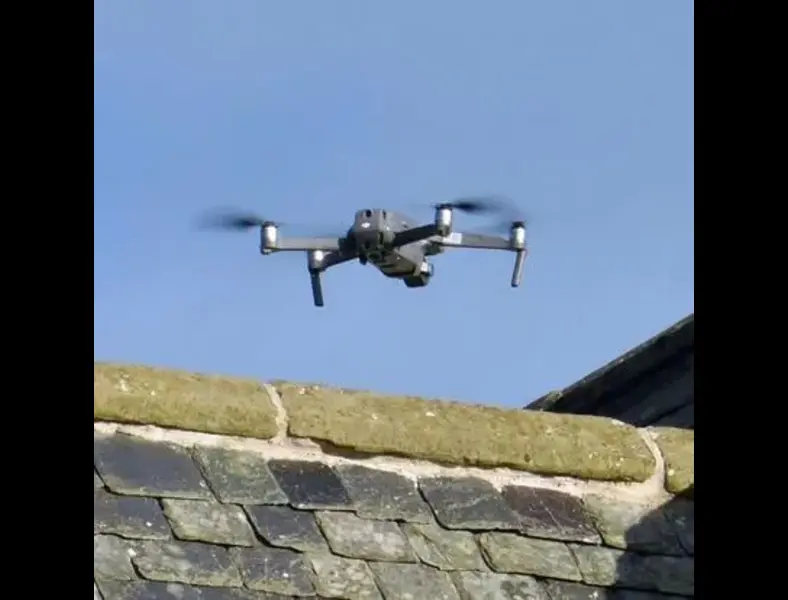
- Free Drone Roof Surveys
- Over 20 Years Replacing Derby Roofs
- IPAF & PASMA-Certified Team
Roof Replacement Cost in Derby at a Glance (2025/2026)
A full roof replacement in Derby costs from around £5,000 for a smaller terraced house to £14,000 or more for a larger detached home. Most three-bedroom semi-detached properties in Derby come in between £7,000 and £12,000 using concrete or clay tiles, with scaffolding and skip hire included.
Natural slate costs considerably more than concrete tile — typically 50 to 80 per cent above. The exact price you pay depends on roof size, material choice, scaffolding requirements, and what condition the underlying roof structure is in once the old covering is stripped.
These are the key cost factors:
- Roof size in square metres
- Material — concrete tile, clay tile, natural slate, synthetic slate
- Scaffolding access and how long it needs to stay up
- Structural condition of rafters, battens, and decking on strip
- Ridge, hip, valley, and lead flashing work required
Roof Replacement Costs in Derby by Property Type (2025/2026)
The size and type of your property is the single biggest factor in the final price. The figures below are realistic 2025/2026 ranges for Derby properties, covering a full re-roof including scaffolding, stripping, new underlay, battens, tiles, ridge work, and lead flashings.
| Property Type | Roof Area | Concrete Tile | Clay Tile | Natural Slate |
|---|---|---|---|---|
| 2-bed terraced house | 40–55 m² | £5,000–£8,000 | £7,000–£10,500 | £9,500–£14,000 |
| 3-bed semi-detached house | 50–65 m² | £7,000–£12,000 | £9,500–£14,500 | £13,000–£19,000 |
| 4-bed detached house | 80–130 m² | £10,000–£18,000 | £13,500–£22,000 | £18,000–£28,000 |
| Bungalow | 45–70 m² | £5,500–£9,000 | £7,500–£12,000 | £10,000–£15,500 |
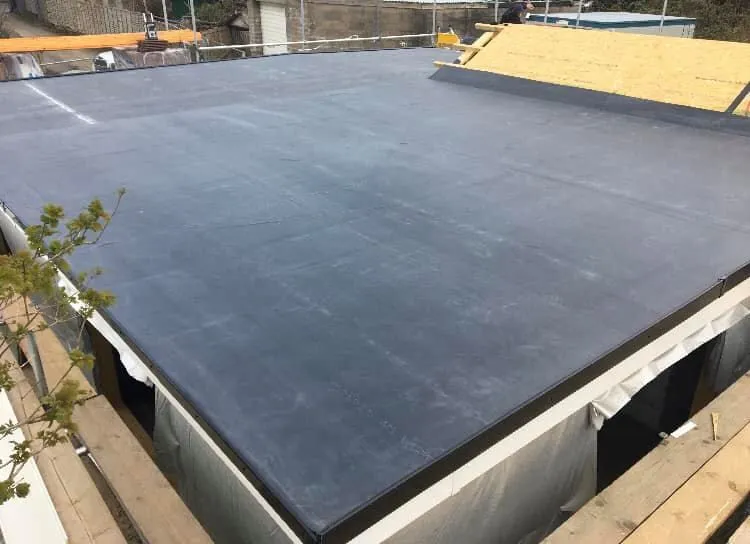
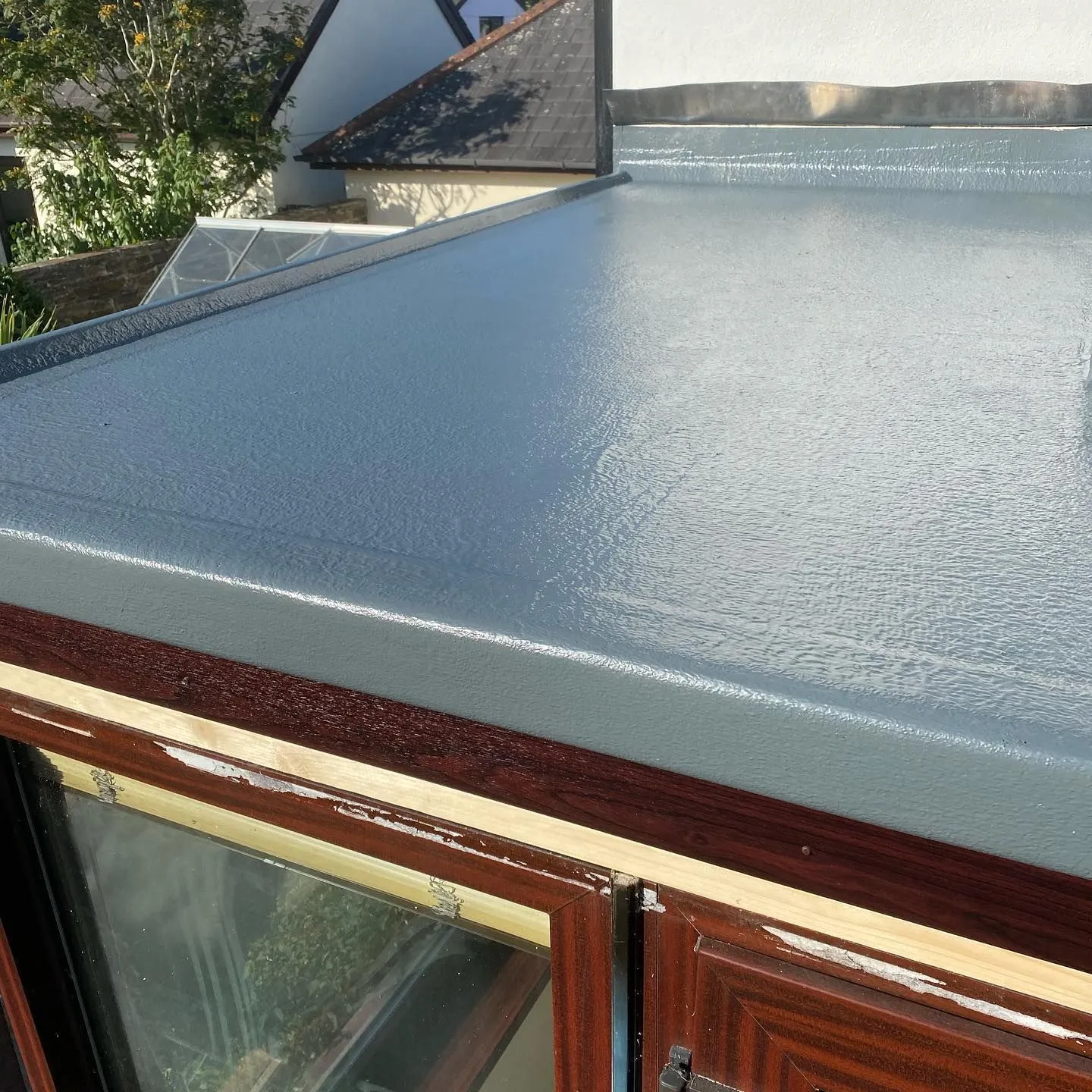
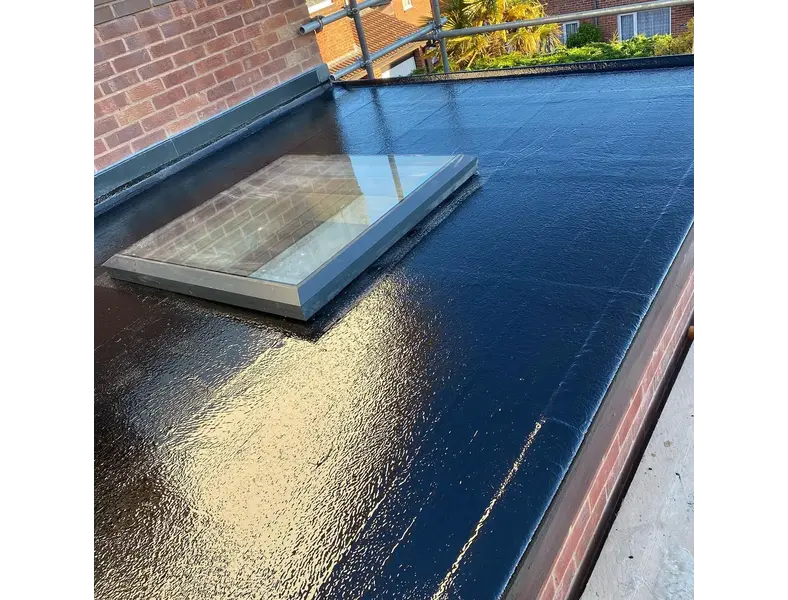
Prices above do not include structural timber repairs if found once the old covering is stripped — if we find rotten battens, damaged rafters, or softened decking, we show you directly and quote the extra work before touching it. Hipped roofs, dormer windows, multiple chimney stacks, and valley details all add time and cost. Derby’s older terraced streets — Normanton, Spondon, parts of Chaddesden — often have chimney stacks and clay valley tiles that need careful matching. Flat roof replacements on garages, extensions, and bay windows are priced separately, typically from around £1,000–£1,800 for felt, rising to £1,500–£3,000 for EPDM rubber or GRP fibreglass.
Concrete, Clay, Natural Slate or Synthetic Slate — Comparing Your Options
Material choice affects the cost, the lifespan, and how your property looks. It also has planning implications for properties in Derby’s conservation areas. Here is a straightforward breakdown.
| Material | Typical Lifespan | Best Suited To | Relative Cost vs Concrete Tile |
|---|---|---|---|
| Concrete tile | 30–50 years | Post-war and modern estates — Mickleover, Chellaston, Allestree, Alvaston | Baseline cost |
| Clay tile | 60+ years | Period terraces and semis in Normanton, Spondon, and Chaddesden | Roughly £2,000–£4,500 more than concrete on a like-for-like roof |
| Natural slate | 100+ years with good maintenance | Victorian and Edwardian properties in Darley Abbey, the Cathedral Quarter, Littleover, and Normanton | 50–80% above concrete tile |
| Synthetic slate | Shorter than natural slate but a durable modern alternative | Period-style properties where planning guidance allows modern materials, or where budget rules out natural stone | Below natural slate, above concrete tile |
For listed buildings or properties in Derby’s conservation areas, material choice may be subject to local planning guidance. We flag this during the free survey and advise accordingly.
What’s Included in a Roof Replacement Quote in Derby?
A proper roof replacement quote should include everything below. If a quote leaves items out, ask specifically what is excluded before you agree to anything.
- Erecting and dismantling scaffolding around the property
- Stripping all existing tiles, slates, felt, and battens
- Skip hire and responsible disposal of all waste
- New breathable roofing membrane (underlay)
- New treated timber battens fixed to rafters
- New roof tiles or slates — your chosen material
- New ridge tiles and hip tiles, fixed using a dry ridge system or mortar as specified
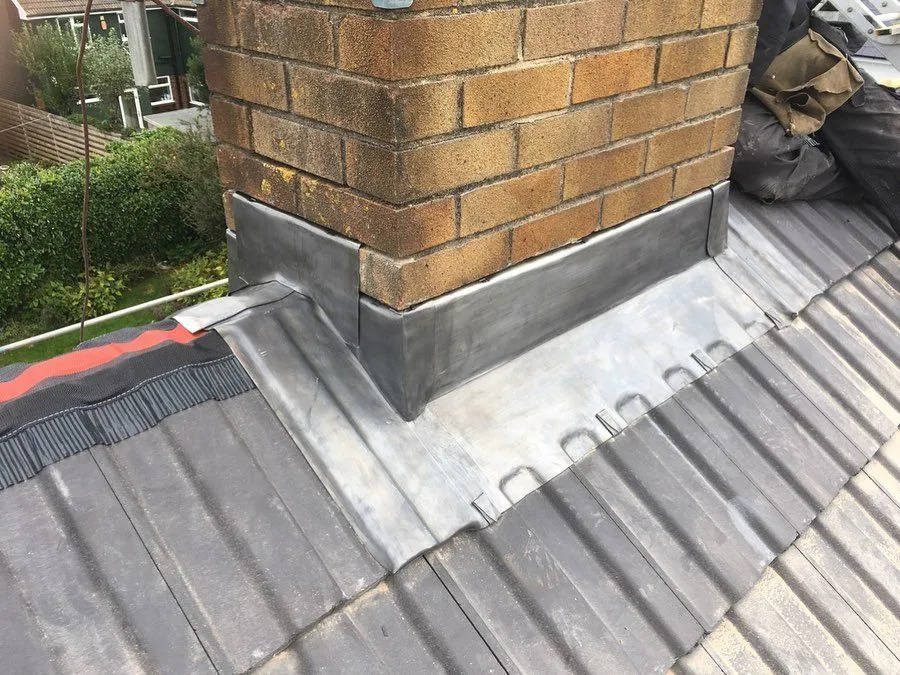
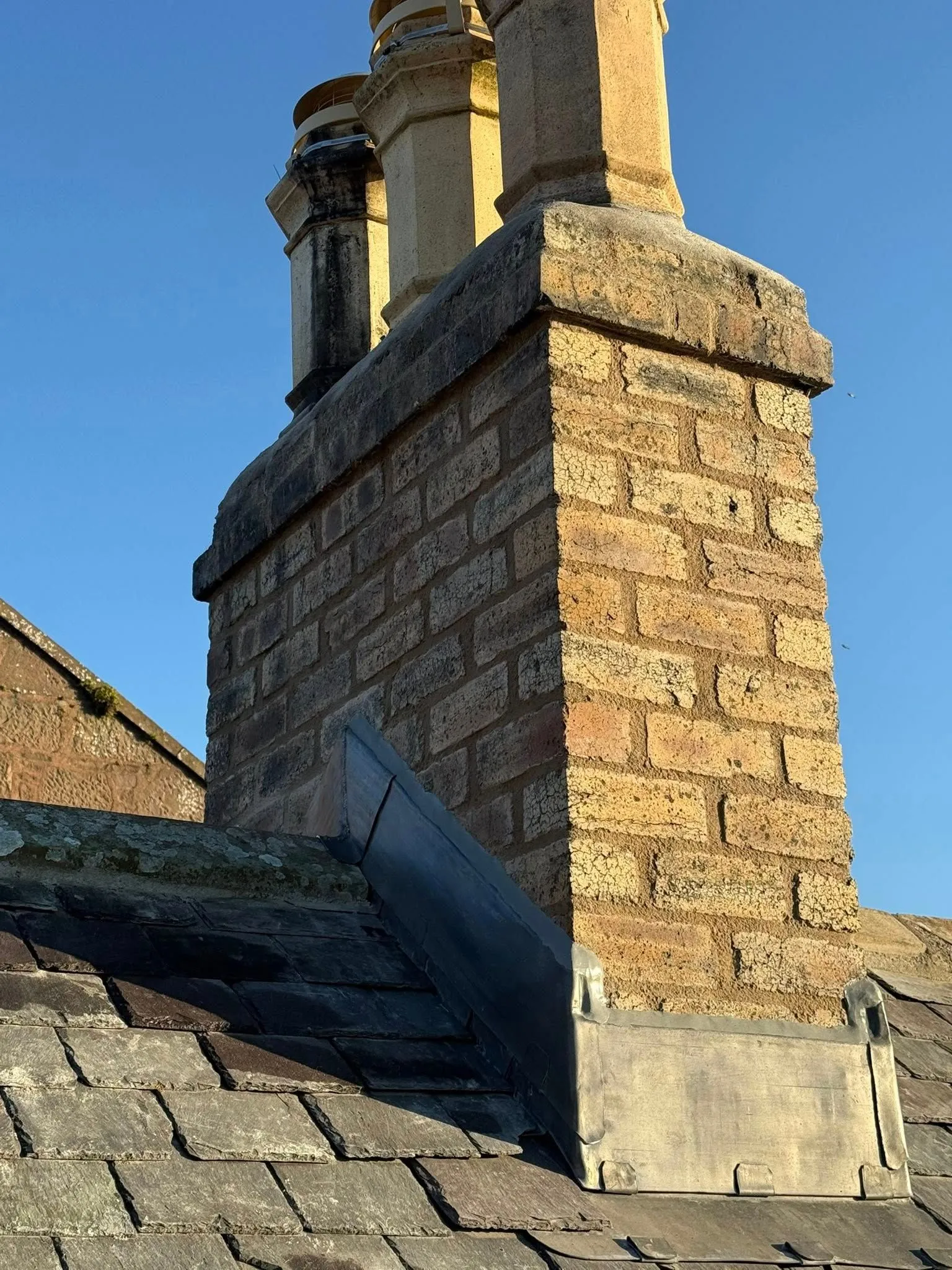
- Lead flashings around chimneys, dormers, party walls, and skylights
- Site clean at the end of each working day and on completion
- Written handover documentation and workmanship warranty
Not Included / Costed Separately
- Structural timber repairs — rotten rafters, damaged purlins, or softened roof decking
- Chimney repointing, rebuilding, or removal
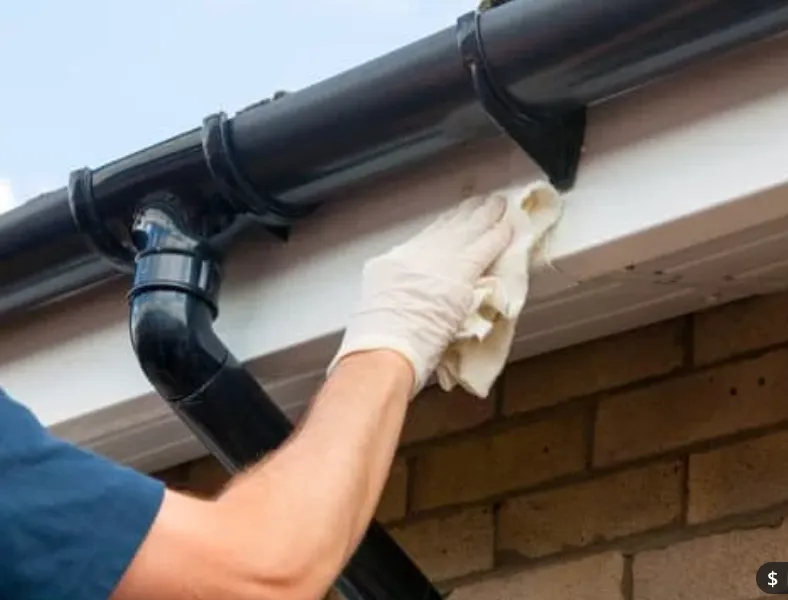
- Fascia, soffit, and guttering replacement
- Insulation upgrades required to meet building regulations (if replacing more than 25% of the roof, Part L applies)
- Dry ridge or dry verge systems if not already included in the base quote
We always provide a fully itemised written quote before any work begins. You will not get a vague verbal estimate or a surprise add-on after the scaffolding is up.
What Happens Between Your Call and a Finished Roof
A full re-roof is a structured, six-step process. Here is what happens on your Derby property from first call to finished roof.
- Free drone survey: Call and book a free drone roof survey of the property. This is done without erecting scaffolding, and covers the age, material, and condition of the existing roof, including any chimney stacks, valleys, or dormers.
- Written, itemised quote: Based on the survey findings, you get a written quote broken down by item — scaffolding, stripping, materials, ridge and flashing work — rather than a verbal estimate. Any planning considerations for conservation areas or listed buildings are flagged at this stage.
- Scaffolding and strip-out: Scaffolding goes up and the existing tiles, slates, felt, and battens are stripped back to the rafters. This is the point at which the condition of the timber structure and decking becomes visible.
- Structural check before continuing: If rotten battens, damaged rafters, or softened decking are found once the old covering is off, this is shown to you directly and priced separately before any further work starts.
- New roof installation: New breathable underlay, treated timber battens, and your chosen tiles or slates go on, followed by ridge and hip tiles and lead flashing around chimneys, dormers, and skylights.
- Daily clean-up and handover: The site is cleaned at the end of each working day and the roof is tarped overnight if the job runs over more than one day. On completion you get written handover documentation and a workmanship warranty.
How We Replaced Mr & Mrs Roberts’ Constantly Repaired Bungalow Roof in Chaddesden
Mr and Mrs Roberts had been spending money on their bungalow roof in Chaddesden for the best part of four years. A tile here, repointing there, a flashing repair after a particularly wet winter. Each job seemed reasonable at the time. But the bills were adding up and the roof was still letting water in.
Our free drone survey told the story clearly. The roof was a concrete tile system from the late 1980s, porous and absorbing moisture for years. The mortar bedding on the ridge had failed along its entire length, and the single-layer underlay had no meaningful resistance left. Previous repairs had addressed individual symptoms without tackling the underlying condition of the roof as a whole.
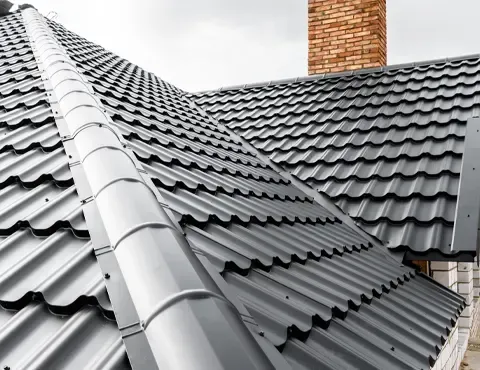
Our recommendation was straightforward — a full re-roof was the only cost-effective path forward. We stripped the roof completely, inspected and replaced several damaged battens, installed a modern breathable underlay, and refitted the roof with new concrete interlocking tiles. A dry ridge system replaced the old mortar bedding entirely. The work was completed in seven days, and Mr and Mrs Roberts have had no roof issues since. The lesson holds across Chaddesden and the wider Derby area — repeat repairs on an ageing roof rarely save money over time.
Repair or Full Replacement — How We Decide
Not every failing roof needs stripping. A repair is often the right answer. But patching a roof that needs replacing costs more over time. We recommend a full replacement when:
- Tiles or slates are failing across a large part of the roof — not just one isolated section
- The same section has been repaired more than twice in five years
- The original felt underlay has deteriorated and water is reaching the roof structure
- Timber battens are rotting or roof decking has softened from sustained damp
- Your roof is over 30 years old and showing widespread deterioration rather than isolated problems
Insurance: Insurance covers sudden accidental damage — storm, fallen trees, fire. It does not cover wear, age-related failure, or poor maintenance. We provide written condition reports that document cause and extent of damage, which supports insurance claims.
Spray foam warning: One thing that often comes up in Derby surveys is spray foam insulation in the loft. Spray foam bonds to the underside of roof timbers and tiles, making the roof effectively non-mortgageable — mortgage lenders will often decline on a property with spray foam in the roof void. Before we re-roof any Derby property with spray foam, we advise on removal so the finished roof has a clean, mortgageable structure.
Roofing Coverage: Derby First, Further Afield by Arrangement
Derby is our base, and the bulk of the pricing in this guide reflects work carried out across DE1–DE24 and the surrounding Derbyshire towns and villages. We also take on roof replacement and re-roofing work further afield across the UK. The same free drone survey and written, itemised quote process applies wherever the property is.
- Derby (DE1)
- Long Eaton (NG10)
- Belper (DE56)
- Borrowash (DE72)
- Breadsall (DE21)
- Mickleover (DE3)
- Ashbourne (DE6)
- Ilkeston (DE7)
- Willington (DE65)
- Chesterfield (S40)
- Matlock (DE4)
- Bakewell (DE45)
- Swadlincote (DE11)
- Markeaton (DE22)
- Heanor (DE75)
- Ripley (DE5)
- Alfreton (DE55)
- Burton on Trent (DE13)
- Buxton (SK17)
- Nottingham (NG)
Frequently Asked Questions — Roof Replacement Cost in Derby
How much does a roof replacement cost in Derby?
A straightforward concrete tile re-roof on a semi or terrace generally falls between £5,000 and £9,000, rising to £10,000–£15,000+ for larger detached roofs or ones with several valleys and dormers. Clay or natural slate adds a premium on top of that — see the comparison table above. A firm figure comes from the free drone survey, since pitch, access, and roof condition all move the price.
How long does a full re-roof take?
A typical semi or terrace re-roof runs three to five working days once scaffolding is up, weather permitting. Larger detached roofs, or ones needing structural timber repairs, take longer. The written quote sets out a realistic timeframe based on your specific roof.
Do I need to move out while my roof is being replaced?
No. The work is carried out from outside the property, the site is cleaned at the end of each working day, and the roof is tarped overnight on any job that runs past a single day, so the house stays weathertight throughout.
What happens if you find rotten timber once the old roof is stripped off?
Rotten battens, rafters, or decking sometimes only become visible once the old tiles and felt are off. If that happens, it’s shown to you directly and priced separately before any further work starts — it isn’t added to the bill afterwards without your agreement.
Do I need planning permission to replace my roof?
Most like-for-like re-roofs don’t need planning permission, but properties in conservation areas or listed buildings can have extra requirements around materials or appearance. Any planning considerations for your address are flagged at the written quote stage.
Which roofing material should I choose?
It depends on the age of the property and your budget. Concrete tile suits post-war and modern estates such as Mickleover and Chellaston, clay tile is common on period terraces in Normanton and Chaddesden, and natural slate is typically specified for Victorian and Edwardian properties in Darley Abbey and the Cathedral Quarter. Synthetic slate is a lower-cost alternative where planning guidance allows modern materials.
Is the new roof guaranteed?
Yes. You receive written handover documentation and a workmanship warranty once the job is complete.
How does the free drone survey work?
A drone is flown over the roof to record its age, material, and condition, including chimney stacks, valleys, and dormers, without any scaffolding needing to go up first. The findings feed directly into your written, itemised quote.
Can you get onto chimneys and valleys on terraced houses without a full scaffold?
Yes. Our team holds PASMA certification for mobile access towers and IPAF certification for powered access platforms, which between them cover most awkward terraced-roof access — shared chimney stacks, narrow valley gutters, and sections boxed in by extensions — without waiting on a separate access contractor.
Book Your Free Drone Survey Before Autumn Weather Sets In
A roof that’s past its best doesn’t improve by being left. Slipped tiles and felt failures tend to show up first during autumn rain and winter frost, which is also when scaffolding and materials are hardest to book at short notice across Derby.
Getting a free drone survey done now means a written, itemised quote in hand well before the weather turns, with a start date that isn’t competing with everyone else’s storm-damage calls in November.
- ✅ Free drone survey and written, itemised quote
- ✅ Over 20 years of local re-roofing experience
- ✅ IPAF & PASMA-certified access team
- ✅ Workmanship warranty on every job
Call now for a free, no-obligation drone survey and a fixed price in writing.