Chimney Cowl & Bird Guard Fitting Derby
Call: 01332-529704
Cowl and bird guard fitting for Derby chimneys — matched to your flue and fuel type, and fitted on the same visit in most single-stack cases.
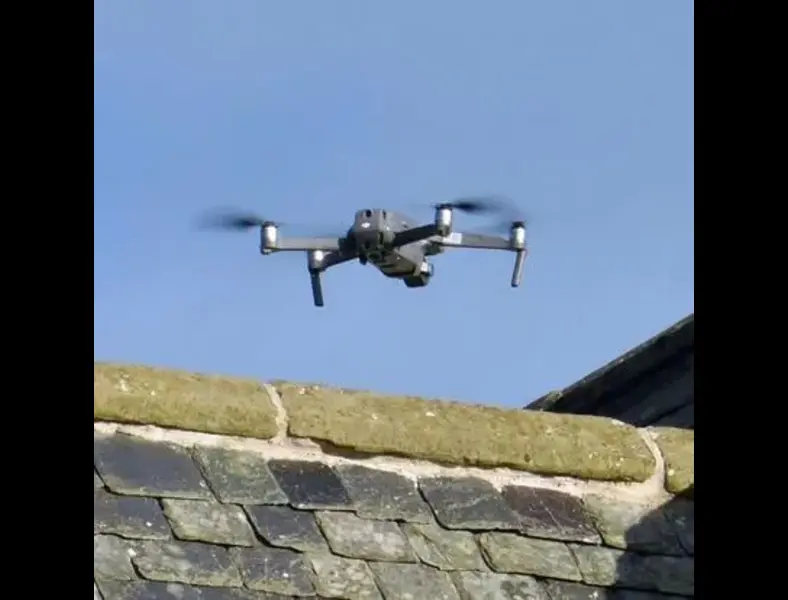
- Free Drone Survey
- Free, No-Obligation Quote
- IPAF & PASMA-Certified Team
- Combined with Repointing on Request
An Open Chimney Pot Is an Open Invitation — Here’s How We Close It
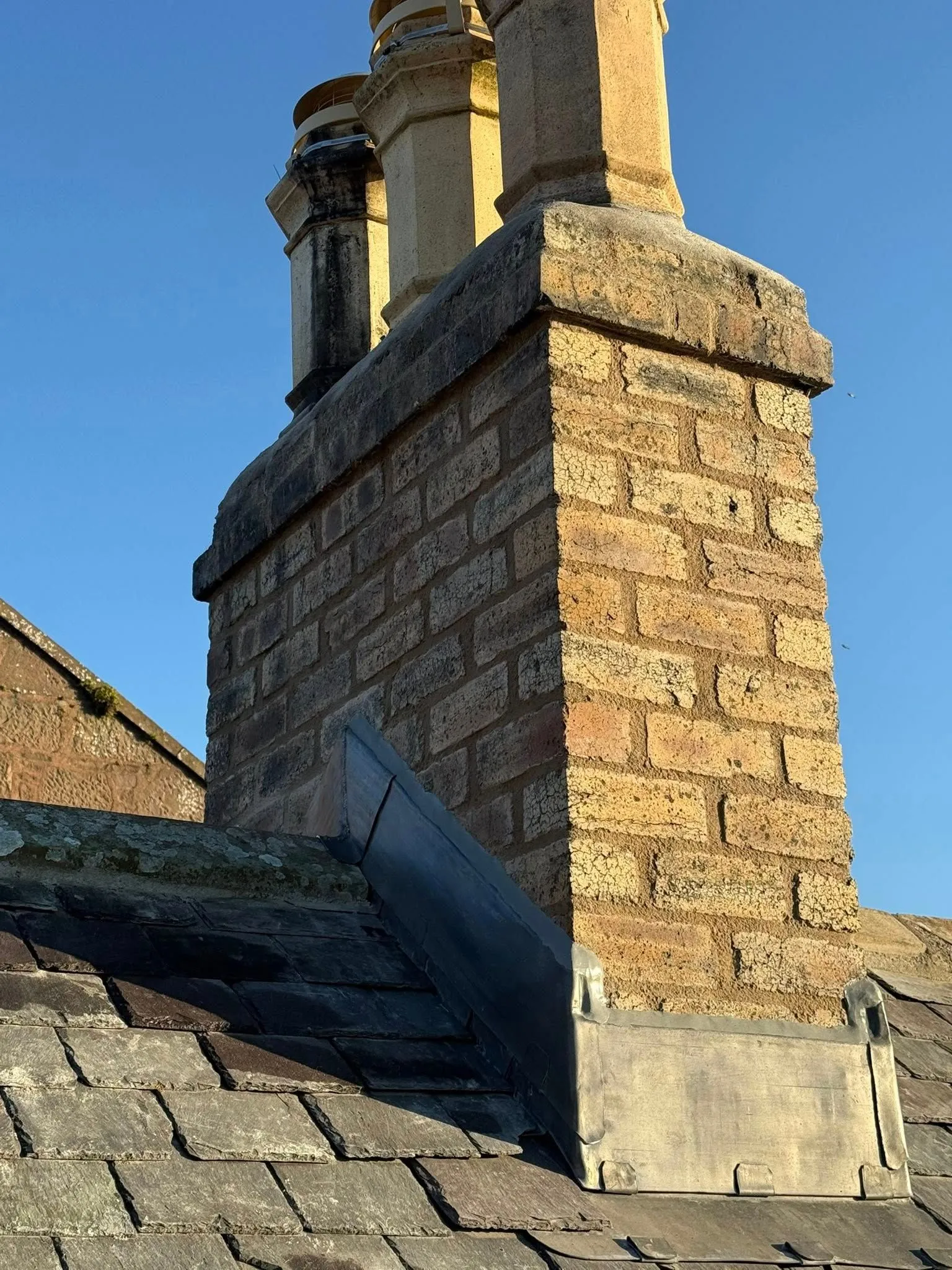
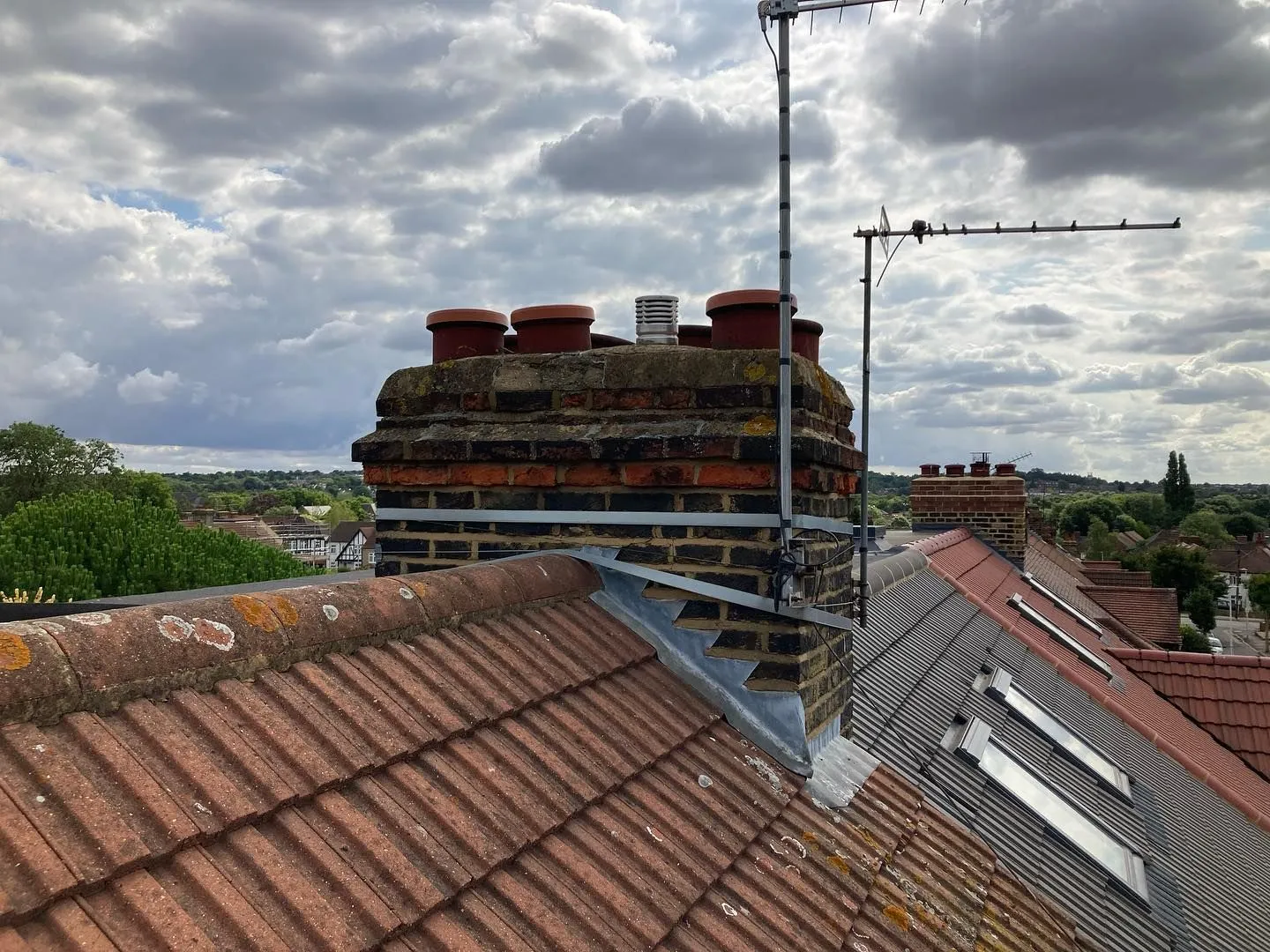
A cracked or open chimney pot in Derby does more than let smoke drift back into the room — it lets rain in, gives birds and jackdaws a way into the flue, and speeds up the kind of mortar damage that turns a small job into a bigger repair bill. Fitting the right cowl or bird guard stops that happening, whether the stack serves an open fire, a wood burner, or sits capped above a chimney breast that’s no longer in use.
We check the pot and flaunching before recommending anything, match the product to the fuel type and where the stack sits on the roof, and fit it on the same visit in most single-stack cases. Where the stack needs attention too, we can combine the job with chimney repointing or flaunching repair, and if you’re not sure what state your roof is in first, a free drone roof survey gives you a clear look before anyone climbs a ladder.
- IPAF and PASMA certified engineers for safe access on taller stacks and awkward roof lines
- Free no-obligation quote and free drone roof survey before any work begins
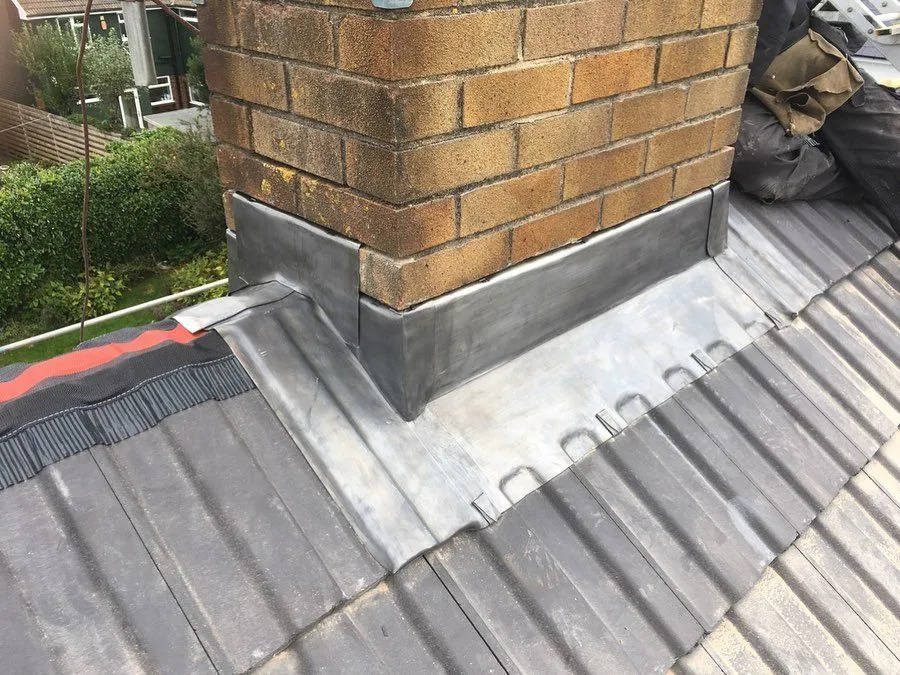
- Cowl and bird guard fitting combined with repointing, flaunching, or lead flashing on the same visit where needed
Your Chimney Pot Needs a Cowl Before Bird Nesting Season Hits
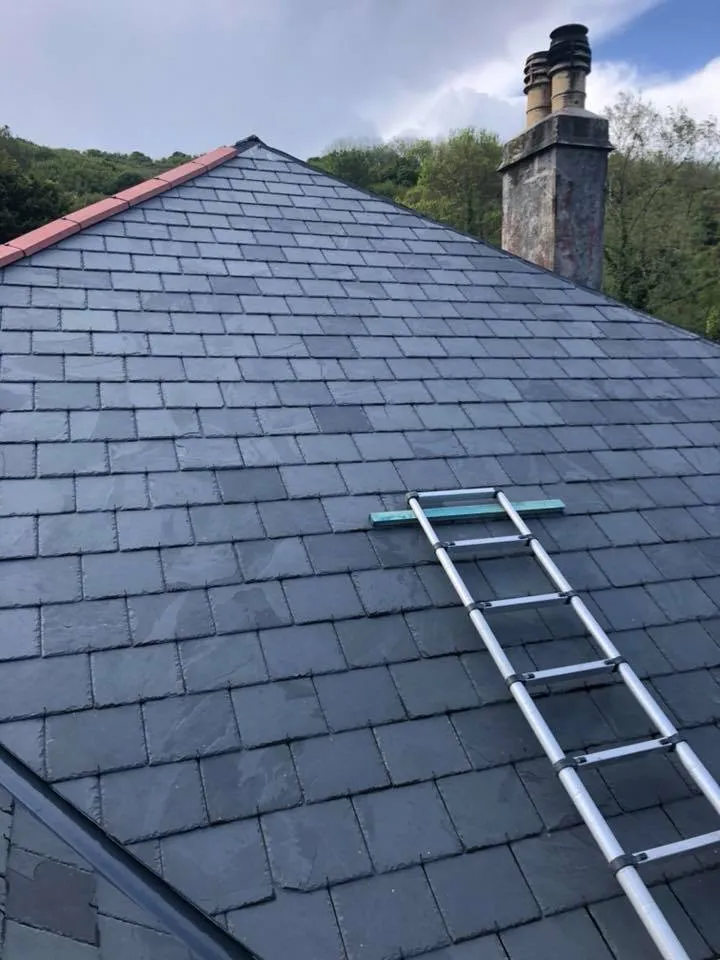
If you have an open chimney pot in Derby, the time to act is before March. Jackdaws and starlings begin scouting nesting sites early in the year. Once birds are nesting inside a flue, the nest becomes a legal matter — disturbing an active nest mid-season is restricted under the Wildlife and Countryside Act 1981. You cannot have it cleared until the birds have fledged and left.
Homeowners in Normanton and Pear Tree contact us regularly once nesting season is already underway. At that point, options are limited until the season ends. A cowl or bird guard fitted before spring closes that window entirely — it takes less than an hour on most single-stack properties.
- Nesting season in Derbyshire typically runs February to August
- Jackdaws are the most common offender on Derby terraces
- Starlings and squirrels are also known to use open chimney pots
- A fitted cowl removes the problem without disturbing wildlife
A Roofer Fits Your Chimney Cowl Safely — and Correctly the First Time
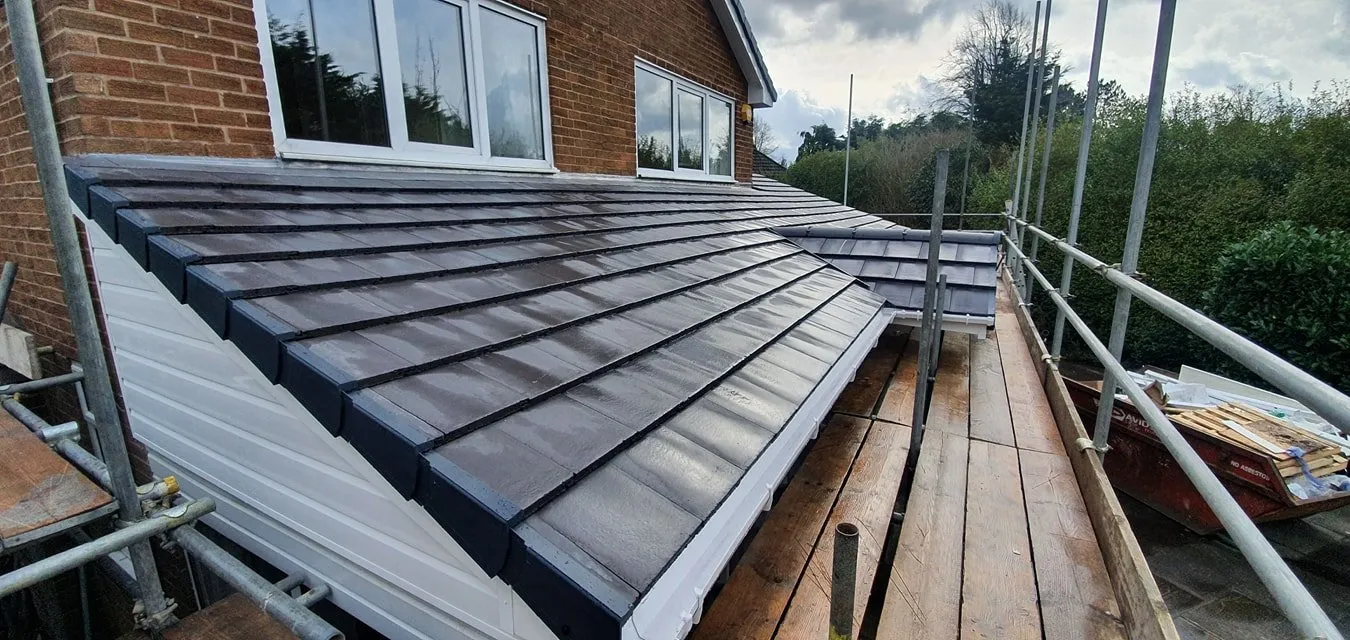
Fitting a chimney cowl means going onto the roof. That requires proper roof ladder equipment, safe working practice, and knowledge of what you’re fixing the cowl to. It is not a DIY job — and sizing matters as much as fitting.
A cowl that is the wrong size for your flue can restrict airflow or sit loose on the pot. In the worst cases, a poorly fitted cowl on an active chimney can cause carbon monoxide to build up inside the property. Our roofers size every cowl correctly before fixing it, and check the pot condition first. If the pot is cracked or the flaunching is failing, we flag it before the cowl goes on.
Any cowl fitted to a chimney pot must also be compatible with the fuel type and appliance in use — a bird guard designed for a disused chimney must never be fitted to a working fire or stove, since the mesh size and airflow are different. We select the correct product for your setup every time, and this job sits naturally alongside chimney repointing, lead flashing, and stack inspection as part of our wider chimney services in Derby.
Choosing the Right Cowl Type for Derby’s Terrace and Semi-Detached Homes
Not all cowls work the same way. The right choice depends on whether your chimney is active or disused, what fuel you burn, and where the stack sits on the roof.
Active Chimneys — Open Fires, Log Burners & Multi-Fuel Stoves
Active chimneys need a cowl that allows proper airflow without restricting draw. Derby sits in a valley between the Pennine fringe and the Trent basin, which means wind direction shifts — particularly on corner plots and end-of-terrace properties in Mickleover and Littleover. A rotating or anti-downdraught cowl suits these exposed positions well, turning with the wind to stop smoke backing down into the room. If your fire smokes back, an anti-downdraught cowl is often the fix — but not always; other causes include a chimney that’s too short, poor room ventilation, or a blockage. We check the full picture before recommending a cowl.
Disused or Sealed Chimneys
Disused chimneys need a different approach. A pot cap seals the pot completely. A ventilation cowl seals against rain and birds but allows a small amount of airflow, which prevents damp building up inside the flue. Getting this wrong — using a fully sealed cap where airflow is still needed — can cause condensation and damp inside the chimney breast. We advise on which type is right based on whether the chimney breast is still open inside the property.
Solid Fuel, Smokeless Fuel & Wood Burners
Solid fuel and smokeless fuel users need stainless steel cowls — not aluminium or galvanised steel. The higher flue temperatures and corrosive by-products of solid fuel burn through standard materials faster. We stock and fit the correct grade for your setup.
| The Problem | The Fix |
|---|---|
| Smoke blowing back into the room | Anti-downdraught or rotating cowl |
| Birds nesting in an active chimney | Stainless steel bird guard with rain cap |
| Rain ingress on an unused chimney | Vented pot cap or ventilation cowl |
| Solid fuel, log burner, or multi-fuel stove | Stainless steel cowl or bird guard |
| Exposed corner plot or end-of-terrace home | Rotating or spinning cowl |
Not sure which applies to your property? Call us on 01332-529704 and we will advise you before you book.
How a Chimney Cowl or Bird Guard Visit Runs, Start to Finish
Fitting a cowl or bird guard is a short, structured visit. Here is what happens on your Derby property from first call to sign-off.
- Call or enquire: You get in touch and describe what’s happening — smoke backing up, scratching in the chimney breast, or a pot you know is sitting open. We ask about the fuel type and roof access so we turn up with the right stock rather than guessing on site.
- Stack and pot inspection: On site, we check the pot condition, flaunching, and flue before recommending anything. If the pot is cracked or the mortar is failing, we flag it before a cowl goes anywhere near it.
- Cowl or guard selection: We match the product to what’s actually on your roof — anti-downdraught or rotating for exposed and active chimneys, stainless steel for solid fuel and wood burners, vented pot caps or ventilation cowls for disused stacks.
- Fitting on the roof: Using roof ladders and safe working practice as standard — or a mobile tower or powered access platform on taller or harder-to-reach stacks, handled by our IPAF and PASMA certified team — we clear the pot of debris and fix the cowl or guard securely.
- Same-visit extras: If repointing, flaunching repair, or lead flashing work is needed while we’re up there, we usually price and carry it out in the same call-out instead of booking a second visit.
- Sign-off: A single-stack job is normally finished in under two hours, with no follow-up needed unless you’ve asked us to combine it with other chimney work.
Most single-stack visits finish in under two hours. Multiple pots, tall stacks, or access difficulties may need a half-day — we’ll advise on this when you contact us for a quote.
Bird Guards Stop Jackdaws and Starlings Blocking Your Flue
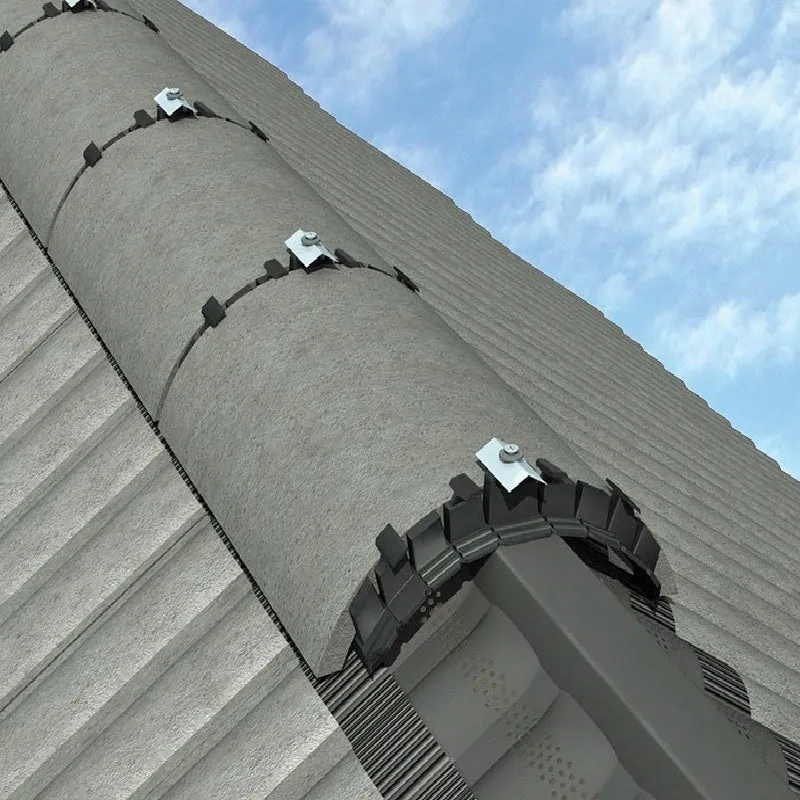
A bird guard is a mesh cage fixed to the top of the chimney pot. It lets air and smoke pass through freely but physically blocks birds from entering the flue. It is the most direct solution for properties where nesting is the main problem.
We see the heaviest demand for bird guards in Chaddesden and Spondon, where older housing stock has wide-mouthed terracotta pots that jackdaws find easy to access. If you’ve heard scratching from the chimney breast, seen twigs or feathers near the hearth, or noticed a reduction in draw, there’s a good chance birds have already been using the flue. Birds nesting in a live chimney also create a carbon monoxide hazard — a nest acts as a partial blockage that forces combustion gases back down into the property.
Before fitting any guard, we clear the pot of existing debris. If a nest is present during the nesting season, we will advise you on your options under the Wildlife and Countryside Act — fitting a guard over a live nest is not permitted. Once the pot is clear and the guard is fixed, the job is done, with no follow-up required.
- Standard mesh bird guards — suited to most gas and open fire chimneys
- Stainless steel bird guards with rain cap — for solid fuel and exposed pots
- Square and round options — matched to your pot shape and dimensions
- Vented pot caps — for fully disused chimneys that need sealing and ventilation
A Well-Fitted Cowl Can Last 20 Years with No Maintenance
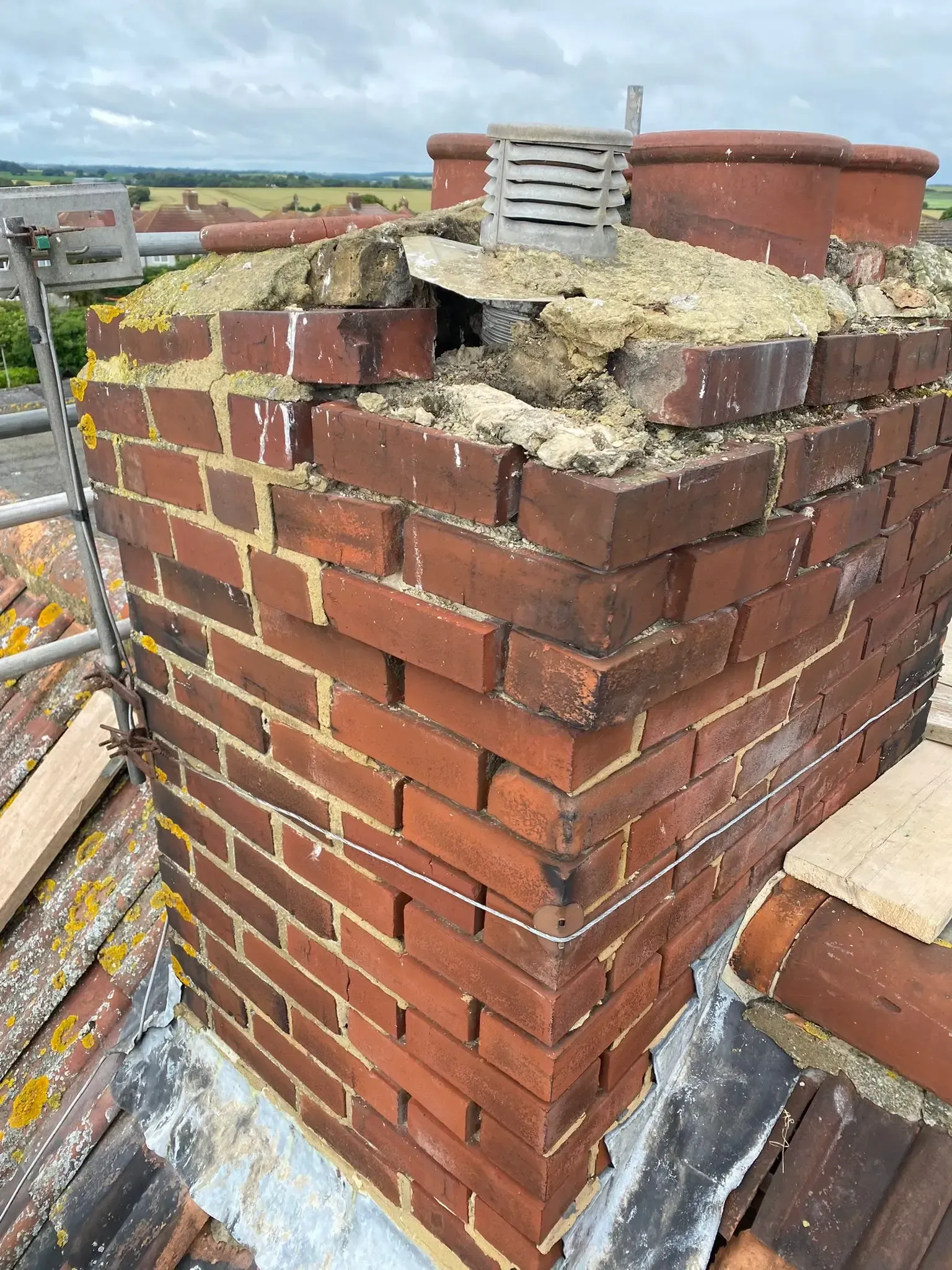
A stainless steel or heavy-gauge aluminium cowl fitted correctly to a sound pot needs no ongoing attention. Derby winters bring freeze-thaw cycles that crack unprotected flaunching and pot rims over time. A cowl reduces the amount of water that gets into the pot and down into the mortar below it, protecting the stack, the flashing, and the internal chimney breast from water damage.
Homeowners in Allestree and Breadsall often ask us whether a cowl needs annual checking. In most cases it does not. The exception is if the chimney is in active use — then we recommend a chimney sweep and stack check every year regardless of whether a cowl is fitted. This is good practice for fire safety as well as maintaining any home insurance cover linked to your heating appliance.
- Rain ingress and resulting damp on chimney breasts and internal walls
- Freeze-thaw cracking of flaunching and pot mortar
- Bird and squirrel nesting blockages
- Downdraught causing smoke and odour in the room
- Debris and leaf accumulation inside the flue
Your Home Insurance Likely Won’t Cover Bird Damage — Act First
UK home insurance covers sudden and accidental damage, not gradual damage caused by neglect or lack of maintenance. A nest-blocked flue, a rain-damaged chimney liner, or damp caused by years of water ingress through an open pot will not typically be paid out under a standard Derbyshire home insurance policy.
The cost of relining a damaged flue or replacing a crumbling internal breast is significantly higher than the cost of a cowl fitted today. We’ve attended properties in Derby where years of uncapped chimney exposure has led to damp on internal walls and damaged chimney breasts — all of it traceable back to an open pot. If you are selling your home, an uncapped chimney or visible bird damage to the flue can also be flagged in a surveyor’s report, causing delays or price reductions at the point of sale.
If chimney damage has been caused by an insured event — a storm bringing the stack down, for instance — that is a different matter and worth discussing with your insurer. Our chimney repair work includes full documentation of the work carried out, which supports any claim you make.
What’s Included When We Fit a Cowl or Bird Guard in Derby
- Inspection of the chimney stack, pot condition, and flaunching before any cowl or guard is fitted
- Sizing and selection advice matched to your flue, fuel type, and where the stack sits on the roof
- Supply and fitting of the cowl or bird guard, completed on the same visit in most single-stack cases
- Clearing existing debris, twigs, or old nesting material from the pot before a guard goes on
- Choosing between stainless steel, aluminium, or galvanised products to suit solid fuel, gas, or open fire appliances
- Combining the fitting with chimney repointing, flaunching repair, or a full stack inspection on the same call-out where the pot or mortar needs attention
Not Included / Costed Separately
- Removal of an active bird’s nest during the February to August nesting season — restricted under the Wildlife and Countryside Act 1981 until the birds have fledged and left
- Annual chimney sweeping, which we recommend as a separate, ongoing service for any chimney in active use, cowl or no cowl
- Full flue relining or chimney breast repair — a separate job priced once the stack has been inspected
- Planning permission checks for listed buildings or conservation areas such as parts of Darley Abbey or the Friargate corridor — this sits with the homeowner and Derby City Council, though we flag it if we spot it
- Scaffolding or additional access equipment for stacks a roof ladder can’t reach safely — priced according to what the property actually needs
What Changes the Price of a Cowl or Bird Guard Fitting
Price mostly comes down to three things: the product itself (a plain pot cap costs less than a rotating anti-downdraught cowl or a stainless steel bird guard with a rain cap), how many pots or stacks need covering, and what access the roof allows. A single stack reachable by roof ladder is priced differently from a terrace roofline or a tall stack that needs a tower or powered access platform to get to safely. Every enquiry gets a free, no-obligation quote, but any figure given over the phone is a starting point — a firm price needs a site visit, or at minimum a look at your roof through our drone survey, so you’re being quoted for the stack that’s actually on your house.
Getting the Timing Right on Derby’s Nesting Chimneys
Fitting a bird guard isn’t just a case of turning up and clamping mesh over the pot. Jackdaws and starlings nest in Derby chimneys every spring, and a guard fitted over an occupied pot at the wrong time of year can trap birds inside the flue or fall foul of the Wildlife and Countryside Act 1981. We check every stack for signs of nesting before recommending anything, and if birds are already settled in between roughly February and August, we say so and hold off rather than fitting a guard that shouldn’t go on yet.
Some Derby stacks were never going to be a straightforward roof ladder job — a tall detached roof in Allestree, or one of the narrow shared stacks around Pear Tree and Normanton carrying three or four pots on one narrow ridge. For those, our crew already holds IPAF tickets for powered access platforms and PASMA tickets for mobile towers, so getting up there safely doesn’t mean waiting on a second contractor before the cowl or guard can go on.
Where the pot, flaunching, or lead flashing around the stack needs attention too, we price and carry that out on the same call-out rather than booking a second visit — whether that’s a repointing job, a flaunching repair, or new lead flashing around the base of the stack.
Where We Fit Cowls and Bird Guards Around Derby
Derby Roofers proudly serves homeowners and businesses throughout Derby city and the wider Derbyshire area. Most of our cowl and bird guard work is in Derby itself — Allestree, Oakwood, and Chaddesden to the north and east, Chellaston, Sinfin, and Alvaston to the south, and Mickleover and Littleover on the west side of the city, along with terraces and semis around Normanton, Pear Tree, and the Friargate corridor. We also cover Darley Abbey and the Derwent Valley villages, plus Duffield and Belper a little further north, and Long Eaton and Sandiacre out towards the Nottinghamshire border. Not sure if we cover your area? Call us on 01332-529704 and we’ll be happy to help.
- Derby City Centre (DE1)
- Allestree, Mackworth & Quarndon (DE22)
- Mickleover (DE3)
- Littleover & Normanton (DE23)
- Chaddesden, Oakwood & Spondon (DE21)
- Alvaston, Crewton & Osmaston (DE24)
- Belper (DE56)
- Ripley (DE5)
- Ilkeston (DE7)
- Heanor (DE75)
- Swadlincote (DE11)
- Ashbourne (DE6)
- Matlock (DE4)
- Borrowash & Draycott (DE72)
- Etwall & Hilton (DE65)
- Melbourne & Chellaston (DE73)
- Duffield & Little Eaton (DE56/DE21)
- Breadsall & Darley Abbey (DE21/DE22)
- Long Eaton (NG10)
- Castle Donington (DE74)
Frequently Asked Questions About Chimney Cowl & Bird Guard Fitting in Derby
How much does it cost to have a chimney cowl fitted in Derby?
The cost of chimney cowl fitting in Derby depends on the type of cowl selected, the number of pots, and access requirements. Most single-stack cowl or bird guard fittings are straightforward visits. We provide a free no-obligation quote before any work begins. Call us on 01332-529704 to get a quote for your property.
Do roofers fit chimney cowls?
Yes — roofers are well suited to this job. Fitting a cowl requires safe roof access, correct sizing for the pot and flue, and knowledge of the chimney structure. We handle cowl and bird guard fitting as part of our broader chimney services in Derby, and we often combine it with repointing, flaunching repair, or lead flashing work on the same visit.
How do I know if I need a cowl or a bird guard?
A cowl deals with airflow problems — smoke backing down into the room on windy days, or damp building up in a disused flue. A bird guard is about keeping birds and nesting material out of the pot. Plenty of chimneys end up with a product that does both, such as a stainless steel bird guard with a rain cap, or an anti-downdraught cowl fitted with mesh built in. We check the stack and the fuel type before recommending either.
How do you stop birds nesting in chimney pots in Derby?
A correctly fitted bird guard is the most reliable way to stop birds nesting in your chimney. The guard is fixed securely to the top of the pot with a mesh that blocks entry but allows smoke and air to pass through. We remove any existing debris before fitting. If an active nest is present during the nesting season (February to August), we advise on your legal options under the Wildlife and Countryside Act before proceeding.
Can you remove a bird’s nest before fitting a guard?
Only outside the nesting season. Active nests are protected under the Wildlife and Countryside Act 1981 between roughly February and August, so if birds are already nesting in the pot, the guard has to wait until they’ve fledged and left. Outside that window, we clear old nesting material and debris as part of the fitting.
What’s the difference between stainless steel and aluminium cowls?
Stainless steel copes better with the heat and corrosive by-products from solid fuel, smokeless fuel, or wood burners, so we use it on any active fire that burns anything other than gas. Aluminium is a lighter, cheaper option that works fine on gas appliances and open fires where the flue temperatures and by-products are less demanding.
How long should a chimney cowl last?
A stainless steel cowl fitted to a sound chimney pot should last 20 years or more with no maintenance. Aluminium cowls in sheltered positions also have a long service life. Cheaper galvanised steel cowls may show corrosion sooner, particularly in exposed positions. We fit quality materials and advise on the right grade for your stack and location.
How long does chimney cowl fitting take in Derby?
A single-stack visit takes under two hours in most cases. Properties with multiple pots, tall stacks, or access difficulties may need a half-day. We will advise on this when you contact us for a quote.
Do you need scaffolding to fit a cowl?
Not usually. Roof ladders cover most single-stack jobs. For taller stacks or roof lines a ladder can’t reach safely, we bring in a mobile access tower or powered access platform ourselves, since our team holds PASMA and IPAF certification for that equipment.
Can cowl fitting be combined with repointing or flaunching repair?
In most cases, yes. If the mortar or flaunching needs attention while we’re already up at the stack, we price and carry out that work in the same call-out instead of booking a second visit for a separate trade to look at the same pot.
Do I need planning permission to fit a chimney cowl in Derby?
Planning permission is not required for most standard cowl fittings. Properties within Derby’s conservation areas — such as parts of Darley Abbey and the Friargate corridor — may require a check with Derby City Council before any visible external changes to the chimney. If you are unsure, we can advise when we visit.
Do I still need my chimney swept if I’ve had a cowl fitted?
Yes. A cowl or bird guard doesn’t replace sweeping — it stops rain, downdraughts, and birds getting into the flue, but soot and creosote still build up with use. We recommend annual sweeping as a separate, ongoing service for any chimney in active use.
Is bird or chimney damage covered by home insurance in the UK?
Home insurance typically covers sudden and accidental damage — such as storm damage to a chimney stack — but does not cover gradual wear, bird damage, or damp caused by a lack of maintenance. If you have damage caused by a specific insured event, contact your insurer. We provide full documentation of all work carried out, which can support a claim.
Get a Free Quote Before the Next Wet Spell
An open or damaged chimney pot doesn’t get better on its own — rain and birds keep finding their way in, and the mortar around the pot keeps deteriorating the longer it’s left.
Derby Roofers has over 20 years of experience in chimney services throughout Derbyshire. We respond quickly, give straight answers, and only recommend work that actually needs doing — and every cowl or bird guard we fit is matched to your flue and fuel type, not a one-size-fits-all product.
- ✅ Free no-obligation quote and free drone roof survey
- ✅ IPAF & PASMA-certified engineers for safe roof access
- ✅ Fitted same-visit in most single-stack cases
- ✅ Combined with repointing or flaunching repair on request
Get in touch for a free quote, or ask about a drone roof survey first if you’re not sure what state your chimney is in.