Derby Architecture: A Guide to the City's Buildings & What They Mean for Your Roof
Call: 01332-529704
From Georgian townhouses on Friar Gate to Victorian mills and modern city-centre buildings — Derby’s architecture spans three centuries, and every era on this list needs a different approach to its roof.
- IPAF & PASMA-Certified Team
- Free, No-Obligation Site Visit
- Period & Modern Roofing Experience
- 20+ Years Working Across Derby
A City Built in Layers: Derby’s Architectural Story
Derby grew from a market town on the River Derwent into one of England’s great industrial centres, and its buildings tell that story in order. Georgian merchants’ houses sit close to Victorian railway architecture, which sits close to 20th and 21st-century additions in the city centre — each generation building on top of, rather than replacing, what came before.
The result is a city that rewards a slow walk more than a quick drive-through: narrow Georgian frontages on Friar Gate, red-brick mill buildings from the height of the Industrial Revolution, church towers that have stood since before the Georgians arrived, and a scattering of striking modern buildings around the city centre and Pride Park.
- Derby was granted city status in 1977, but its oldest surviving buildings go back centuries earlier
- The Derwent Valley Mills, running through Derby, is a UNESCO World Heritage Site recognising the area’s role in the birth of the factory system
- We work across all of it — from period slate roofs in the conservation areas to flat roofs on modern extensions
Georgian Derby: Friar Gate and the City’s Merchant Houses
Friar Gate is the clearest surviving example of Georgian Derby — a long, largely intact run of 18th-century townhouses built by the merchants and professionals who prospered as the city grew. The street is a conservation area today, and much of it sits under an Article 4 direction, which removes some of the automatic permitted-development rights property owners would otherwise have.
The architect most closely associated with Georgian Derby is Joseph Pickford, who designed his own home on Friar Gate in the 1770s. It survives as Pickford’s House Museum and remains one of the best places in the city to see how a well-to-do Georgian household actually lived, room by room.
Georgian roofs in Derby were typically slated, often behind a parapet wall that hides the roofline from the street — a detail that means valleys, box gutters and lead flashings do a lot of unseen work keeping these buildings dry. It's a different set of problems to a modern pitched roof, and it's why period roofing on Friar Gate is usually its own specialist job rather than a standard re-roof.
Victorian & Industrial Derby: Mills, Railways and Red-Brick Terraces
Derby's most significant contribution to architectural history predates the Victorian era, but it's Victorian expansion that gave the city most of the fabric it still stands on. The Derby Silk Mill, built on the Derwent in the early 1720s, is widely credited as one of the earliest factories anywhere in the world, and it's the anchor point for the Derwent Valley Mills UNESCO World Heritage Site that runs along the river through the city.
The 19th century brought the railway. Derby became a major hub for the Midland Railway, and the roundhouse built for it at what's now Pride Park was one of the first railway roundhouses of its kind. Around the same works and lines grew the red-brick terraced streets that still make up large parts of Normanton, Peartree, and Chaddesden.
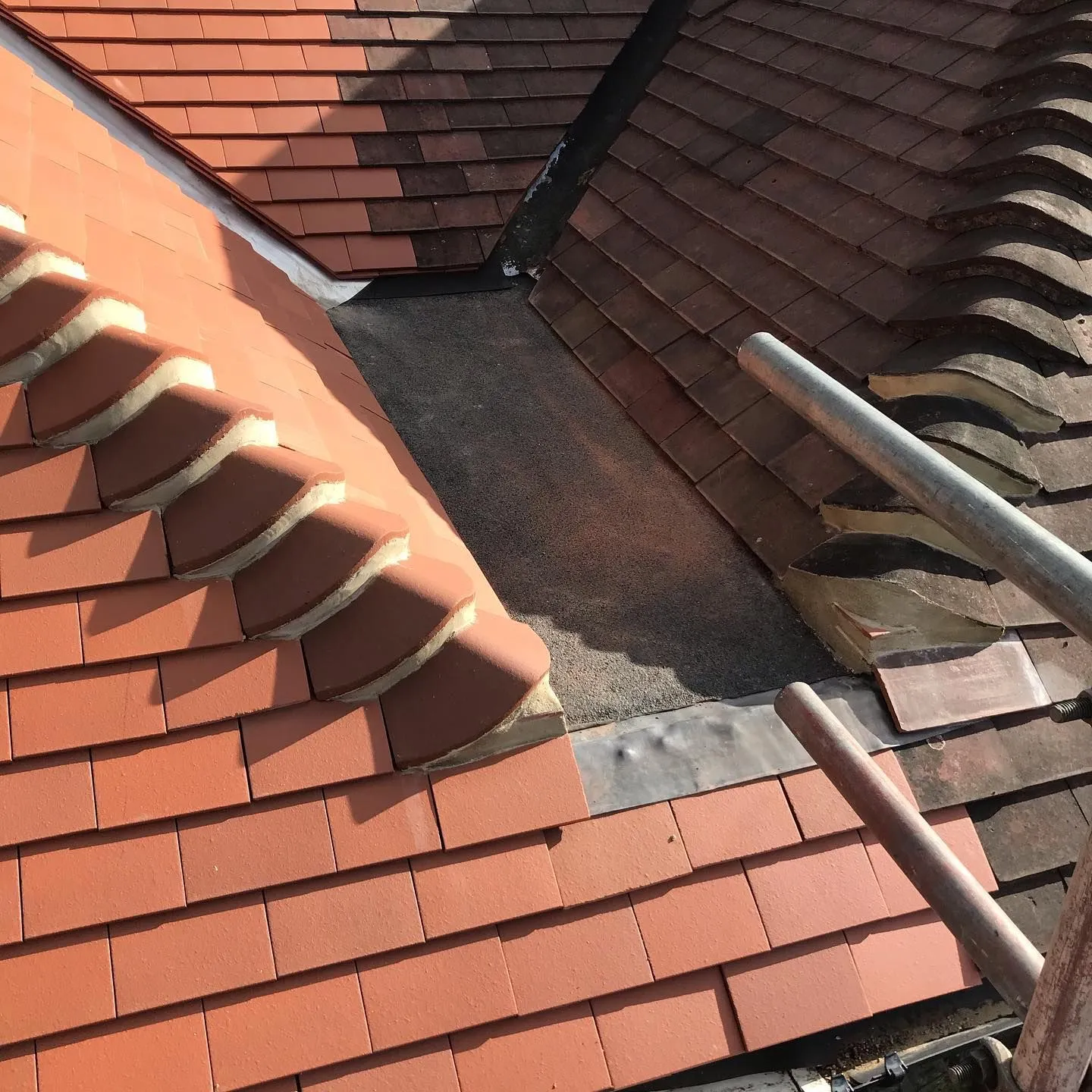
Those terraces were mostly roofed in slate or clay tile, often with decorative ridge tiles and shared party walls between neighbouring houses — which is why re-roofing a Victorian terrace is usually a house-by-house job with its own sequencing, even when several neighbours need the work at the same time.
A Quick Tour Through Derby’s Building Eras
Walk from Friar Gate to Pride Park and you cross roughly three hundred years of building styles. Here’s the short version.
- Medieval & early foundations: The oldest church towers in Derby predate the Georgian era by centuries, though most of what stands today around them was rebuilt or extended later.
- Georgian (1700s–early 1800s): Friar Gate’s townhouses, built by merchants and professionals during a period of steady civic growth.
- Industrial & Victorian (1800s–early 1900s): Silk Mill and Derwent Valley Mills, the Midland Railway works, and the red-brick terraces built to house the workforce.
- Early-to-mid 20th century: Civic buildings like the Council House in the Market Place, and the outward growth of estates in areas such as Mickleover and Chaddesden.
- Modern (2000s–present): City-centre redevelopment, university buildings, and new-build estates in areas like Chellaston, Oakwood, and Allestree.
Each era used different materials and roof pitches for different reasons — availability, cost, and the building techniques of the time — and that's still what determines the right roofing approach for a property today.
Roofing in Derby’s Conservation Areas: What Article 4 Means for Homeowners
Friar Gate isn't the only part of Derby with special planning status, but it's the clearest example of what a conservation area and an Article 4 direction mean in practice for roofing work. Normally, replacing a roof like-for-like doesn't need planning permission. Inside a conservation area, and especially under an Article 4 direction, that automatic right can be removed.
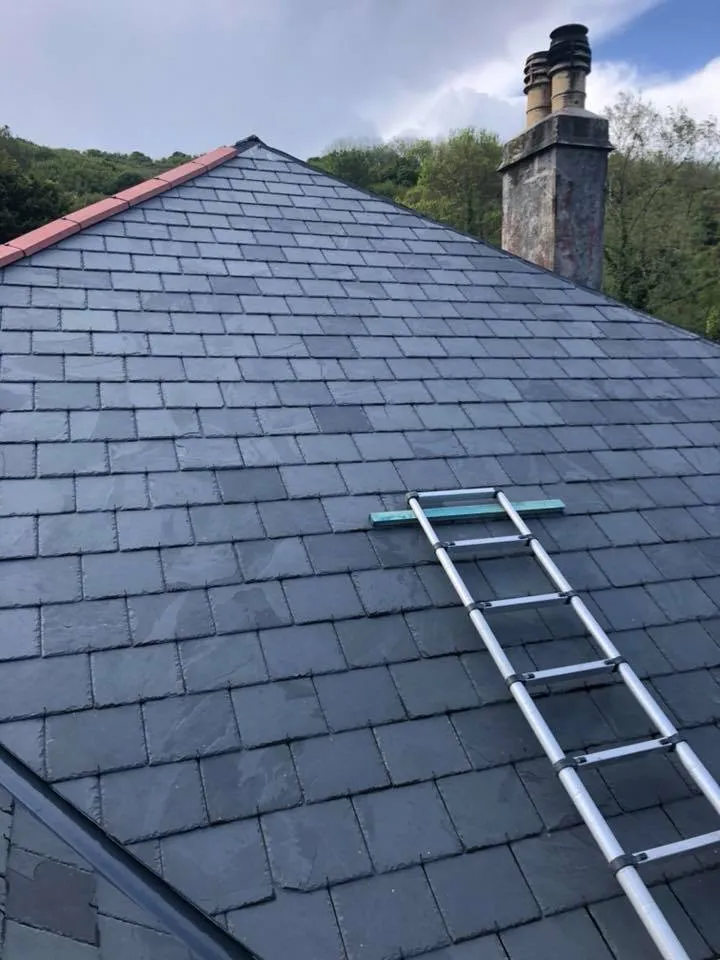
In practice, this usually means a replacement roof needs to match what's already there — the same slate type, the same ridge tile profile, the same flashing detail — rather than whatever's cheapest or quickest to source. It's a different starting point to re-covering a flat roof on a modern extension a mile away.
We're familiar with Derby's conservation area requirements and will flag during a site visit if your property falls under one. What applies to your specific building is ultimately a planning question for Derby City Council, but we can talk through the roofing side of it once you know where you stand.
Why Different Eras of Derby Buildings Need Different Roofing Approaches
A roof that suits a modern estate house in Oakwood is rarely the right answer for a Georgian townhouse on Friar Gate or a Victorian terrace in Normanton — and it isn't just about looks.
Georgian properties were built with steep-pitched slate roofs, often hidden behind parapet walls, meaning valleys, box gutters and lead flashings carry more of the workload than the visible roof covering itself.
Victorian terraces usually have slate or clay tile roofs with decorative ridge detail and shared party walls — access and sequencing matter as much as the materials.
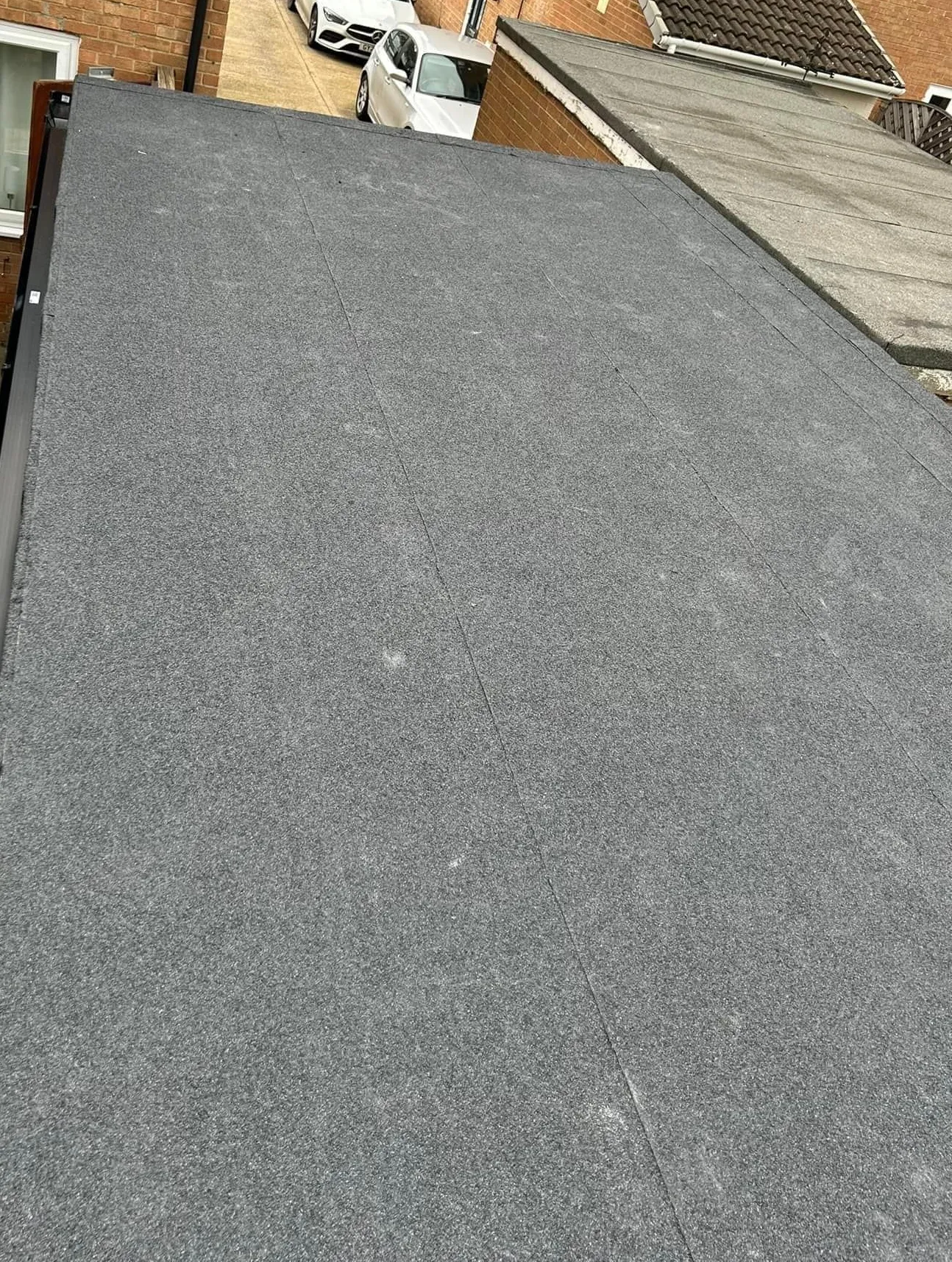
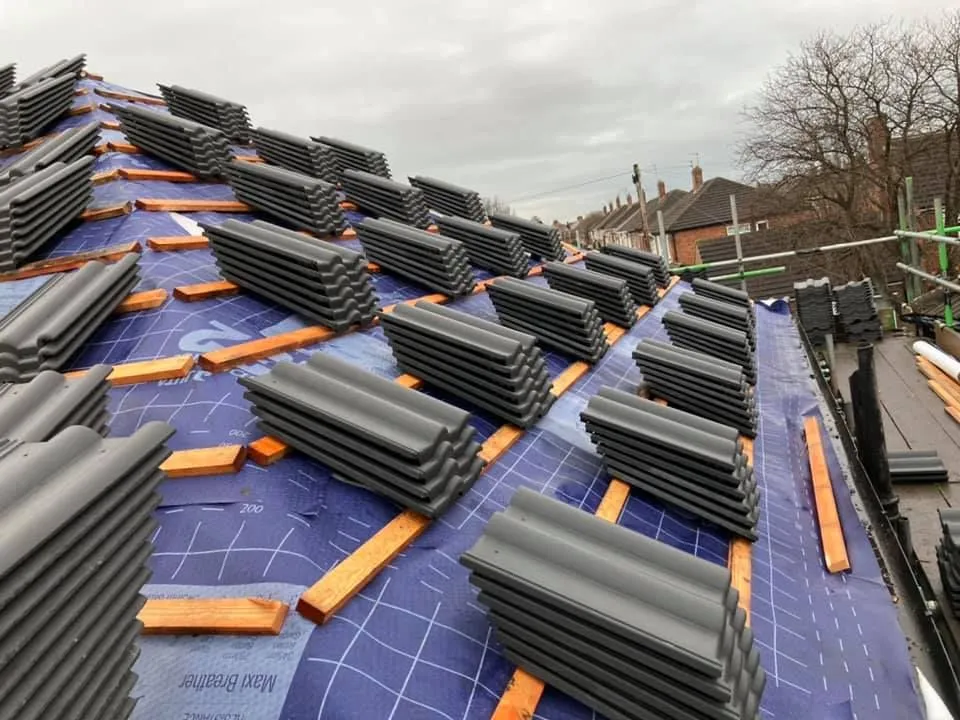
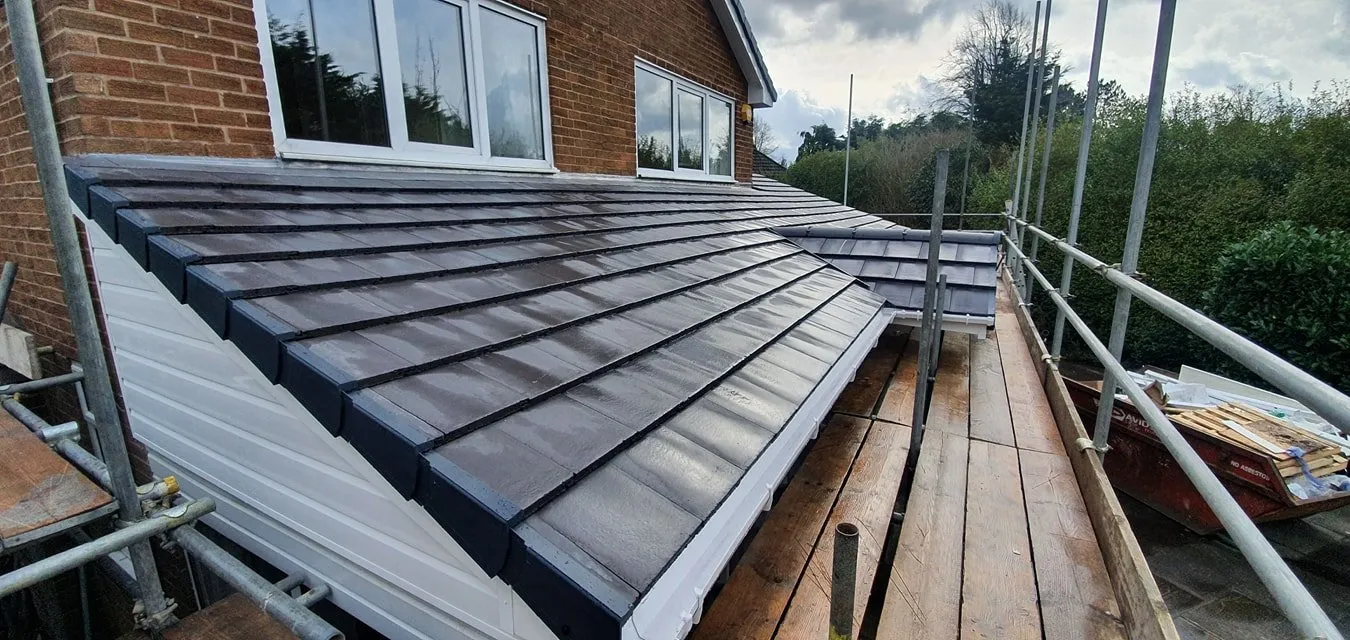
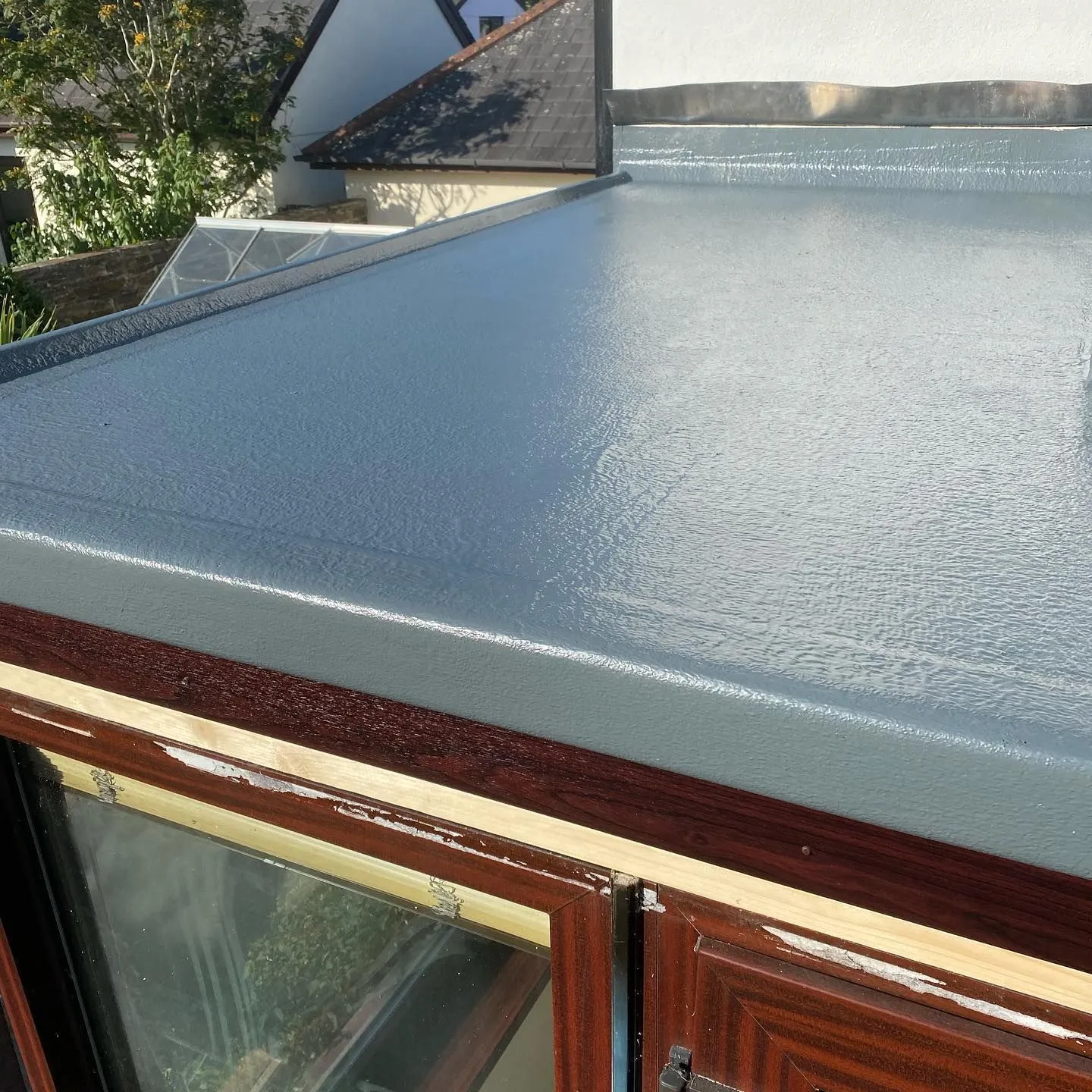
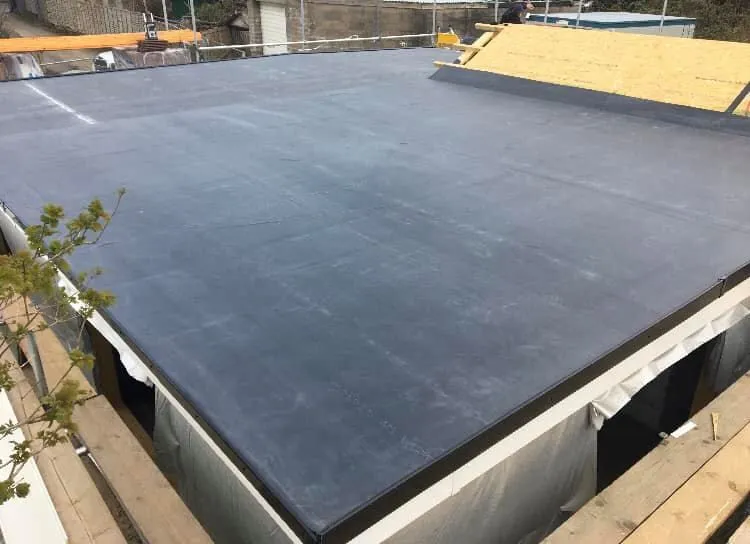
Post-war and modern estates in areas like Mickleover, Chellaston, and Allestree are mostly roofed in concrete tile, which is more cost-effective to replace and rarely carries the same planning restrictions. Modern extensions and commercial units more often use flat roofing — felt, GRP, or single-ply — a different job again, with different materials and a different lifespan to plan around.
Roofing Work Suited to Derby’s Mix of Old and New Buildings
Whichever era your roof belongs to, we've most likely worked on one very like it. Here's what that covers, and what it doesn't.
- Slate and clay tile re-roofing on Georgian and Victorian properties, including terraces around areas like Friar Gate, Normanton, and Peartree
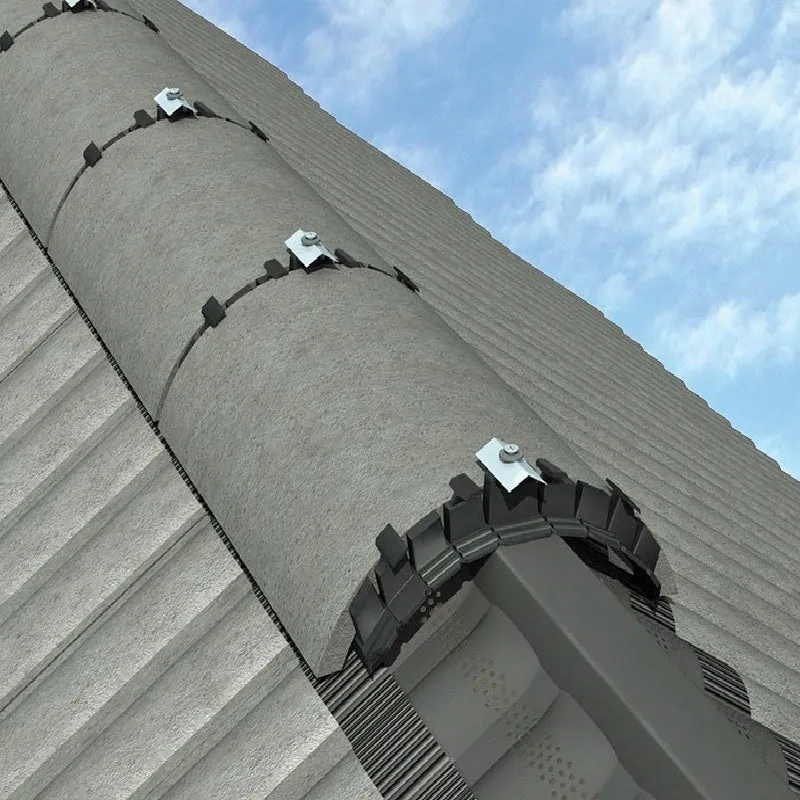
- Dry ridge system installation, replacing mortar-bedded ridge tiles that have cracked or come loose over time
- Lead flashing, valley, and chimney work on older stone and brick buildings where these details do most of the waterproofing
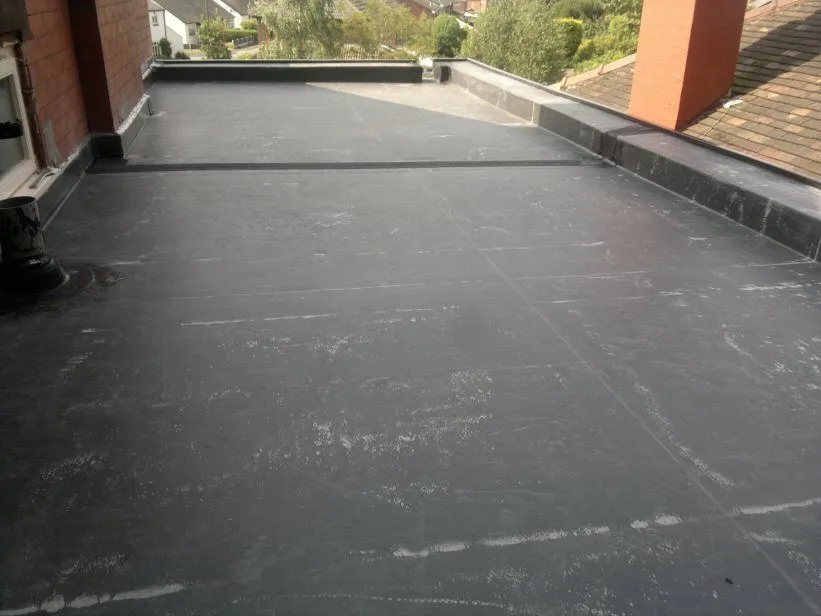
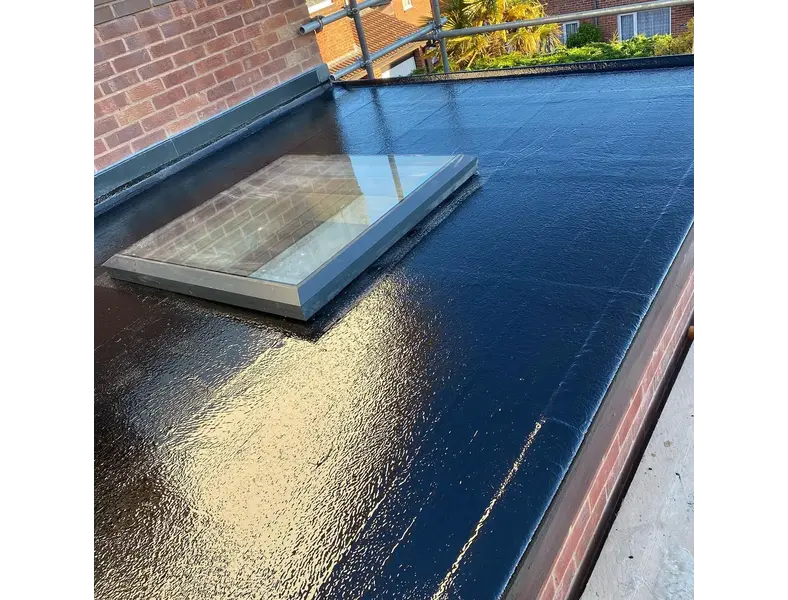
- Flat roofing (felt, GRP, or single-ply) for modern extensions and commercial units
- Roof repairs, ridge and hip tile replacement, and guttering on both period and modern properties
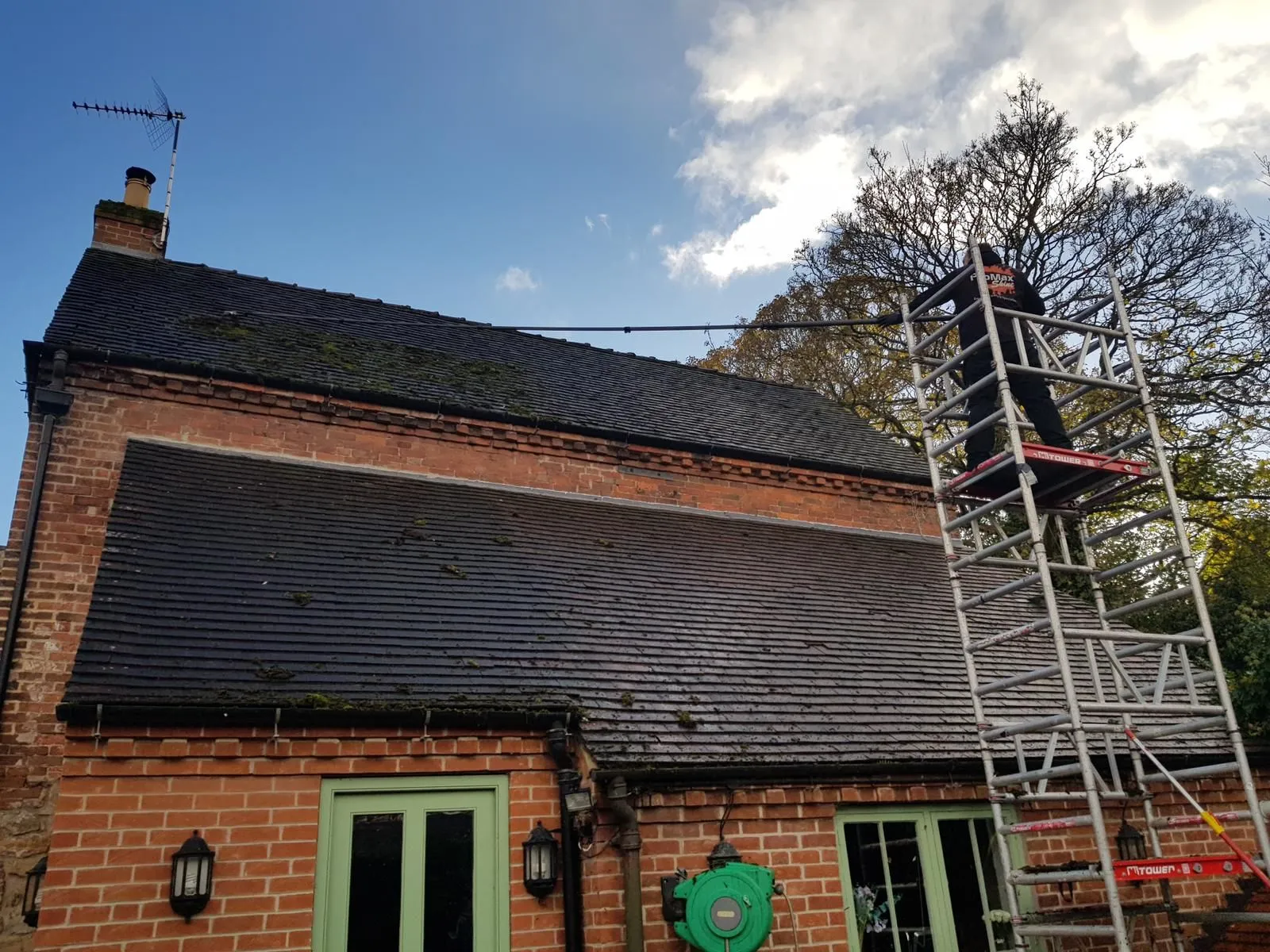
- High-level access using MEWPs or mobile scaffold towers for taller buildings, churches, and multi-storey commercial premises
Not Included / Costed Separately
- Listed building consent applications — that’s a matter between you and Derby City Council, though we can talk through what the roofing side of a job involves
- Stonework and masonry restoration, such as repointing brick facades, which needs a specialist rather than a roofer
- Internal repairs like plastering or redecorating after a leak, unless agreed as part of the job
Roofing That Fits the Building, Not Just the Postcode
A roofer who doesn't know the difference between a Georgian parapet roof and a modern flat roof will quote the wrong job. We've worked across Derby's full mix of building types for over 20 years, and we bring that knowledge to every survey.
We Read the Building First
Before we quote, we look at what era your roof belongs to and what that means for materials and access — not just its size.
IPAF & PASMA-Certified Access
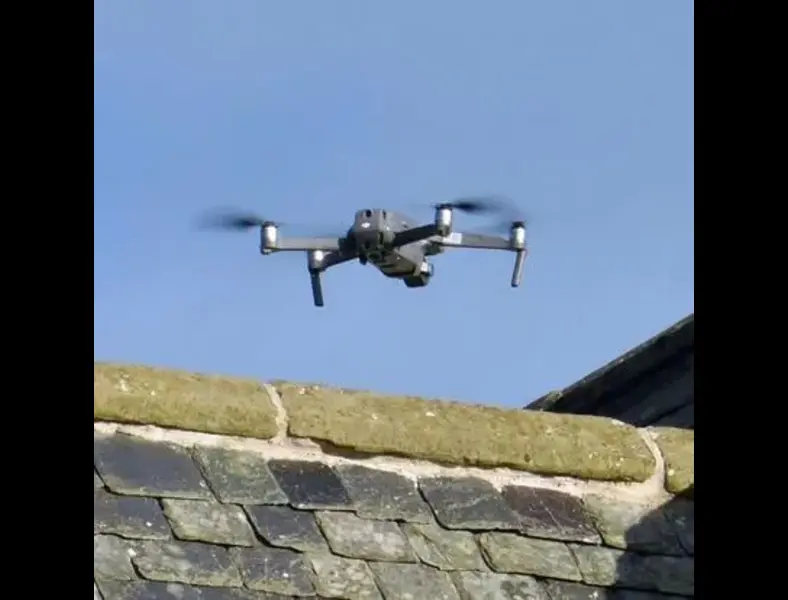
Churches, mills, and multi-storey buildings around Derby need proper access equipment. Our team holds the certifications to operate MEWPs and mobile towers safely.
Free, No-Obligation Site Visit
We'll give you a written quote after seeing the roof in person, with any material options set out clearly.
20+ Years Working Across Derby
From Friar Gate's Georgian terraces to Chellaston's newest estates, we've worked on most of what the city has to offer.
Three Terraces, One Street: Sequencing a Row of Older Roofs
Most of the re-roofs we quote for are on Derby's older housing stock — Victorian and Edwardian terraces around Normanton and Peartree still wearing their original slate, and post-war semis in Chaddesden, Spondon and Oakwood where the concrete tiles fitted decades ago are finally giving up.
One job that sums up the difference: a run of three adjoining terraces on the same Normanton street, each needing a full strip and re-slate. Because the properties shared party walls, we scaffolded all three under one hire period and staged the strip-out street by street, so no single household was left without a weatherproof roof overnight. That kind of sequencing only comes from having done it before on buildings of this type.
Areas We Cover for Period & Modern Roofing in Derbyshire
We carry out roofing work across Derby and the surrounding areas of Derbyshire — from Georgian and Victorian properties around Friar Gate, Normanton, and Peartree to the newer estates of Mickleover, Chellaston and Oakwood. If your property is within reach of our base in Heanor, we can get to you quickly for a survey and quote. Not sure if we cover your area? Call us on 01332-529704 and we will confirm straight away.
- Derby (DE1)
- Long Eaton (NG10)
- Belper (DE56)
- Borrowash (DE72)
- Breadsall (DE21)
- Mickleover (DE3)
- Ashbourne (DE6)
- Ilkeston (DE7)
- Willington (DE65)
- Chesterfield (S40)
- Matlock (DE4)
- Bakewell (DE45)
- Swadlincote (DE11)
- Markeaton (DE22)
- Heanor (DE75)
- Ripley (DE5)
- Alfreton (DE55)
- Burton on Trent (DE13)
- Buxton (SK17)
- Nottingham (NG)
Frequently Asked Questions About Derby's Architecture & Roofing
What makes Derby's architecture distinctive?
It's the mix rather than any single building. Georgian terraces on Friar Gate sit close to the Derwent Valley Mills UNESCO World Heritage Site and the red-brick streets built around Derby's Victorian railway works, with modern city-centre and university buildings layered on top. Few English cities pack that range into such a walkable area.
Is Friar Gate a conservation area?
Yes. Friar Gate carries conservation area status, and much of it sits under an Article 4 direction, which removes some of the automatic permitted-development rights a homeowner would otherwise have — including, in some cases, the right to replace roofing materials without permission.
Do you work on listed buildings in Derby?
Yes. Derby has a number of listed buildings, including churches and older Georgian and Victorian properties, and roofing work on these needs materials and methods that suit the building. Listed building consent itself is a matter between you and Derby City Council, but we can talk through what a job on a listed roof involves.
What is a dry ridge system and would it suit an older roof?
A dry ridge system replaces the traditional mortar bedding under ridge tiles with a mechanically fixed, dry-fitted system, which holds up better over time than mortar that can crack and let water in. It works on most pitched tiled roofs, including many older slate roofs found across Derby, though the right approach for a listed or conservation-area property is best confirmed on site.
Does conservation area status affect what roofing materials I can use?
It can. Areas such as Friar Gate carry conservation area status and, in parts, an Article 4 direction, which generally means replacement roofing needs to match the existing slate, ridge, and flashing detail rather than a cheaper alternative. What applies to a specific property is a planning question for the council, but we can talk through the roofing side once you know where you stand.
Can you access taller buildings like churches or mill roofs?
Yes. Team members hold IPAF certification for powered access and MEWP operation, and PASMA certification for mobile access tower operation, covering the kind of high-level access that churches, mill buildings, and multi-storey premises around Derby need.
Do you do flat roofing as well as pitched period roofs?
Yes. Alongside work on older pitched roofs, we cover flat roofing — felt, GRP, or single-ply — which is more typical of modern extensions and commercial units in newer parts of the city.
What areas around Derby do you cover?
Derby itself, plus the rest of Derbyshire, Nottingham, and Nottinghamshire close by, with jobs also taken on further out across Sheffield, Doncaster, Rotherham, Wakefield, Leeds, York, and Manchester.
Whatever Era Your Roof Belongs To, We Can Quote It Properly
Georgian parapet, Victorian slate terrace, or a modern flat roof — a roof that's wrong for its building type fails faster and costs more to put right.
Derby Roofers has been working across the city's full mix of building types for over 20 years, from Friar Gate's Georgian townhouses to the newest estates in Chellaston and Oakwood. Every quote follows a free, no-obligation site visit.
- ✅ Free, no-obligation site visit and written quote
- ✅ IPAF & PASMA-certified access team
- ✅ Experience across period and modern buildings alike
- ✅ Over 20 years working across Derby and Derbyshire
Get in touch to arrange a site visit and a written quote, with no obligation to book anything in.