
When Does Roofing Work Need Building Regulations Approval? A Derby Homeowner's Guide
Call: 01332-529704
Most re-roofing projects in Derby do require Building Regulations approval — whether that means the work is self-certified by your roofer or notified to the council depends on the size and type of the job. We check your position against the thresholds as part of every free roof survey, before you're quoted.
- Free roof survey checks the 50% and 25% thresholds before any quote is given
- Building Regulations compliance and certification handled as part of the job, not billed as an add-on
- IPAF and PASMA certified team for safe, accurate access to every part of the roof being assessed
Building Regulations vs Planning Permission: What's the Difference?
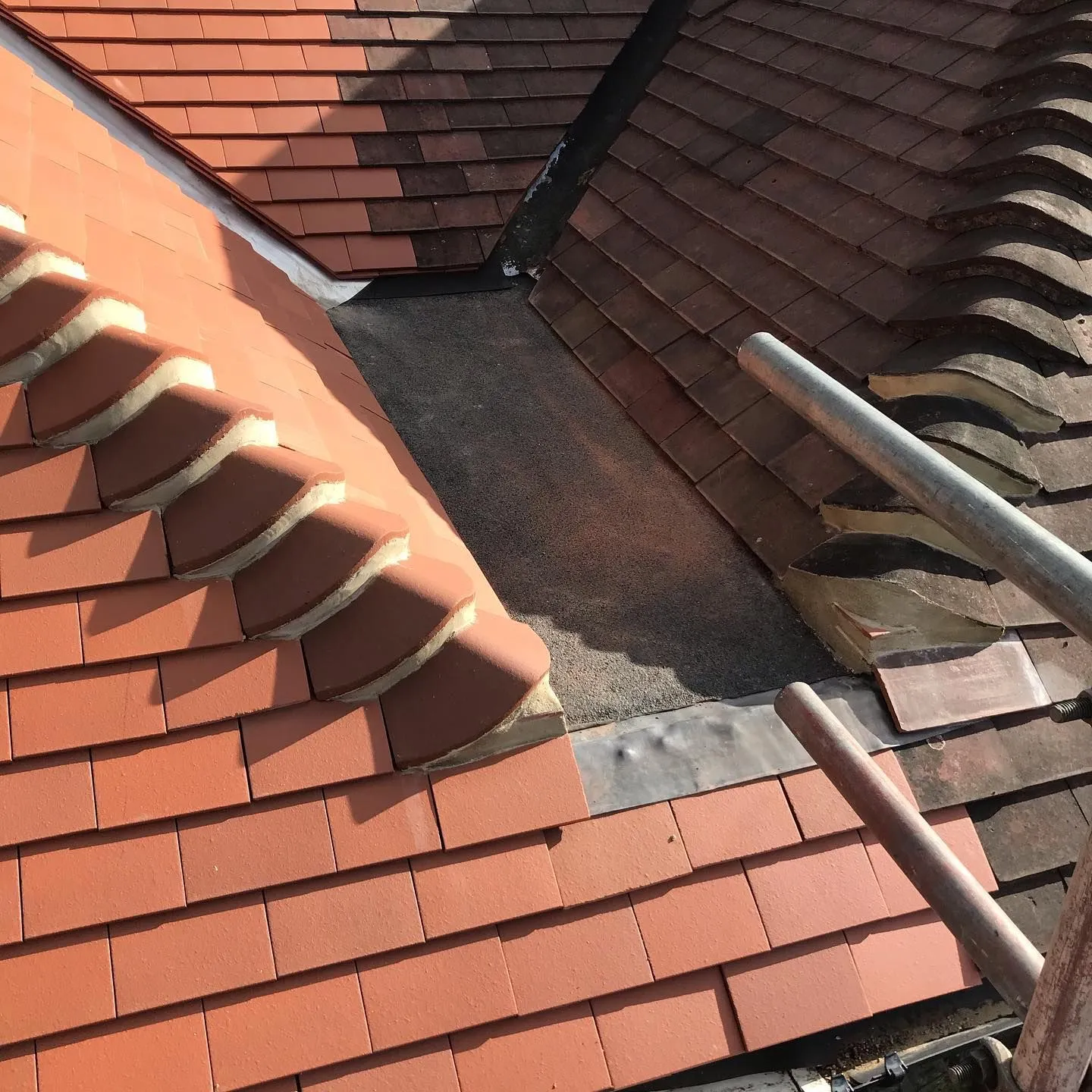
These are two separate systems, and they often get confused. Planning permission is about how your property looks and how changes affect the surrounding area — for most standard re-roofing work in Derby, you do not need planning permission at all, since replacing tiles like-for-like on a standard residential property falls under permitted development rights.
Building Regulations are about how the work is done. They set minimum standards for structure, fire safety, energy efficiency, ventilation, and weather resistance — the technical quality of the work, not the appearance. Most Derby homeowners need Building Regulations approval for re-roofing work. Most do not need planning permission. Confusing the two is one of the most common mistakes we see.
If you're not sure how the two systems apply to your job, call us on 01332-529704. We check both at the survey stage, before you're given a price.
The 50% and 25% Thresholds: When Approval Kicks In
The thresholds that determine whether you need approval are set out in the Building Regulations Approved Document L. You will need Building Regulations approval if:
- More than 50% of the total roof area is being repaired or replaced, OR
- More than 25% of the total building envelope is affected — the envelope includes your walls, windows, doors, and roof combined
Both thresholds must be checked. Either one can trigger the requirement on its own.
If you are replacing all the tiles on a Derby semi-detached, you are almost certainly above the 50% roof threshold. If you are replacing the back slope of a terraced house in Spondon, check whether that work affects more than 25% of the whole building envelope before assuming you are exempt. If you are not sure where your job sits, call us — we check this at the survey stage, and it protects you from problems later.
Other Triggers: Material Changes, Structural Work, and Fire Performance
The thresholds are not the only trigger. You will also need Building Regulations approval if:
- The new roof covering is 15% heavier or lighter than the existing one — replacing natural slate with concrete tiles changes the load on the structure
- You carry out structural work — replacing rafters, joists, purlins, or any load-bearing timber always requires approval
- Fire performance changes — the new covering performs worse than the existing one in the event of a fire
- You are installing rooflights or skylights — cutting new openings is structural work and requires approval
This is particularly relevant for older Derby properties. Many homes in areas like Darley Abbey and Chaddesden still have original natural slate. Switching to concrete tiles — even on a small section — requires a structural check and approval. We assess all of this as part of our free survey, so you know exactly what's needed before we quote.

Flat Roof Repairs and Replacements in Derby
Flat roofs are common across Derby — on house extensions, bay windows, garages, and commercial properties. The rules around Building Regulations for flat roofs are slightly different from pitched roofs. Minor repairs, such as patching a felt roof, are generally exempt if they are small in scale and do not involve replacing the decking underneath.
You will need approval if:
- You are replacing the boards or decking beneath the felt covering — this triggers the thermal element rules
- The replacement is substantial in area — over the 50% roof threshold
- The flat roof has integral insulation and that insulation is being replaced
- You are converting a flat roof to a pitched roof — this always requires approval
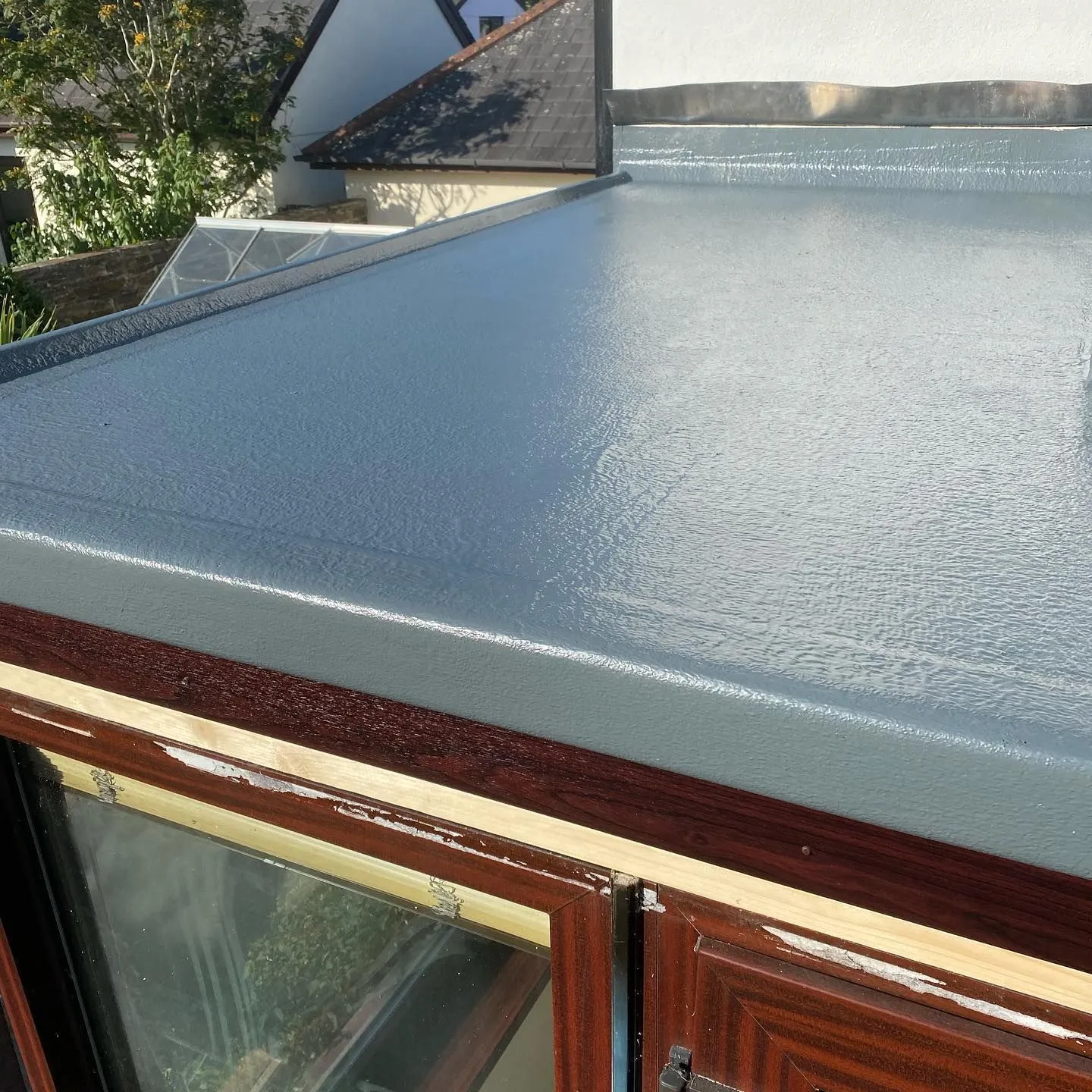
Many flat roof extensions in Mickleover, Littleover, and Allestree were built 20–30 years ago on older felt systems. When those come to the end of their life, the replacement often triggers both thermal element and structural checks. We install EPDM rubber, GRP fibreglass, and felt systems across Derby — and handle all Building Regulations compliance as part of every installation.
The Insulation Upgrade Rule (Part L): What Derby Homeowners Need to Know
This is the rule that catches the most Derby homeowners off guard. A roof is classified as a thermal element under Building Regulations — meaning that when you replace more than 50% of the roof area, you are legally required to upgrade the insulation to current standards at the same time, even if the tiles are being replaced on a like-for-like basis.
The requirement comes from Approved Document L, which sets minimum energy efficiency standards. The homeowner cannot opt out. The only exceptions are where upgrading is not technically feasible, or where the payback period exceeds 15 years.
Derby's housing stock includes a large number of post-war semis, Victorian terraces, and 1960s–1980s properties, many with inadequate loft insulation or none at all. When we re-roof these properties, the insulation upgrade is built into the project — it is part of what you are buying, not an optional extra. If a roofer does not mention insulation when quoting for a re-roof that covers more than 50% of the roof, that is a warning sign. We advise on Part L compliance as standard, from the first survey through to the completion certificate.
The Competent Roofer Scheme: How We Handle It for You
You do not always need to apply to Derby City Council's building control department yourself — there is a government-backed alternative. The Competent Roofer Scheme, run by the National Federation of Roofing Contractors (NFRC), allows registered roofing contractors to self-certify their work as compliant with Building Regulations. The contractor notifies the local authority before work starts and again on completion.
The homeowner receives a Building Regulations Compliance Certificate (BRCC) directly from the scheme, without needing to make a council application. When you use a Competent Roofer, the paperwork is handled for you — that certificate is what your solicitor will ask for when you sell your home.
What's Included When We Manage Your Building Regulations Compliance
- Checking the 50% roof area and 25% building envelope thresholds during the free site survey, before you're quoted
- Advising on the Part L insulation upgrade requirement when more than half the roof is being replaced
- Handling the Competent Roofer Scheme (NFRC) self-certification route where the job qualifies, so a separate council application usually isn't needed
- Notifying the scheme before work starts and again on completion, then issuing your Building Regulations Compliance Certificate (BRCC)
- Checking whether your property sits in a conservation area or is listed before any work is quoted
- Structural checks where the new covering is more than 15% heavier or lighter than the old one, or where rafters, purlins, or joists need replacing
What Happens If You Skip Building Regulations?
Carrying out roofing work that required Building Regulations approval — without getting it — is a legal offence under the Building Act 1984. At the point of sale, solicitors routinely ask for completion certificates during conveyancing. If your roof was replaced and no certificate exists, the sale can stall. You may need indemnity insurance, at your cost, or retrospective works before the buyer's solicitor will proceed.
Non-compliant structural or material changes can invalidate your buildings insurance policy. Derby City Council can require you to open up completed work for inspection, rectify it at your expense, or take enforcement action — the fine for non-compliance is up to £5,000. Retrospective regularisation is possible, but it costs more than a standard application and is a more stressful route than getting it right from the start. We always advise on Building Regulations before any work begins.
Derby Properties, Conservation Areas, and Listed Buildings
Most standard residential re-roofing in Derby does not require planning permission, but there are situations where additional checks are needed. Conservation areas — parts of Derby City Centre, Darley Abbey, and other designated areas — carry additional restrictions if replacement materials are visibly different from the originals. Listed buildings require listed building consent for almost all work that affects the character of the building, including roofing, even straightforward maintenance — working without consent is a criminal offence. On terraced and semi-detached homes across Normanton, Pear Tree, and Spondon, party wall considerations and fire separation detailing matter when re-roofing. Tell us if your property has any of these characteristics when you call, and we will factor it into the survey.
Building Regulations Advice Across Derby and Derbyshire
We cover Derby, Mickleover, Allestree, Normanton, Chaddesden, Spondon, Littleover, and all Derbyshire postcodes, with Nottingham and Nottinghamshire covered just as routinely given how close they sit. Beyond that core area, jobs are also carried out heading north through Sheffield, Rotherham, Doncaster, Wakefield, and Leeds; east towards Hull and York; further north into Newcastle, Sunderland, and Durham; west to Manchester and Liverpool; and up to Glasgow. Coverage at that distance depends on the specific job, so it's worth a call on 01332-529704 to confirm your postcode before assuming it's included.
FAQ: Building Regulations for Roofing in Derby
Do I need Building Regulations approval to re-roof my house in Derby?
In most cases, yes. If your re-roofing project covers more than 50% of the roof area, or more than 25% of the total building envelope, Building Regulations approval is required. Minor repairs below these thresholds are generally exempt. If you are unsure, call us on 01332-529704 and we will assess your roof for free.
What is the difference between Building Regulations and planning permission for roofing work?
Building Regulations cover how the work is carried out — structure, insulation, fire safety, and ventilation. Planning permission covers how changes look and their impact on the area. Most re-roofing work in Derby needs Building Regulations approval. Most does not need planning permission. They are separate systems and one does not replace the other.
At what percentage of roof replacement do Building Regulations kick in?
Building Regulations apply when you replace more than 50% of the roof area, or when the work affects more than 25% of the total building envelope. Either threshold can trigger the requirement independently.
Can a roofer handle the Building Regulations process for me in Derby?
Yes. Roofers registered with the NFRC Competent Roofer Scheme can self-certify the work and issue your Building Regulations Compliance Certificate directly. This removes the need for a separate Derby City Council building control application. Ask us about this when you call.
Does re-roofing trigger a requirement to upgrade roof insulation?
Yes, in most cases. When more than 50% of a roof is replaced, the roof becomes a notifiable thermal element under Building Regulations. You are required to upgrade insulation to current standards as part of the re-roofing project. This applies across all Derby property types.
Do I need Building Regulations approval for repairs to a flat roof in Derby?
Minor patching repairs are generally exempt. However, if you are replacing the decking underneath a flat roof covering, or if the flat roof has integral insulation that is being disturbed, approval is required. Most flat roof replacements in Derby will need approval. We advise on this at the survey stage.
Will a missing Building Regulations certificate cause problems when I sell my Derby home?
Yes. Solicitors ask for completion certificates during conveyancing. If a certificate is missing, your sale can be delayed. You may need to arrange indemnity insurance or apply for retrospective regularisation. Getting the certificate right at the time of the work is far simpler and less costly.
Do I need Building Regulations approval for roofing work on a listed building in Derby?
Listed building consent is required for almost all work on a listed property, including roofing. This is separate from Building Regulations and must be obtained from Derby City Council before any work begins. Working without consent is a criminal offence. Contact us before you proceed and we will advise you.
Ready to Get Your Derby Roof Checked by a Fully Compliant Roofing Team?
Most re-roofing projects in Derby require Building Regulations approval — and getting it wrong can cause problems at the point of sale, with your insurer, or with Derby City Council enforcement. We check the thresholds and handle the compliance process as part of every job.
Call Derby Roofers on 01332-529704 or complete our contact form for a free, no-obligation survey. We cover Derby, Mickleover, Allestree, Normanton, Chaddesden, Spondon, Littleover, and all Derbyshire postcodes.
- ✅ Free roof survey checks the 50% and 25% thresholds before any quote is given
- ✅ Building Regulations compliance and certification handled as part of the job, not billed as an add-on
- ✅ IPAF and PASMA certified team for safe, accurate access to every part of the roof being assessed
Call us to book your free survey and get compliance sorted alongside your quote.