
Roof Maintenance Tips for Derby Homeowners
Call: 01332-529704
A practical, season-by-season guide to looking after your Derby roof — what you can safely check yourself from the ground and the loft, and which jobs are best left to a professional.
- Ground-Level & Loft Checks You Can Do Yourself
- Seasonal Maintenance Checklist
- Free Drone Survey When You Need a Closer Look
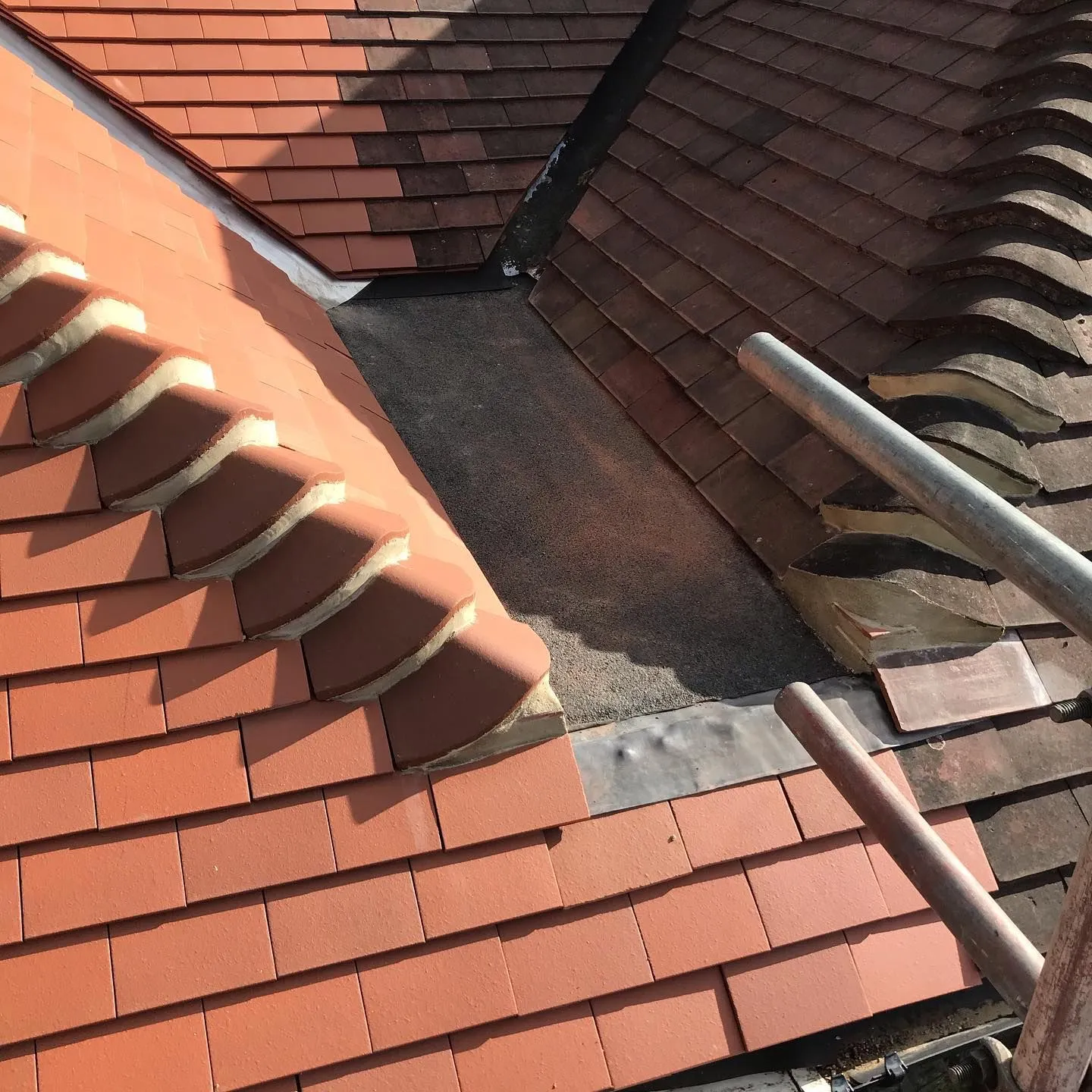
Small Checks Now Save Bigger Repairs Later
Most roof problems on Derby homes do not start as emergencies. They start small — a tile that has slipped a few millimetres, a gutter that overflows once too often, a patch of moss creeping across a north-facing slope. Homeowners who catch these early almost always spend less than those who wait until water is coming through the ceiling.
This guide covers the checks any Derby homeowner can carry out safely, without a ladder against the wall or a foot on the tiles — plus a seasonal checklist and clear guidance on which jobs genuinely need a qualified roofer.
If you would rather have a professional carry out the full inspection, our roof maintenance service covers all of this and more with a free drone survey and written report — useful if your roof has not been checked in a few years or you would simply rather not get the binoculars out.
What You Can Safely Check Yourself, No Ladder Required
A useful first check takes five minutes and does not involve leaving the ground. Walk around the outside of your property, look up, and use binoculars if you have them.
- From the ground: missing, cracked or slipped tiles; ridge or hip tiles sitting unevenly; moss or algae patches, especially on north-facing slopes; gutters sagging, pulling away, or overflowing in rain; a roofline that dips or sags
- From inside the loft: daylight showing through the roof timbers; damp patches or dark staining on rafters or the felt underlay; a musty smell after rain; insulation that has slipped or is damp
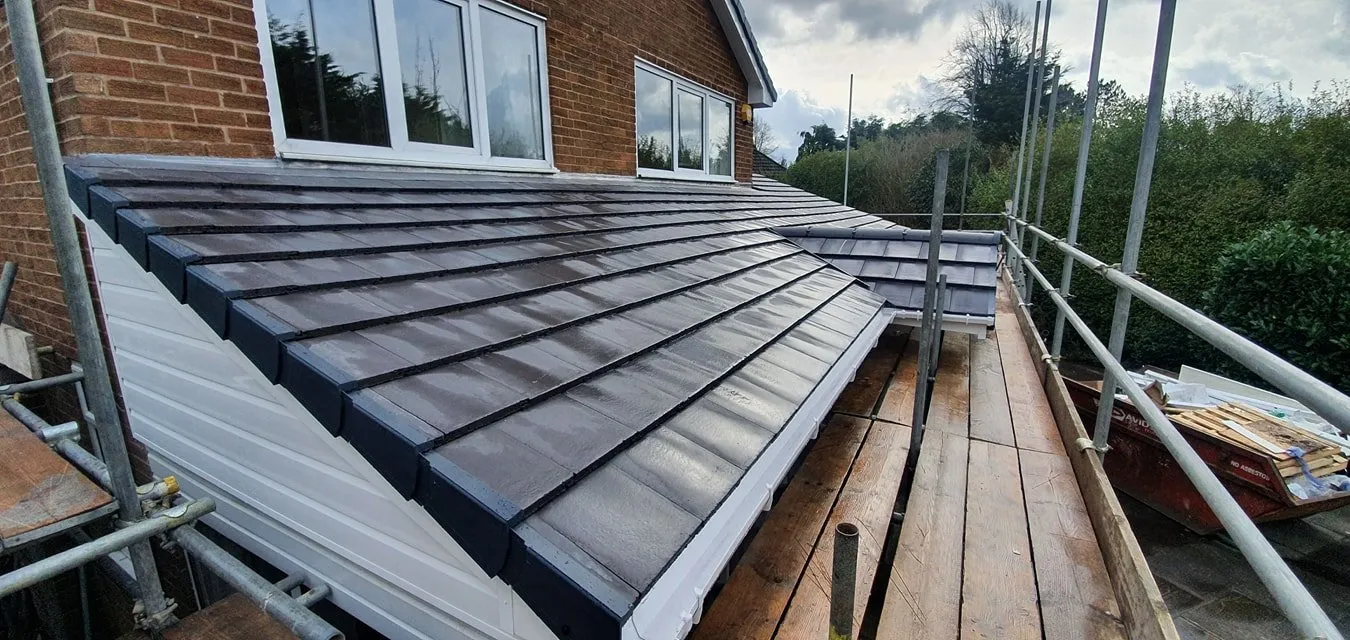
None of this requires climbing onto the roof — and it should not. If anything you spot gives you cause for concern, that is the point to call a professional rather than investigate further yourself.
A Season-by-Season Roof Maintenance Checklist for Derby
Derby's weather asks different things of a roof through the year. Working through this checklist each season catches most problems before they become expensive.
Spring (March to May)
- Check for tiles dislodged or cracked by winter frost and freeze-thaw cycles
- Clear any debris left in gutters and valleys over winter
- Look for moss that has spread during the wetter months
- Check the loft for any damp patches that appeared over winter
Summer (June to August)
- Good weather makes this the easiest time to inspect from the ground and book any repair work
- Check flat roof coverings (garages, extensions) for blistering after hot spells
- Trim back overhanging branches that deposit leaves and moss spores onto the roof
Autumn (September to November)
- Clear gutters and downpipes once leaf fall has mostly finished — this is the single most important autumn job
- Check gutters are securely fixed and running at the correct fall before winter rain arrives
- Have any summer-flagged issues repaired before the cold sets in
Winter (December to February)
- After any storm or period of high wind, check from the ground for obviously displaced tiles
- Watch upstairs ceilings for new water stains after heavy rain
- Avoid getting onto the roof in icy or frosty conditions — leave anything urgent to a professional with the right access equipment
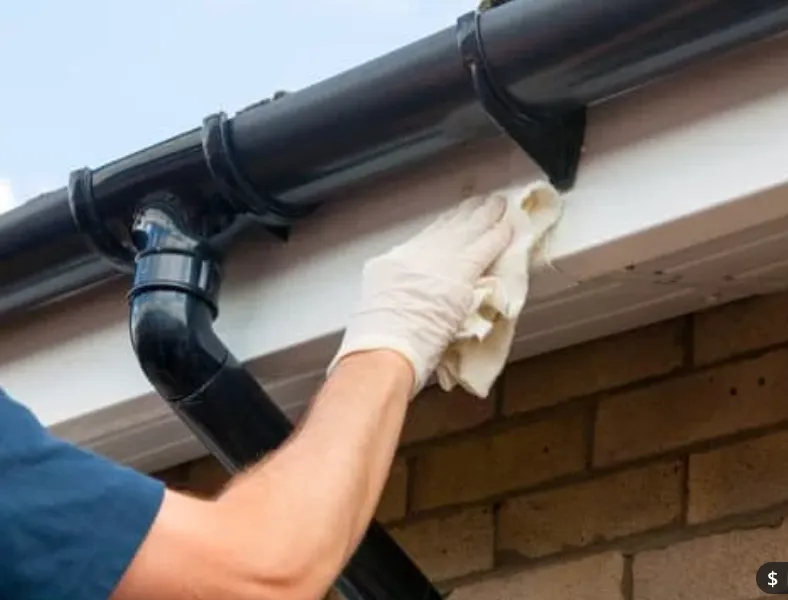
Gutter Clearing: How Often, and Why It Matters More Than You Think
Gutters are part of your roof's drainage system, not a separate job. Blocked gutters back water up under the eaves and behind the fascia board, where it can sit against timber and start rot long before it shows anywhere near the roof surface.
Clean your gutters at least twice a year — once in autumn once leaf fall has finished, and again in spring to clear whatever winter deposited. Properties near mature trees, common across areas like Allestree and Darley Abbey, often need a third check.
Clearing debris by hand from ground level with an extendable tool is reasonable for a single-storey gutter you can reach safely. For anything higher, or gutters that are sagging, cracked, or pulling away from the fascia rather than simply blocked, that is a job for someone with proper access equipment — not a ladder balanced on soft ground.
Spotting Moss and Algae Early, Before It Becomes a Problem
Derby's damp, overcast winters are ideal conditions for moss. North-facing slopes and roofs near mature trees, common on Victorian terraces in Normanton and Darley Abbey, are usually first to show it.
Left alone, moss holds moisture against the tile surface. That moisture freezes in winter, widens hairline cracks, and gradually lifts tile edges and blocks valleys and gutters.
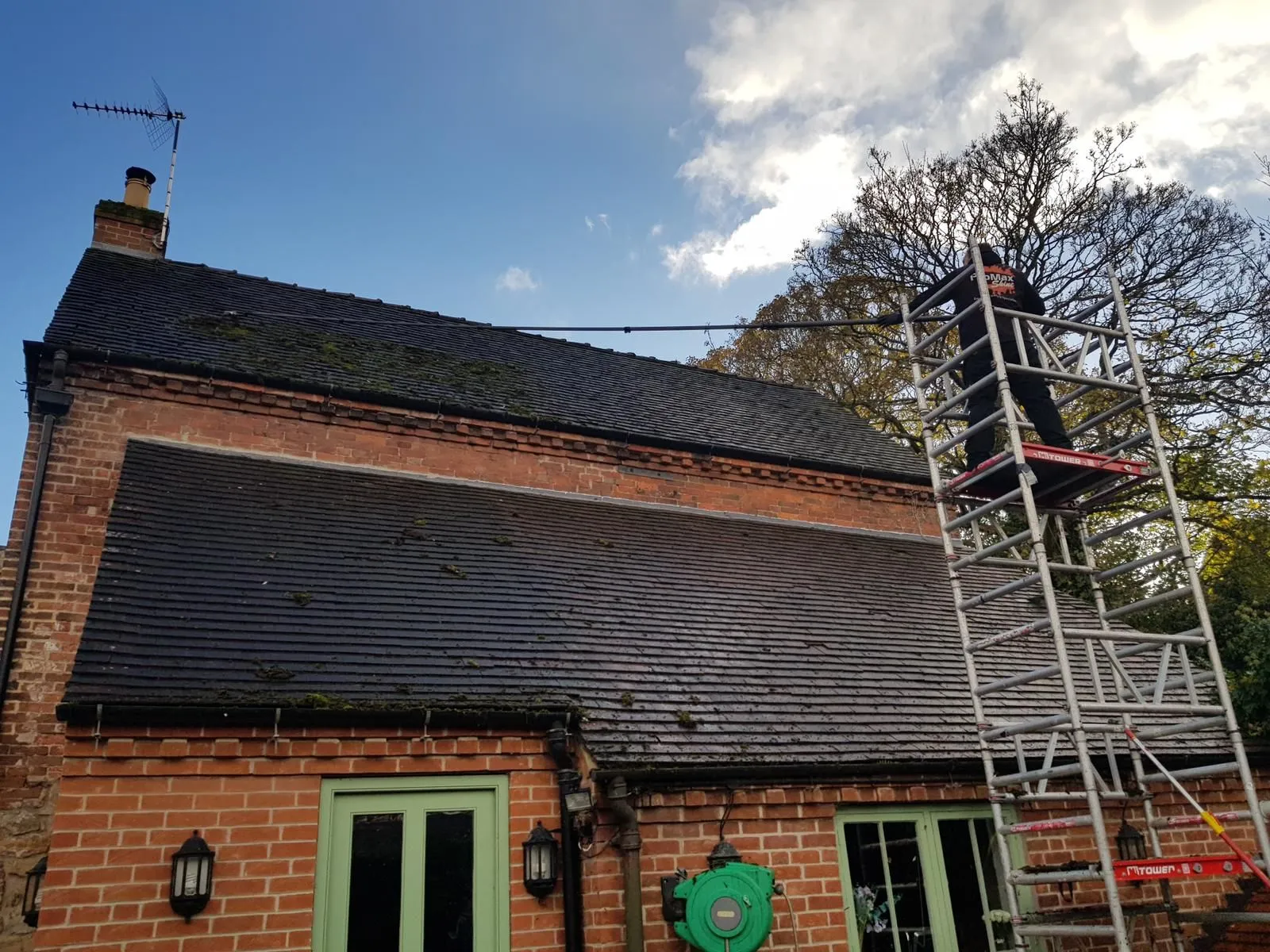
Spotting it early is a DIY job — a visual check from the ground a few times a year is enough. Removing it safely is not. Pressure washing is a common DIY mistake that forces water under tiles and strips the protective surface off concrete tiles; it causes more damage than the moss itself. Established moss is best treated with a soft-wash biocide method carried out by a professional.
For roofs with heavier moss coverage, our full roof maintenance service includes a soft-wash treatment alongside a full condition check, so the cause gets addressed as well as the symptom.
Loft Ventilation and Interior Checks Homeowners Often Miss
The inside of your roof tells you as much as the outside, and it is entirely safe to check — no access equipment needed, just a torch and a few minutes in the loft.
Roofs need airflow to stay healthy. Poor ventilation traps moisture inside the loft space, which condenses on the underside of the roof and can rot timber and degrade insulation from the inside, often long before any sign shows on the tiles outside.
Check that loft vents and eaves gaps are not blocked by insulation, stored boxes, or bird nesting material. Look for a musty smell, black mould spots on timber, or insulation that feels damp to the touch. Any of these are worth a professional look — poor ventilation is a common, fixable cause of problems homeowners otherwise put down to a leaking roof.
Safe to DIY, or Time to Call a Professional?
It is worth being honest about where the line sits. Ground-level and loft checks are genuinely safe for most homeowners. Anything that involves getting onto the roof itself is not — falls from roofs and ladders are among the most common serious home DIY injuries in the UK, and a slipped tile is never worth that risk.
Safe to Check Yourself
- Visual checks from the ground or with binoculars
- Loft inspections with a torch
- Clearing single-storey gutters from ground level with an extendable tool
- Trimming overhanging branches away from the roofline
- Noting warning signs to report to a roofer
Leave to a Professional
- Anything that requires standing on the roof or a ladder against the property
- Moss and algae removal beyond a light surface check
- Ridge, hip, valley and flashing repairs
- Gutter or fascia work above single-storey height, or where sections are damaged rather than just blocked
- Diagnosing the source of an active leak
Warning Signs That Mean It Is Time to Call a Roofer
Most of what is on this page is about catching problems early. Some signs, though, mean it is time to stop checking and start calling.
- Tiles or slates failing across more than one small area of the roof
- Water stains on ceilings, even old, dry ones
- Daylight visible through the roof timbers in the loft
- A roofline that visibly sags or dips
- The same repair needed more than twice in a few years

We offer a free, no-obligation drone survey across all Derby postcodes, so you get a proper look at ridges, valleys and flashings without anyone needing to go on the roof first. See our free drone roof survey page for how it works, or call 01332-529704 to book one.
Free Drone Surveys and Roof Maintenance Advice Across Derbyshire
Whether you have spotted a warning sign from this checklist or just want a professional second opinion, we offer free drone surveys across Derby and the surrounding areas of Derbyshire — from Victorian terraces around Normanton and Peartree to the newer estates of Mickleover, Chellaston and Oakwood. Not sure if we cover your postcode? Call 01332-529704 and we will confirm straight away.
- Derby (DE1)
- Long Eaton (NG10)
- Belper (DE56)
- Borrowash (DE72)
- Breadsall (DE21)
- Mickleover (DE3)
- Ashbourne (DE6)
- Ilkeston (DE7)
- Willington (DE65)
- Chesterfield (S40)
- Matlock (DE4)
- Bakewell (DE45)
- Swadlincote (DE11)
- Markeaton (DE22)
- Heanor (DE75)
- Ripley (DE5)
- Alfreton (DE55)
- Burton on Trent (DE13)
- Buxton (SK17)
- Nottingham (NG)
Frequently Asked Questions About DIY Roof Maintenance in Derby
Can I check my own roof, or should I always call a professional?
Ground-level and loft checks are safe and worth doing yourself a few times a year — look for slipped tiles, moss, sagging gutters and any damp signs inside the loft. Anything that involves standing on the roof, including moss removal or flashing repairs, should go to a qualified roofer with the right access equipment.
How often should I clear my gutters myself?
At least twice a year — autumn once leaf fall has finished, and spring to clear winter debris. If your gutters are single-storey and easily reached from the ground with an extendable tool, this is a reasonable DIY job. Anything higher, sagging, or damaged rather than just blocked is better left to a professional.
Is it safe to remove moss from my roof myself?
Spotting moss is fine to do yourself. Removing established moss is not a job for a pressure washer or a DIY scrub from a ladder — pressure washing forces water under tiles and damages the surface. A soft-wash biocide treatment carried out by a professional is the safer, more effective approach.
What warning signs mean I should stop checking myself and call a roofer?
Tiles failing across more than a small area, water stains on ceilings, daylight visible through the roof timbers, a sagging roofline, or the same repair needed more than twice in a few years. Any of these are worth a proper inspection rather than a further look from the ground.
How often should a Derby roof be professionally inspected?
Once a year is a sensible minimum for most roofs, with an extra check after any significant storm. Roofs over 30 years old, flat roofs, or roofs that have not been checked in several years benefit from more frequent attention.
What is the difference between this guide and your roof maintenance service?
This page is a homeowner checklist — what you can safely check and do yourself. Our roof maintenance service covers the professional side: a free drone survey, gutter clearance, moss treatment and a full written condition report, carried out by our team rather than from your own garden.
Do you charge for a roof survey?
No. We offer a free, no-obligation drone survey across all Derby postcodes. You get a written report either way, and any further work is quoted separately — see our free drone roof survey page for details.
Spotted Something on Your Checklist? Get a Free Second Opinion
Checking your own roof is a good habit — but it is not a substitute for a proper look when something genuinely concerns you.
Derby Roofers has been working on roofs across Derby and Derbyshire for over 20 years. If your own checks have flagged a slipped tile, a patch of moss, or a damp corner in the loft, we will give you a straight answer and a written quote — no pressure either way.
- ✅ Free drone survey, no obligation to book anything
- ✅ Written, itemised quotes only
- ✅ Over 20 years working on Derby roofs
- ✅ IPAF & PASMA-certified access team for anything the drone can't fully assess
Call or email to arrange a free drone survey and find out whether what you have spotted needs attention.