Roof Insulation & Ventilation Upgrades Derby | Warm & Cold Roof Repairs
Call: 01332-529704
Warm roof upgrades, cold roof ventilation repairs, and spray foam removal for Derby & Derbyshire homes — Part L compliant insulation work from a team who have worked on warm and cold roof systems across the area for over 20 years.
- IPAF & PASMA-Certified Team
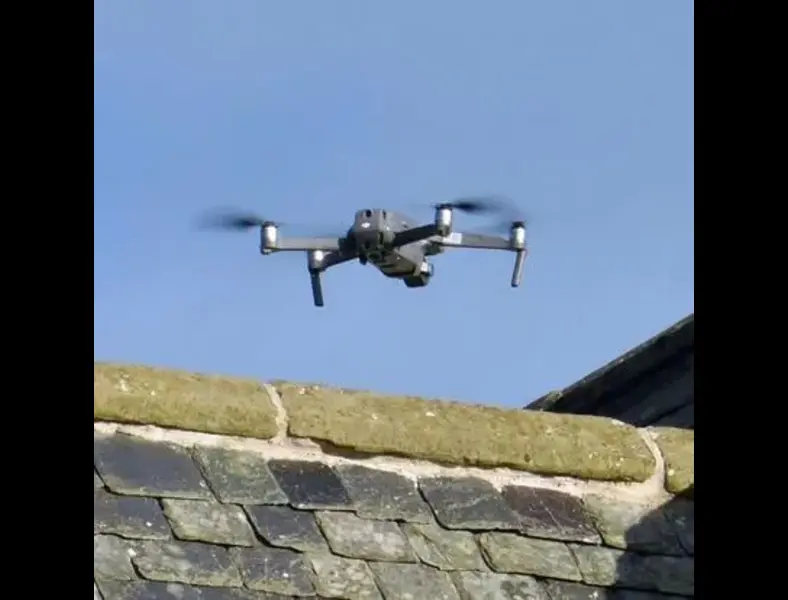
- Free Roof Inspection & Free Drone Survey
- Over 20 Years on Warm & Cold Roof Systems
How to Tell Whether Your Derby Roof Is a Warm Roof or Cold Roof
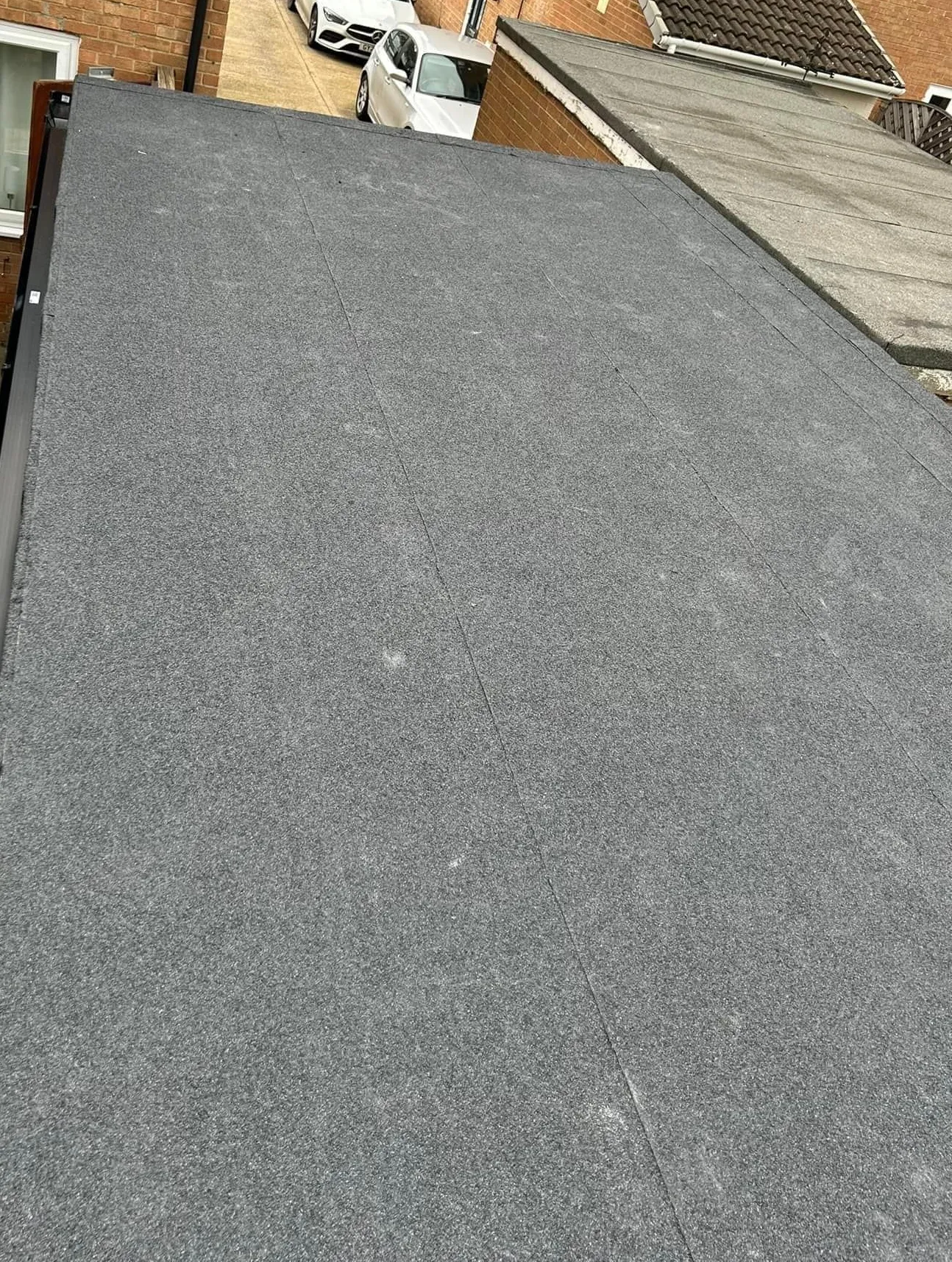
If the job in hand is a full flat roof replacement rather than an insulation upgrade on its own, our flat roofing Derby page covers new flat roof installations, and our flat roof repair Derby page covers patch repairs and leak fixes on an existing flat roof. Either can be combined with a warm roof insulation upgrade in the same visit, which is often the more practical route once a flat roof is due for renewal anyway.
If you are not sure what insulation system your roof uses, you are not alone. Most Derby homeowners only find out when a problem develops. The simplest check is to look at where the insulation sits:
- If insulation is laid on the loft floor between the ceiling joists — you have a cold roof. The roof deck and timbers above sit in cold air.
- If insulation is fixed between or above the rafters — you have a warm roof. The roof structure itself stays warm.
A cold roof needs a ventilation gap to work correctly. Air must flow from the eaves through to the ridge or high-level vents. Without that airflow, moisture builds up and rafters begin to rot. Many Derby properties — particularly semis and terraces in Mickleover and Chaddesden — have flat roof extensions where the original cold roof build has never been updated. We confirm your roof type during the free survey and tell you what, if anything, needs to change.
Signs We Look for During a Roof Inspection
- Condensation droplets on nails or rafters
- Dark staining or mould on loft timbers
- A damp or musty smell after rainfall
- Wet insulation or sagging felt
- Cold spots on upper-floor ceilings
- Evidence of thermal bridging where rafters meet the ceiling
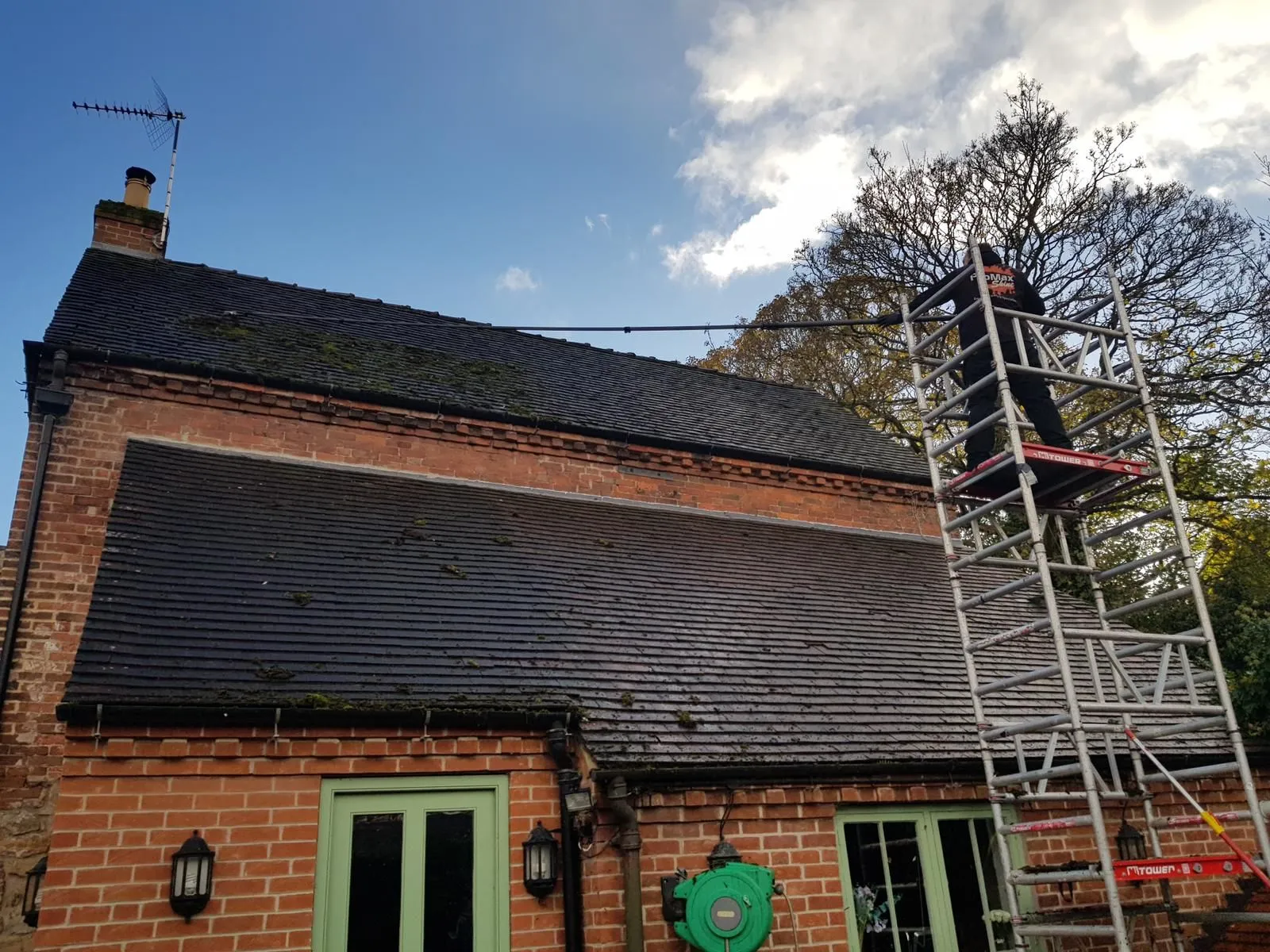
With over 20 years of experience serving Derby and Derbyshire, our fully qualified team carries out free roof inspections for all new enquiries. Call us on 01332-529704 or complete our contact form and we will come out to assess your roof.
Warm Roof Systems Outperform Cold Roofs for Derby Flat Roof Upgrades
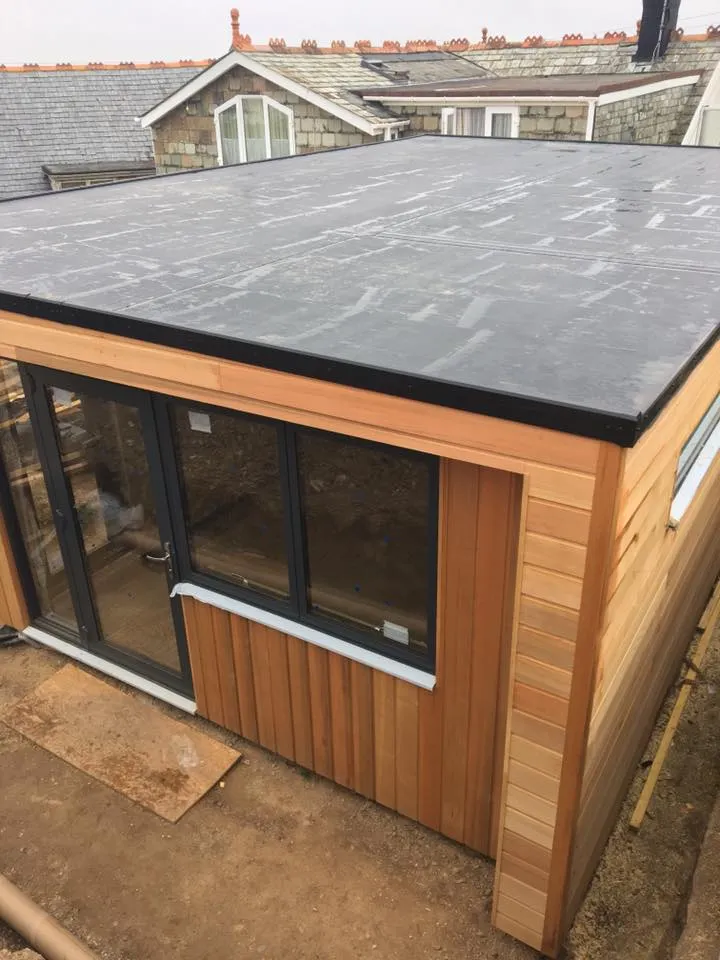
A warm roof places rigid insulation — typically PIR (Polyisocyanurate) or XPS boards — above the roof deck. The whole structure sits within the thermal envelope of the building. There is no need for a ventilation gap, which removes the main cause of condensation in flat roof builds.
Cold roofs place insulation between or under the rafters. The deck above stays cold. For this to work, you need a clear, unobstructed ventilation path from eave to ridge or high-level vent. In practice, many older flat roofs in Derby do not have adequate ventilation. That makes a warm roof upgrade the more reliable long-term option.
Warm Roof Build-Up for a Flat Roof
The standard layers installed on a warm flat roof are:
- Structural deck (existing or new plywood/OSB)
- A vapour control layer (VCL) fixed to the deck
- Rigid PIR insulation board on top
- A new weatherproof membrane over everything — EPDM rubber, GRP fibreglass, or single-ply
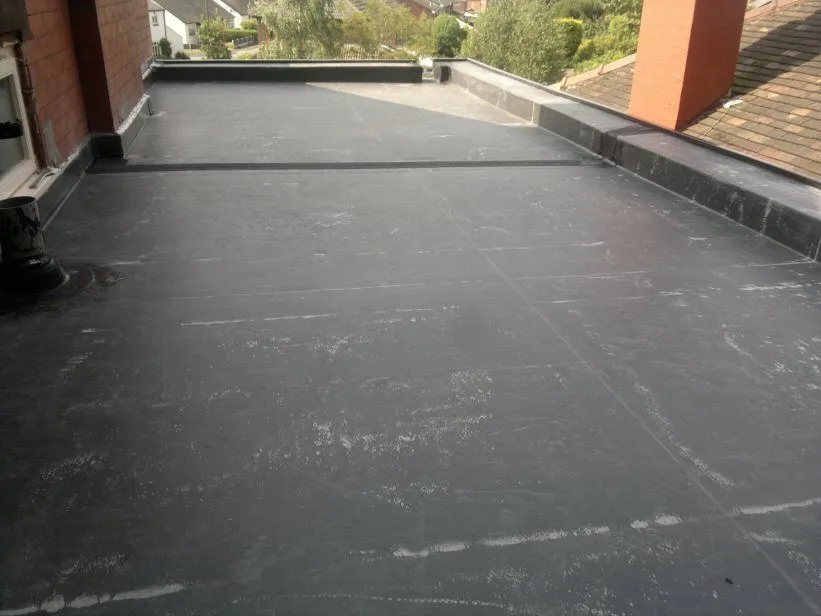
The dew point — the point where warm and cold air meet and create moisture — moves above the insulation in a warm roof. This keeps moisture away from your roof timbers entirely.
There is one thing to check before agreeing to a warm roof overlay. The added build-up raises the height of the roof surface. On a flat roof, we check parapet height and drainage outlet levels before starting. If there is not enough height clearance, we discuss options with you first.
Warm roofs also suit Derby’s climate well. Derbyshire winters are cold and wet. A roof system that eliminates the ventilation gap and keeps the deck warm reduces the risk of moisture-related damage significantly. The NHBC recommends warm roof construction as the standard approach for new and replacement flat roofs.
What Happens When Roof Ventilation Fails in Derbyshire Homes
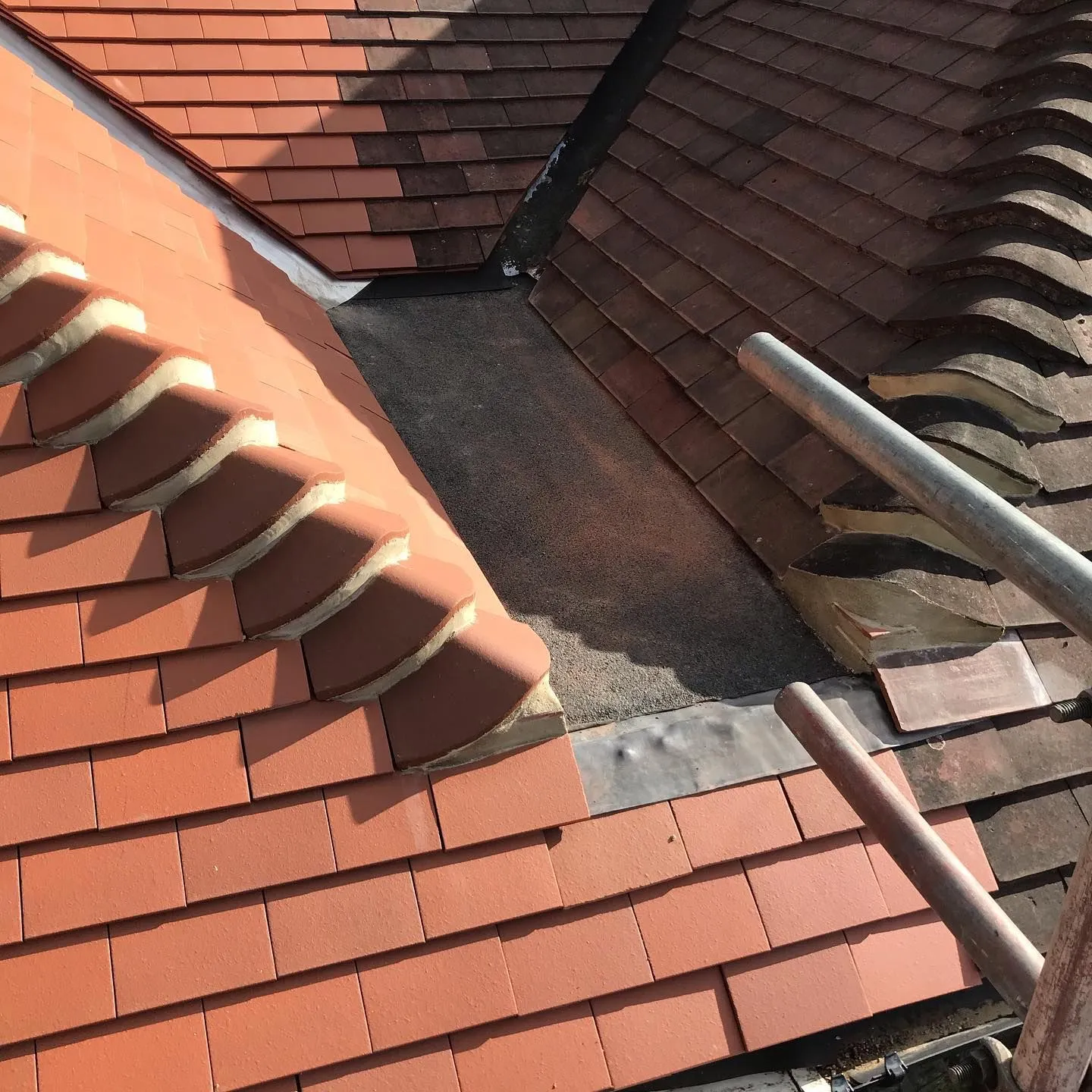
Ventilation problems rarely announce themselves with a visible leak. The damage is usually happening inside the roof structure before you notice anything at ceiling level.
When warm, moist air from inside your home rises into a cold roof space, it needs somewhere to go. A properly ventilated cold roof lets that air escape. When the ventilation is blocked or inadequate, the moisture condenses on the coldest surfaces — the underside of the felt, the nails, and the ridge timbers. Over time, this causes rot, mould, and structural damage.
Common Causes of Ventilation Failure in Derby Homes
- Soffit vents blocked by insulation pushed too far into the eaves
- Box soffits on older terraces in Normanton and Arboretum with no vent path built in
- Missing ridge vents or high-level tile vents on pitched roofs
- Bathroom fans exhausting into the loft rather than to the outside
- Insulation batts installed without leaving the required 50mm ventilation gap above
- Blocked eaves caused by bird activity or debris build-up
When we repair ventilation, we clear any blocked pathways first. We then install the right combination of soffit vents, tile vents, or ridge vent strip to create proper low-to-high airflow. On pitched roofs, this means air enters at the eaves and exits at the ridge. On flat cold roofs, cross-ventilation is needed from one side to the other. Good ventilation works as a system, not a single fix — getting the balance between intake at eaves level and exhaust at ridge level is what stops condensation forming in the first place. If your loft smells damp or your timbers are showing dark staining, call us before the problem spreads further.
Spray Foam Insulation Removal Is a Job for a Qualified Derby Roofer
Spray foam insulation was installed in thousands of homes across Derby and Derbyshire during the 2000s and early 2010s, often through government energy schemes. Many homeowners are now discovering it is causing problems when they try to sell or remortgage.
The issue is straightforward. Spray foam bonds to roof timbers and the underside of tiles. It blocks ventilation. It hides the condition of rafters and battens from surveyors. Mortgage lenders — and RICS surveyors — flag it as a risk. A large number of mainstream UK lenders will not lend on a property with spray foam in the roof. RICS guidance warns that hidden roof timbers cannot be valued accurately, which directly affects your ability to sell or remortgage. If you had spray foam installed under a government scheme such as the Green Homes Grant, this does not protect you from lender refusal. The mortgage decision rests with the lender, not the installation method.
How We Remove Spray Foam in Derby
- Assess the foam type and thickness, and inspect accessible timbers
- Remove foam carefully using hand tools and low-heat equipment
- Inspect rafters and battens for hidden rot or damage
- Repair or replace any compromised timbers
- Install compliant insulation and restore ventilation
- Provide a post-removal inspection report documenting the cleared roof structure
One important point: some spray foam bonds very firmly to roof tiles and felt. In those cases, a full re-slate or retile may be needed. We tell you this upfront during the assessment, not halfway through the job. If you have spray foam in your loft and are planning to sell or remortgage, get in touch. We offer a free inspection so you know what you are dealing with before committing to any work.
Building Regulations Apply to Warm Roof Upgrades in Derby
Any work that changes the thermal performance of your roof triggers Part L of the Building Regulations (Conservation of Fuel and Power). This covers new flat roof insulation, warm roof overlays, and insulation added during a re-roof. It is not optional.
Part L also applies when you are replacing or refurbishing 50% or more of a roof area. If your flat roof extension in Derby is being stripped and re-covered, the insulation underneath must meet current U-value targets at the same time.
U-Value Targets Under Part L
Part L sets U-value targets — a measure of how much heat passes through the roof structure. The targets differ by roof type:
- Flat roofs: 0.18 W/m²K or better
- Pitched cold roofs: 0.16 W/m²K or better
- Pitched warm roofs: 0.13 W/m²K or better
Alongside U-values, Part L requires a vapour control layer on warm roof builds and proper ventilation details on cold roofs. Part C of the Building Regulations (moisture resistance) also applies — covering condensation risk management and the protection of the roof structure from damp.
Derby City Council building control will inspect insulation work where a building notice has been submitted. We work to current Part L requirements on every insulation job we carry out. Where a full building notice is needed, we advise you on that before work starts. Properties in Allestree and Littleover with 1970s and 1980s flat roof extensions are often the ones we find have had insulation added informally without any compliance check.
Warm Roof vs Cold Roof: Side by Side for Derby Flat Roofs
| Feature | Warm Roof | Cold Roof |
|---|---|---|
| Insulation position | Fixed above the roof deck, between or over the rafters | Laid on the loft floor or between the rafters, under the deck |
| Ventilation gap required | Not needed — the structure sits within the building’s thermal envelope | Yes — a clear path from eaves to ridge or high-level vents is essential |
| Condensation risk | Low — the dew point sits above the insulation, away from timbers | Higher if the ventilation path is blocked or inadequate |
| Typical use in Derby | Flat roof extensions, kitchen and bathroom roofs, re-roof projects | Pitched lofts, older flat roofs not yet upgraded |
| Part L U-value target | 0.13–0.18 W/m²K depending on roof type | 0.16 W/m²K for pitched cold roofs |
| Best suited to | Most Derby flat roof upgrades, per NHBC guidance | Roofs where parapet height or drainage levels rule out a warm roof overlay |
Booking to Sign-Off: The Order of Work
Here is what happens from your first call through to a signed-off insulation or ventilation job on your Derby property.
- Book a free inspection: Call us or use the contact form to arrange a free roof inspection, with a free drone survey available where it’s useful for a hard-to-reach flat roof or steep pitch.
- On-site assessment: We check where your current insulation sits, look for the condensation and ventilation failure signs described above, and confirm whether your roof is a warm roof or cold roof build.
- Written quote: You get a clear breakdown of what’s needed — insulation, ventilation, or spray foam removal — including any Part L compliance work and whether a building notice applies.
- Preparation: Blocked soffit or ridge vents are cleared, old or wet insulation is stripped out, and spray foam or a failing membrane is removed where that’s part of the job.
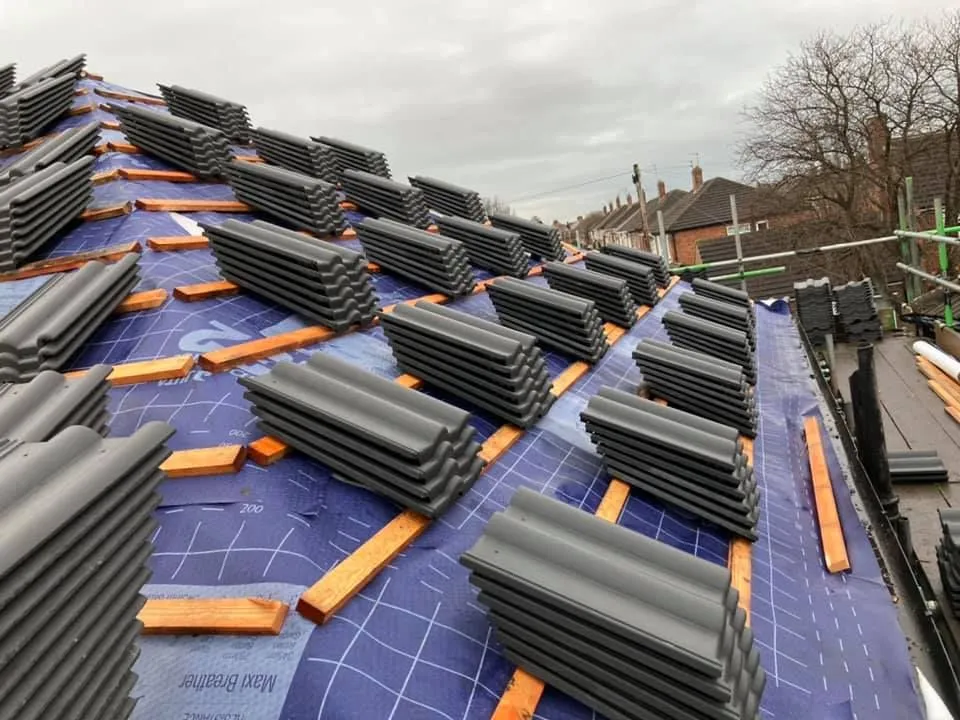
- Installation: Insulation board, vapour control layer, ventilation components, and a new membrane or vent strip are fitted to current Part L standards.
- Sign-off: For spray foam removal, you receive a post-removal inspection report; for building notice work, we support the building control inspection through to completion.
What’s Included in Your Derby Insulation or Ventilation Quote
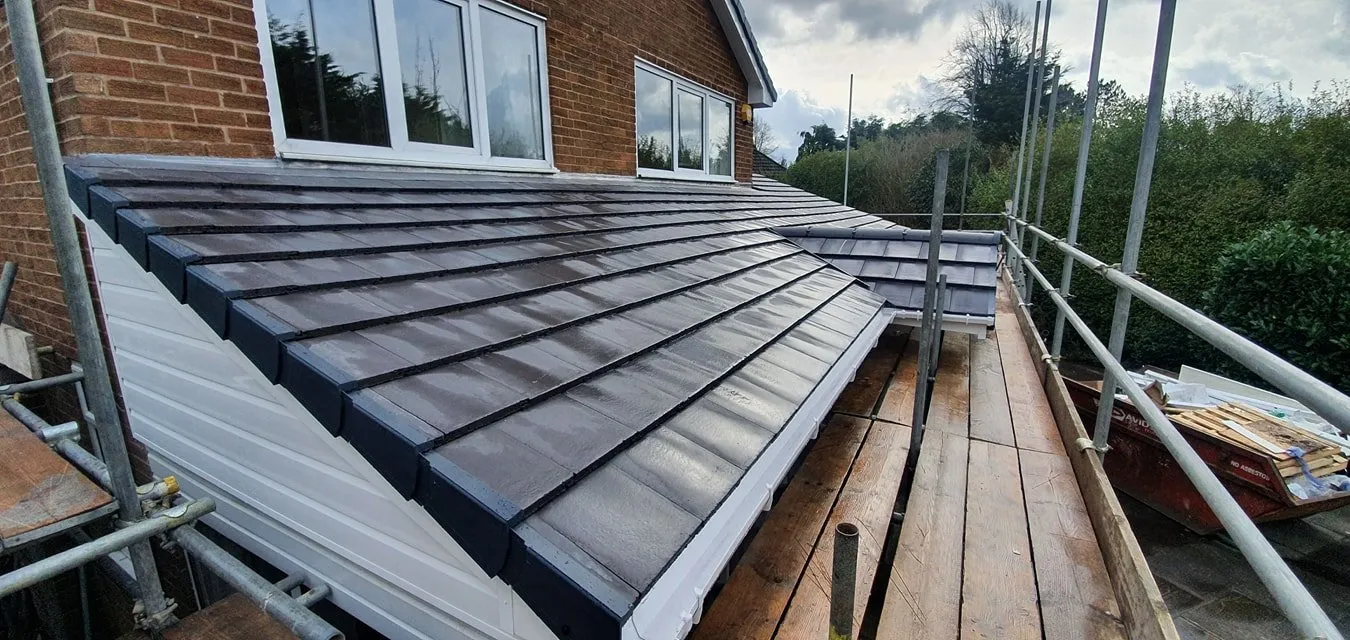
- Warm roof overlay installation on flat roofs, including vapour control layer, rigid PIR or XPS insulation board, and a new EPDM, GRP fibreglass or single-ply membrane
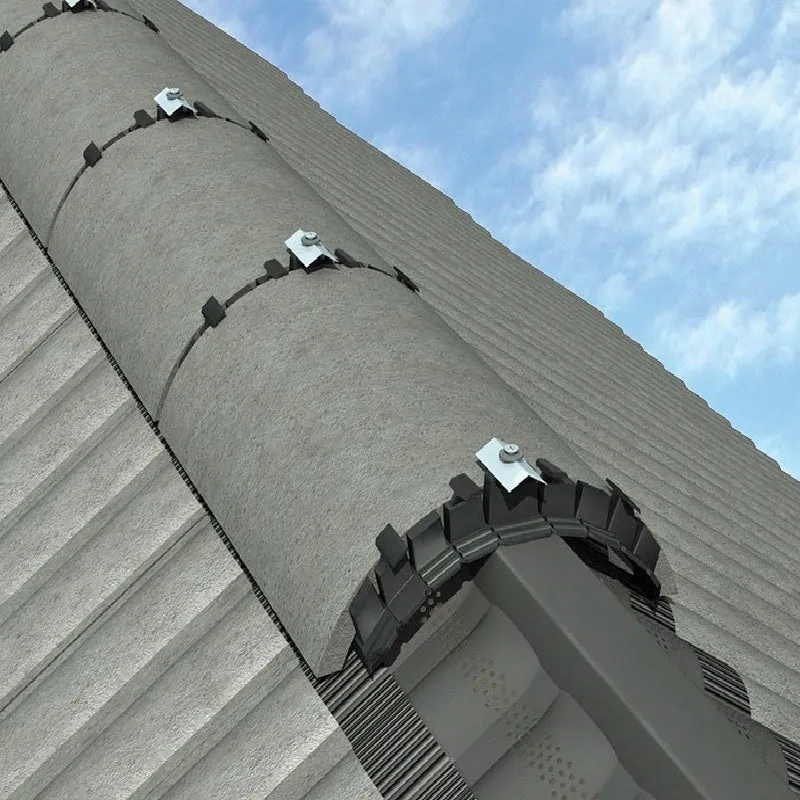
- Cold roof ventilation repairs — soffit vents, tile vents, ridge vent strip, and cross-ventilation on flat cold roofs
- Spray foam removal from lofts, including timber inspection, timber repair or replacement, and a post-removal inspection report
- Rafter and loft floor insulation top-ups or full replacement on pitched roofs
- Building regulations compliance work to current Part L U-value targets and Part C moisture requirements
- Free roof inspection and free drone survey to confirm your roof type and its condition before any work starts
- Combining an insulation upgrade with a re-roof or new flat roof membrane in a single visit
Not Included / Costed Separately
- A full re-slate or retile where spray foam has bonded firmly to tiles and felt underneath — identified during the assessment and priced as a separate job
- Replacement of a rotten or water-damaged roof deck, only needed where the survey finds it, before a warm roof overlay can go on
- Submission of a full building notice to building control where one is required — we advise on this before work starts, but the application itself sits outside the insulation job
- Structural work needed where parapet height or drainage outlet levels don’t allow for the extra build-up of a warm roof overlay — alternative options are discussed with you on site
How Derby Roofers Price an Insulation or Ventilation Job
We don’t publish a fixed price list, because a straightforward ventilation repair — clearing blocked soffit vents and fitting new vent strip — costs a lot less than a full warm roof overlay with new PIR board and membrane across a flat roof extension, and spray foam removal costs more again if a re-slate or retile turns out to be needed underneath. What we can say is that warm roof insulation installation is VAT exempt, which brings the overall cost down, and that every job is priced only after a free site or drone survey. That’s what lets us tell you whether you need a full replacement, a top-up, or just a ventilation fix, rather than quoting blind over the phone.
A New Insulation Upgrade Makes Derby Homes Warmer Through Winter
An uninsulated or poorly insulated roof is one of the biggest sources of heat loss in a home. A proper upgrade — whether that is a warm roof overlay on a flat extension or additional rafter insulation in a pitched loft — makes a real difference to how warm your home feels and how hard your heating has to work.
For Derby homeowners, the benefit is most noticeable in the colder months from October through to March. Derbyshire winters are damp as well as cold. A roof that loses heat also tends to attract condensation. Fixing the insulation addresses both problems at once.
Additional Benefits of a Roof Insulation Upgrade
- Reduced heating bills — less heat escaping means your boiler works less hard
- Lower carbon footprint — improved thermal performance directly cuts energy consumption
- A better EPC rating, which matters if you are planning to sell or let the property
- Improved acoustic performance — a well-insulated roof also reduces external noise
- Reduced risk of damp and mould forming on upper-floor ceilings and walls
We assess the current insulation depth and condition during the free survey. If the existing material is degraded, wet, or missing entirely, we replace it. If it is in reasonable condition but just under the required depth, we may be able to top it up rather than replace everything.
Insulation upgrades can be combined with a re-roof or new flat roof membrane in a single visit. If your flat roof on a kitchen or bathroom extension in Borrowash or Breadsall is coming to the end of its life, replacing it with a warm roof system at the same time makes practical sense. Warm roof insulation installation is also VAT exempt, which reduces the overall cost of the upgrade.
Certified for the Access, Not Just the Roof Work
Insulation and ventilation jobs tend to land on the parts of a roof that are hardest to get at — a flat roof extension over a kitchen on a terraced street in Chaddesden, a loft with a boarded-over hatch in an Allestree semi, a ridge vent strip two storeys up on a bay-fronted house near Kedleston Road. Getting a mobile tower or powered access platform to those spots safely is as much a part of the job as the insulation board or vent strip itself.
Team members hold PASMA certification to put up and work from mobile access towers, and IPAF certification to operate powered access platforms, so the access plan for a steep pitch in Mickleover or a hard-to-reach flat roof in Spondon gets worked out before anyone’s on site, rather than improvised with an extension ladder on the day.
Areas We Cover for Roof Insulation & Ventilation Upgrades in Derbyshire
Derby Roofers proudly serves homeowners and businesses throughout Derby city and the wider Derbyshire area for warm roof, cold roof and spray foam removal work. Derby is home base, and most jobs sit within the city — Allestree, Mickleover, Chaddesden, Oakwood, Spondon, Chellaston, Littleover, Alvaston, Normanton, Darley Abbey, Mackworth and Sinfin, plus the streets around Kedleston Road and Duffield Road, all get regular call-outs. We also cover the surrounding Derbyshire towns and villages listed below. If you’re outside these areas, get in touch — flat roof and loft access work further out can usually still be arranged. Call us on 01332-529704 and we will confirm straight away.
- Derby City Centre (DE1)
- Allestree, Mackworth & Quarndon (DE22)
- Mickleover (DE3)
- Littleover & Normanton (DE23)
- Chaddesden, Oakwood & Spondon (DE21)
- Alvaston, Crewton & Osmaston (DE24)
- Belper (DE56)
- Ripley (DE5)
- Ilkeston (DE7)
- Heanor (DE75)
- Swadlincote (DE11)
- Ashbourne (DE6)
- Matlock (DE4)
- Borrowash & Draycott (DE72)
- Etwall & Hilton (DE65)
- Melbourne & Chellaston (DE73)
- Duffield & Little Eaton (DE56 / DE21)
- Breadsall & Darley Abbey (DE21 / DE22)
- Long Eaton (NG10)
- Castle Donington (DE74)
Frequently Asked Questions About Roof Insulation & Ventilation Upgrades Derby
Is a warm roof or cold roof better for my Derby flat roof?
A warm roof is the better option for most Derby flat roof upgrades. It removes the need for a ventilation gap, eliminates the risk of condensation forming on the roof deck, and gives better thermal performance in Derbyshire’s damp winters. Cold roofs are still used where building regulation heights make a warm roof overlay impractical, but they need a well-designed ventilation system to work reliably. The NHBC recommends warm roof construction as the standard for new and replacement flat roofs.
Can a Derby roofer remove spray foam insulation from my loft?
Yes — a qualified Derby roofer can assess, remove, and replace spray foam insulation. The work should include a full timber inspection, compliant re-insulation, and restoration of roof ventilation. Professional removal is important; DIY removal risks damaging roof tiles, timbers, and your home insurance. After removal, we can provide a report to support your mortgage or sale process.
Do I need building regulations approval for a warm roof in Derby?
Yes. Any work that changes the thermal element of your roof — including warm roof overlays and new flat roof insulation — requires compliance with Part L of the Building Regulations in Derby. If you are replacing more than half of a roof area, the new insulation must also meet current U-value targets. Derby City Council building control will inspect the work.
How do I know if my Derby roof has a ventilation problem?
Look for condensation staining on loft timbers, dark mould patches on felt or rafters, or a persistent damp smell after rain. Blocked soffit vents are the most common cause. Bathroom or kitchen extractor fans venting into the loft — rather than outside — are another common culprit. We check ventilation as part of every free roof inspection.
Will a roof insulation upgrade make my Derby home warmer?
Yes. Upgrading a poorly insulated or unventilated roof reduces heat loss through the roof structure. The benefit is most noticeable through the colder Derbyshire months and can also improve your property’s EPC rating. A well-insulated roof also reduces the risk of damp and condensation forming on upper-floor ceilings.
What type of roof lasts longest on a Derby property?
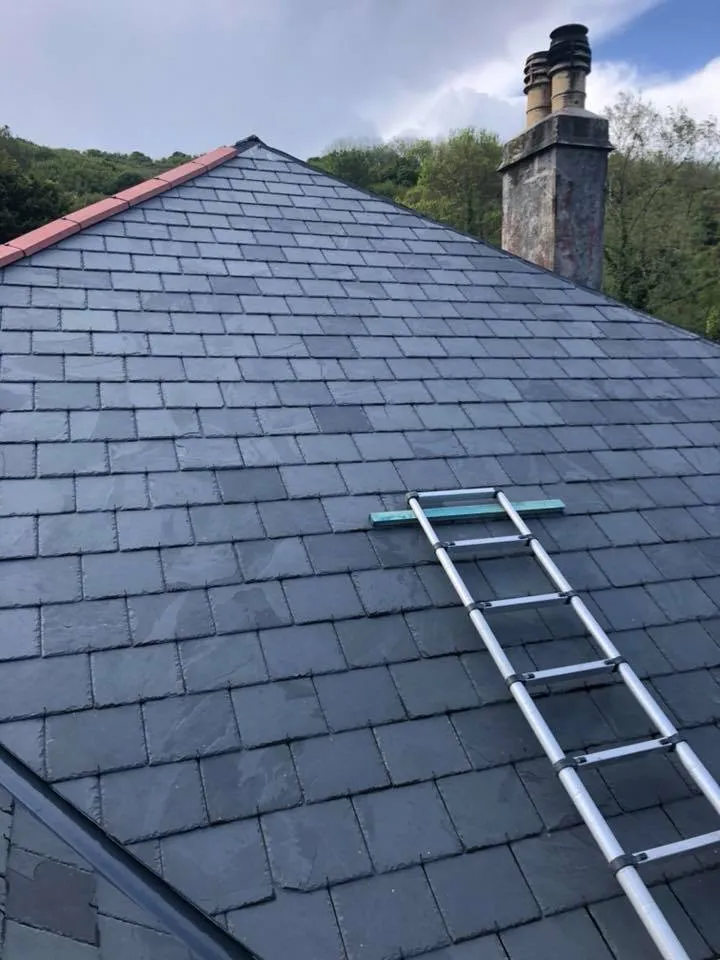
For pitched roofs, natural slate and clay tiles last the longest — many decades with proper maintenance. For flat roofs, a warm roof system using EPDM rubber or GRP fibreglass gives the best long-term performance. The insulation system underneath plays a big part in how long any flat roof lasts. Cold roof flat builds with poor ventilation typically fail much sooner due to timber rot.
What insulation material is used in a warm roof?
Warm roofs most commonly use rigid PIR (Polyisocyanurate) boards, which offer high thermal performance in a relatively thin profile. XPS (extruded polystyrene) boards are also used, particularly in inverted warm roof builds. Both materials meet Part L U-value targets without needing excessive thickness.
Can I upgrade my existing cold roof to a warm roof without a full re-roof?
In many cases, yes. A warm roof overlay can be installed on top of an existing roof deck provided the deck is in sound condition. We check this during the free survey. If the deck has rot or water damage, we replace it before installing the new warm roof build-up.
Ready to Book Your Free Roof Inspection?
If your home is losing heat, showing signs of damp in the loft, or you’re dealing with a failed flat roof that has never had proper insulation, now is the right time to act.
A failing roof costs more to heat. A poorly ventilated roof rots from the inside. And an uninsulated flat roof extension is one of the biggest sources of energy waste in any Derby home. Derby Roofers has been solving these problems for homeowners across Derbyshire for over 20 years. Our team is fully insured, experienced in both warm and cold roof systems, and works to current Part L building regulation standards on every job.
- ✅ Free roof inspection and free drone survey, no obligation
- ✅ Over 20 years on warm and cold roof systems across Derbyshire
- ✅ IPAF & PASMA-certified team for safe flat roof and loft access
- ✅ Warm roof insulation installation is VAT exempt
Call us today on 01332-529704, or complete our contact form — no obligation, no pressure, just honest advice from a local roofing contractor you can trust.