Roof Flashing in Derby: What It Is, Why It Fails, and How It's Fixed
Call: 01332-529704
A plain-English guide to roof flashing for Derby homeowners — what it is, why it fails first (often years before the tiles or slates give up), and the repair options that actually fix it.
- Free Drone Survey
- Written, Itemised Quote
- 20+ Years, No Subcontractors
- IPAF & PASMA-Certified Team
What Is Roof Flashing — and What Does It Actually Do?
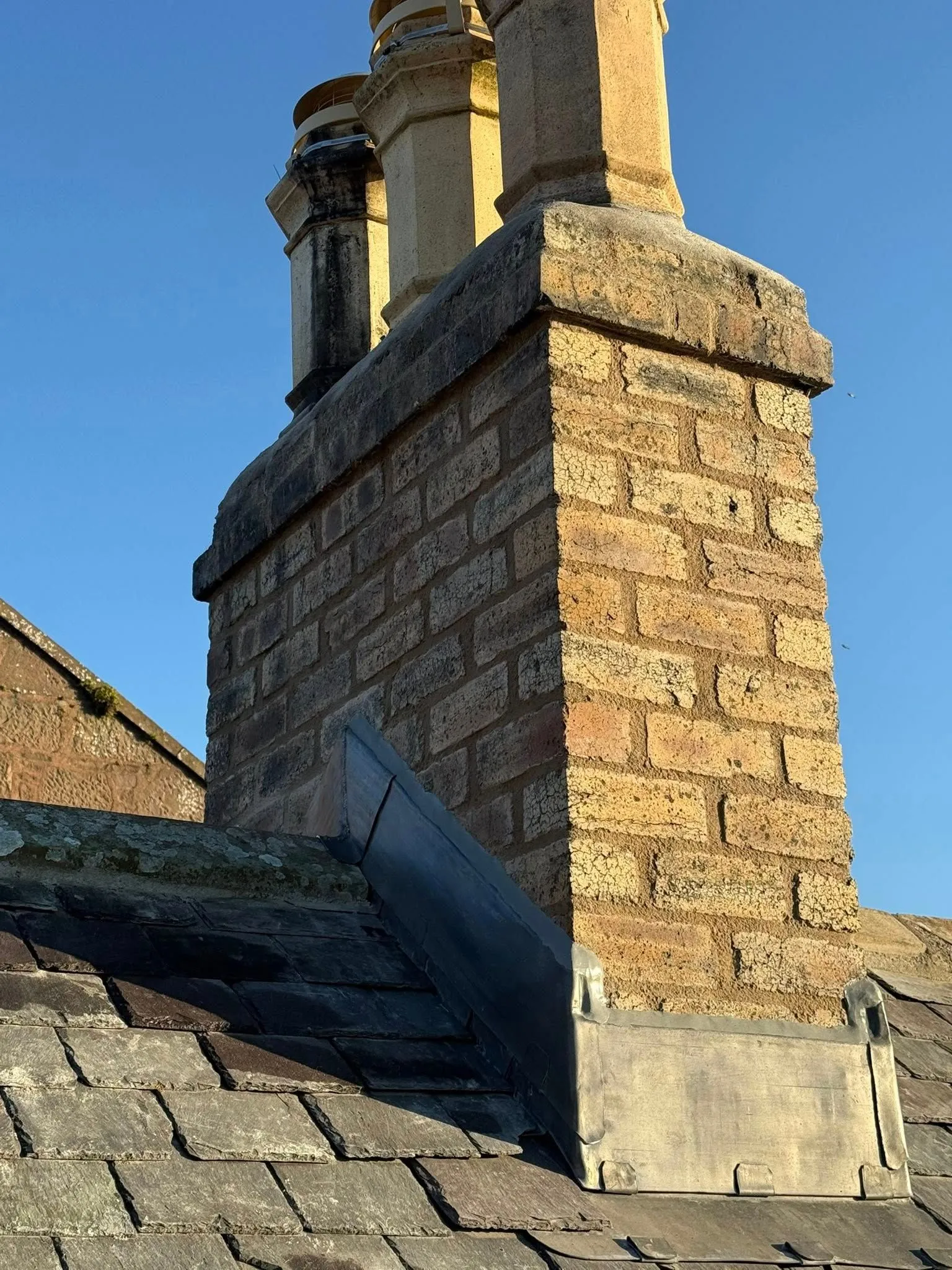
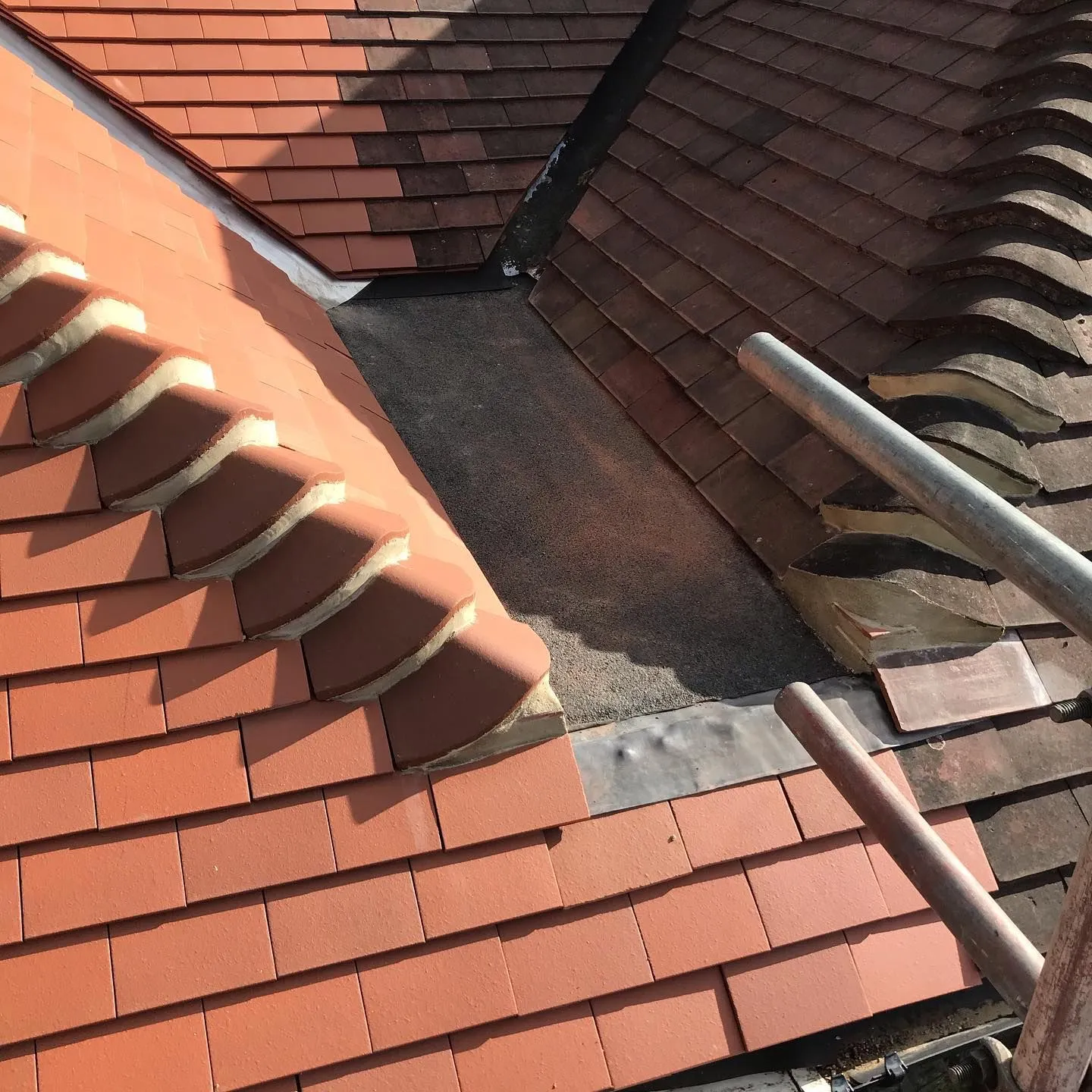
Roof flashing is the strip of thin metal — usually lead on Derby properties — fitted at the joints and junctions on your roof. You will find it around chimneys, skylights, dormers, bay windows, roof valleys, and anywhere a roof meets a wall. Its job is to direct rainwater away from those gaps and onto the main roof surface, where it can drain safely.
Across Derby's mix of Victorian terraces, 1930s semis and Derbyshire stone cottages, flashing is usually the first thing to fail — often years before the tiles or slates give up. A cracked lead apron, a mortar joint that's dropped out of a chimney's back gutter, or a lifted soaker can send water tracking along a rafter for months before it ever shows up as a stain on a bedroom ceiling.
- Without flashing, water sits in roof joints and works its way in over time, reaching the timber, insulation and ceilings below
- We look at every job with a drone before quoting, so you get a written price based on what's actually wrong, not a guess from the ground
- You can see finished examples of this kind of work on our leadwork and flashing page
What Is the Best Material for Roof Flashing in Derby?
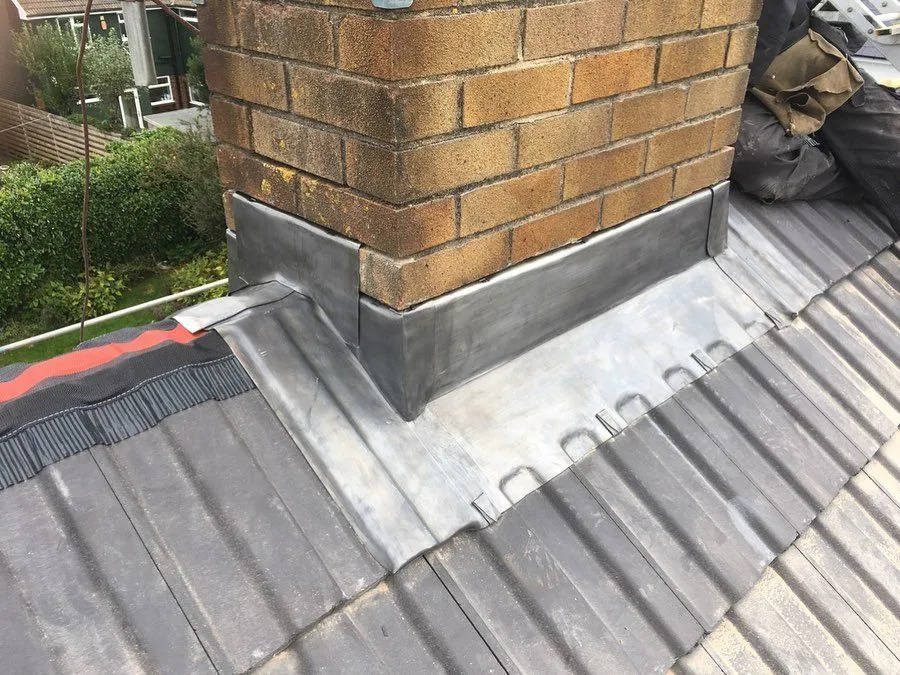
On most pitched roofs across Derby — from Victorian terraces in Normanton to semis in Allestree — lead remains the first choice. It can be shaped precisely on site, handles Derby's damp winters and freeze-thaw conditions well, and lasts for decades with the right installation.
- Lead (Code 4 or 5): The standard for chimneys, valleys and dormers. Lasts 50 years or more when correctly fitted to BS EN 12588 specification.
- Aluminium: Lighter and less expensive. Works well on flat roof details and modern extensions, though it has a shorter lifespan than lead.
- Zinc: Corrosion-resistant and a good match for slate roofs, at a mid-range cost.
- Modern composite / self-adhesive: Faster to fit and suitable for minor repairs, but not a like-for-like substitute for lead on older Derby properties.
If your property is in a conservation area — such as parts of Derby city centre or Darley Abbey — you may need to use traditional materials. We can advise you on this before any work begins.
Why Does Roof Flashing Fail?
Flashing fails for a handful of reasons, and most of them are avoidable. Here are the most common causes we find on Derby roofs.
- Poor installation: The lead was the wrong code, laps were too short, or sealant was used instead of proper metalwork. This is the most common cause we come across — a roofer cuts corners, and it holds for a year or two before the water finds its way in.
- Thermal movement: Lead expands and contracts with temperature changes. Without the correct expansion allowances built into the installation, splits and cracks open up over time. Derby winters accelerate this considerably.
- Freeze-thaw damage: Water gets into small gaps in the mortar, freezes, expands, and widens those gaps. Repeat that through enough Derbyshire winters and you have a reliable leak route straight into your roof structure.
- Age and weathering: Mortar crumbles, sealants dry out, and metal corrodes. Even well-installed flashing eventually reaches the end of its useful life — particularly on properties built before the 1960s.
- Building movement: As a property settles, the roof structure shifts slightly. On some Derby terraces and older semis, this has pulled flashing loose from its chase without any weather damage at all.
Signs Your Roof Flashing Needs Attention in Derby
You do not usually need to get on the roof to spot flashing problems. These are the warning signs to look for:
- Damp patches or brown staining on ceilings near a chimney breast or dormer wall
- Water drips or wet patches in your loft during or after rain
- Visible gaps, lifting, or curling metal on the roof line
- Crumbling or missing mortar where flashing meets brickwork
- Mould or a persistent musty smell in upstairs rooms
- Flashing that rattles or moves in strong winds
- Any flashing over 20 years old that has not been inspected
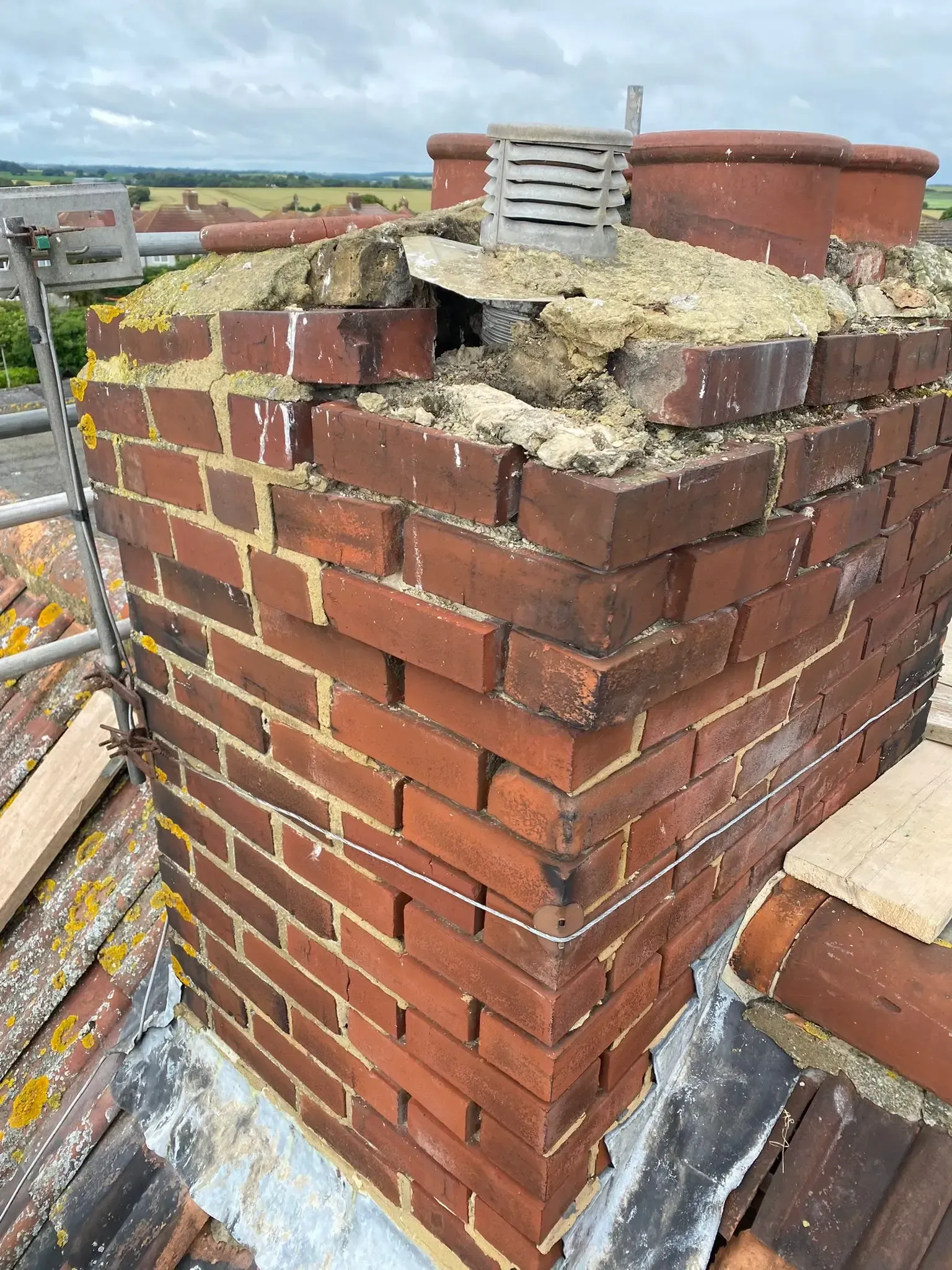
If you can see any of these, do not wait — a small flashing problem in October can become a timber rot issue by March. We offer a free drone roof survey across Derby, Belper, Ilkeston, Long Eaton, and throughout Derbyshire, so you can see exactly what is happening before you spend anything. Book your free drone survey → call 01332-529704.
How Is Roof Flashing Repaired? Your Options Explained
The right repair depends on what we find when we inspect the flashing. There are three main approaches, and we will always tell you honestly which one suits your situation. We do not push full replacements when a reseal will hold, and we do not patch-repair work that needs replacing.
- Option A — Resealing and repointing: If the lead itself is sound but the mortar has failed, we rake out the old mortar to around 20mm, reseat the flashing with lead wedges, and repoint with a flexible compound. The least disruptive fix, and it can add many more years to otherwise intact leadwork.
- Option B — Patch repair: For small holes or isolated corrosion in the lead, we weld a new lead section over the damaged area. This is a short-term solution — it will not last as long as full replacement — but it is a practical choice when the rest of the flashing is in reasonable condition.
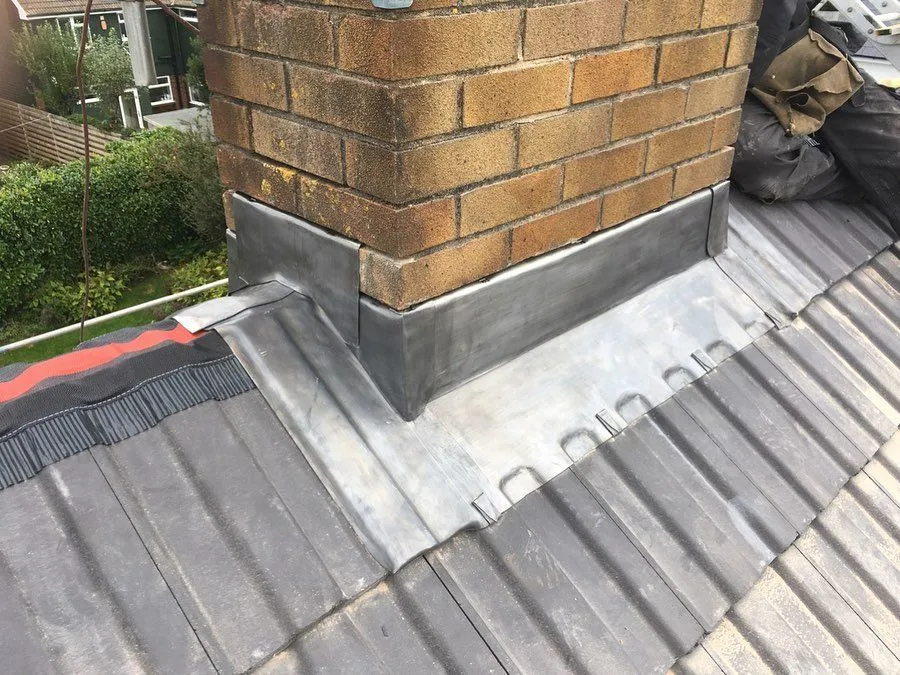
- Option C — Full replacement: When the flashing is cracked, buckled, or was badly installed, full replacement is the reliable option. We remove the old material, prepare the surface properly, and install new lead to the correct code with the right laps, clips and expansion gaps. On a typical Derby chimney, this means addressing all four sides: apron, step flashing, back gutter, and soakers.
How Much Does Roof Flashing Repair Cost in Derby?
Costs vary depending on the location of the flashing, the amount of work involved, and whether scaffolding is needed. Here are typical ranges for Derby properties, all excluding VAT.
- Repoint and reseal around a chimney: usually £150–£350, covering ladder access and around 2 to 4 hours’ work
- Patch repair on a small hole: typically £100–£200, a short-term fix rather than a permanent solution
- Full chimney re-flash across all four sides: generally £400–£900 or more, depending on the size of the stack and how easy it is to access
- Skylight or Velux flashing kit replacement: usually £300–£700, depending on window size and roof type
- Valley flashing replacement: tends to cost £500–£1,200, as more tiles need to be disturbed to complete the job properly
If scaffolding is required, expect to add £800–£1,500 on top of the repair cost. We always confirm whether scaffolding is needed at the survey stage and include it in your written quote — it will never appear as an unexpected extra. Derby's older housing stock, particularly the Victorian and Edwardian terraces across Normanton, Spondon and Darley Abbey, often needs chimney flashing work as part of routine maintenance.
Can I Repair Roof Flashing Myself — or Do I Need a Roofer in Derby?
The honest answer is: it depends on the job. Temporary weathering — a small patch of self-adhesive flashing tape over a minor crack — is something a capable homeowner can manage in an emergency. It is not a lasting fix, but it will hold the rain out while you arrange a proper repair.
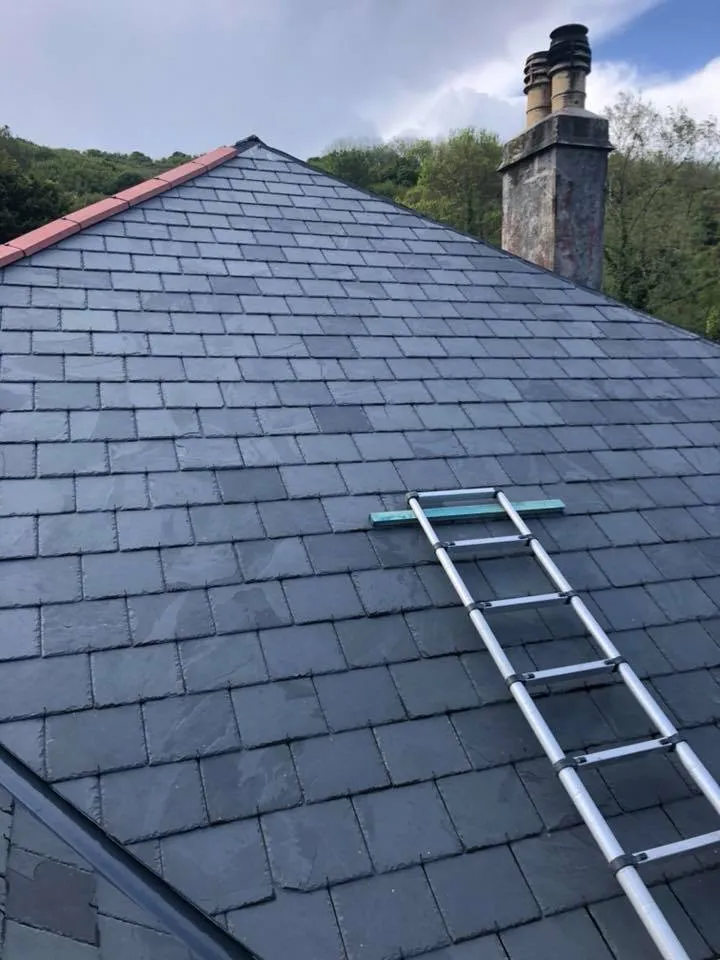
Lead work — cutting, bossing, welding, and installing new lead to the correct specification — requires heat tools, training, and experience, and there is a fire risk if it is done incorrectly. We see the results of DIY lead repairs regularly on Derby roofs, and they rarely last more than a season. Chimney and valley flashing involves working at height on a pitched roof and achieving precise fits, which is a job for a qualified, insured roofer.
One more point worth knowing: if you carry out DIY roof repairs and a subsequent water ingress claim is made on your home insurance, the insurer may decline to pay if the repair work was not done by a qualified contractor. Always check your policy before working on your own roof.
Does Roof Flashing Repair Need Scaffolding in Derby?
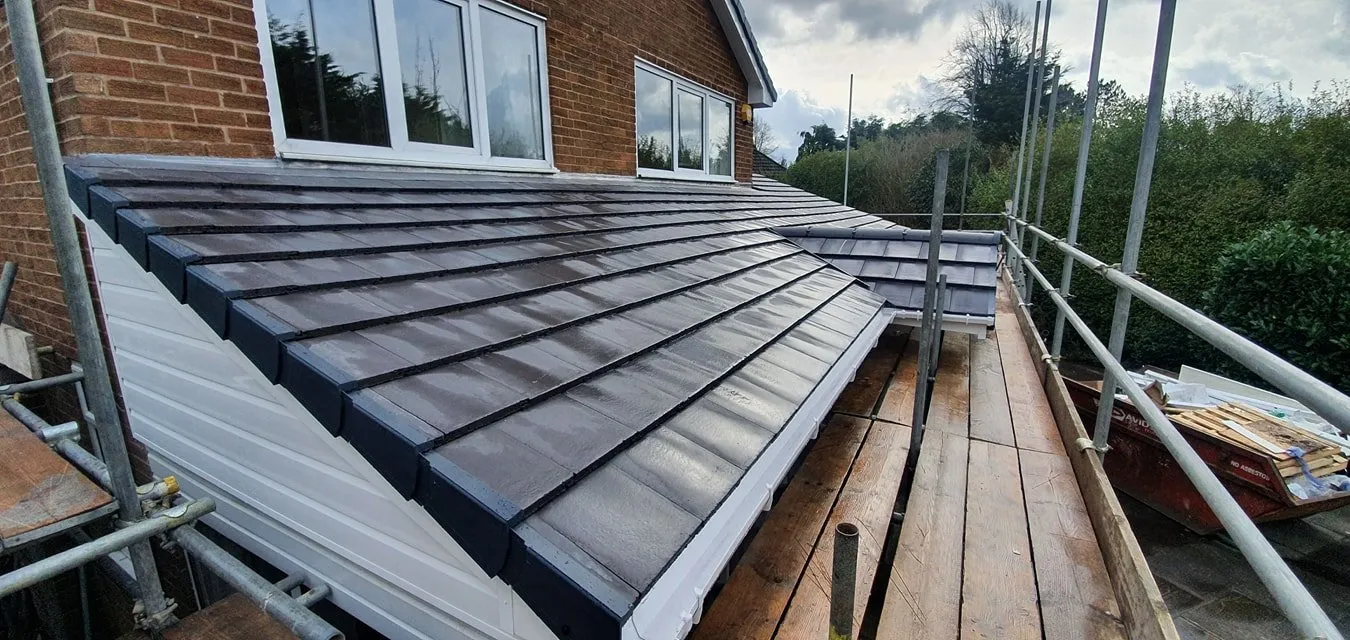
Not always. On many Derby properties, a qualified roofer can access chimney flashing safely from a ladder, particularly on standard two-storey semis and terraces. For steep pitches, larger chimney stacks, valley work, or dormer flashings, scaffolding is often needed to do the job safely and correctly.
We assess access requirements when we carry out your free survey. If scaffolding is needed, we tell you upfront and include it in the written quote — we will never start work and then present scaffolding as an unexpected extra. Our IPAF and PASMA-certified team can also use a mobile tower or powered platform where a ladder alone won't do the job safely.
Is Roof Flashing Covered by Home Insurance in Derby?
Standard home insurance policies in the UK do not cover gradual wear and tear. If your flashing has simply deteriorated over time, your insurer is unlikely to pay for repairs.
Storm damage is a different matter. If high winds have lifted or displaced your flashing — a common occurrence across Derbyshire after autumn and winter storms — that type of sudden damage may be covered, depending on your policy wording. Document any storm damage with photographs before calling a roofer, and notify your insurer before any repair work begins if you intend to make a claim.
If you are unsure whether your damage is wear-and-tear or storm-related, we can help you assess it honestly. We have helped many Derby homeowners work through the insurance process, and we will tell you plainly what we think happened and why.
Why Choose Derby Roofers for Flashing Repairs?
We carry out leadwork and flashing repairs across Derby, Long Eaton, Ilkeston, Belper, Mickleover, Normanton, Spondon, Allestree, and the wider Derbyshire area. Whether your flashing needs a simple reseal or a full replacement, you get an honest assessment and a written price before anything is booked in.
20+ Years, No Subcontractors
We have been repairing leadwork and flashing across Derby and Derbyshire for over 20 years. We carry no subcontractors — the team that quotes your job is the team that does the work.
Free Drone Survey
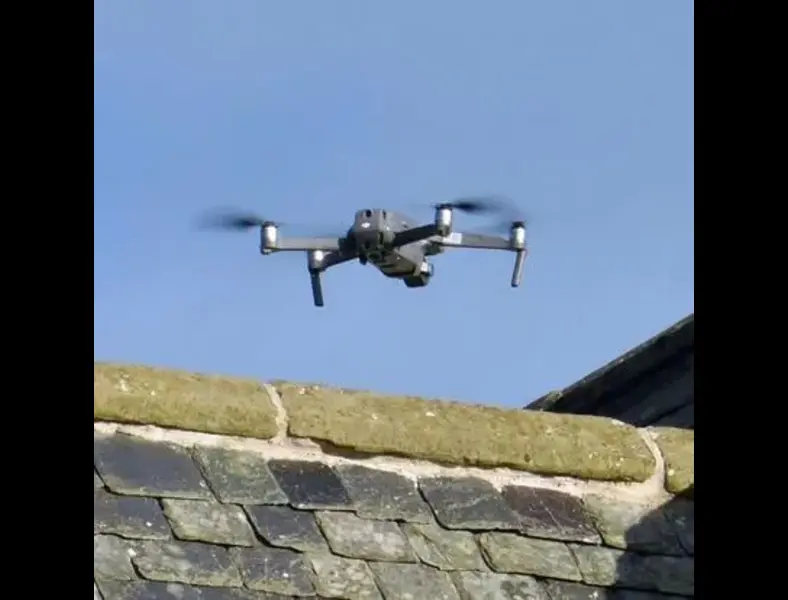
We use professional drones to inspect flashing safely and accurately before quoting, so you get a thorough assessment without paying for scaffolding just to have a look.
Written, Itemised Quotes
You get a clear, written quote with scaffolding costs confirmed upfront, never added later. No hidden costs, no vague estimates.
Honest Recommendations
We tell you plainly which of reseal, patch or full replacement fits what the survey found. We do not push a full replacement when a reseal will hold, and we do not patch-repair work that needs replacing.
Areas We Cover for Flashing Repairs in Derbyshire
We carry out roof flashing repairs and replacement across Derby and the surrounding areas of Derbyshire — from Victorian terraces around Normanton and Peartree to the newer estates of Mickleover, Chellaston and Oakwood, and period properties in Darley Abbey and the Cathedral Quarter. If your property is within reach of our base in Heanor, we can get to you quickly for a survey and quote. Not sure if we cover your area? Call us on 01332-529704 and we will confirm straight away.
- Derby (DE1)
- Long Eaton (NG10)
- Belper (DE56)
- Borrowash (DE72)
- Breadsall (DE21)
- Mickleover (DE3)
- Ashbourne (DE6)
- Ilkeston (DE7)
- Willington (DE65)
- Chesterfield (S40)
- Matlock (DE4)
- Bakewell (DE45)
- Swadlincote (DE11)
- Markeaton (DE22)
- Heanor (DE75)
- Ripley (DE5)
- Alfreton (DE55)
- Burton on Trent (DE13)
- Buxton (SK17)
- Nottingham (NG)
Roof Flashing Repairs in Derby — Frequently Asked Questions
What is roof flashing and what does it do?
Roof flashing is thin metal — usually lead on Derby properties — fitted at roof junctions to direct rainwater away from vulnerable gaps. It seals the joints around chimneys, skylights, dormers, and roof valleys, stopping water from tracking into the roof structure below.
How long does lead flashing last on a Derby roof?
Lead flashing installed correctly to BS EN 12588 specification can last 50 years or more. On many older properties we work on across Derby, Normanton, and Spondon, original lead flashings from the mid-20th century are still performing well. The most common cause of early failure is poor installation, not material quality.
What causes roof flashing to fail?
The main causes are poor installation, thermal movement without the correct expansion allowances, freeze-thaw damage to the mortar pointing, age and corrosion, and building movement pulling the flashing loose. Derby's damp climate and cold winters put additional pressure on flashing that was not fitted properly to begin with.
Can roof flashing be repaired, or does it need replacing?
Both are possible. Minor mortar failure or small holes can often be repaired with a reseal or a patch. When the lead is cracked, buckled, or was poorly installed from the start, full replacement gives the better long-term result. We will tell you honestly which applies to your roof.
How much does it cost to repair flashing in Derby?
A repoint and reseal on a chimney typically costs £150–£350. A full chimney re-flash across all four sides usually ranges from £400–£900 depending on size and access. We provide a written, itemised quote before any work starts.
Do I need scaffolding to repair roof flashing in Derby?
Not always. Many chimney flashings can be accessed safely by ladder. Steep pitches, dormer flashings, and valley work usually require scaffolding. We confirm access requirements at the survey stage and include scaffolding costs in the written quote if needed.
Is flashing tape a proper long-term fix?
No — it's a temporary measure to stop water getting in while you wait for a repair slot, not the finished job. It degrades in UV and won't hold up the way welded or dressed lead does, so it should always be followed up with a proper reseal, patch or replacement.
Do you work on listed buildings or properties in Derby's conservation areas?
Yes. Areas like Darley Abbey have rules about the materials and methods used on visible roof lines. Anything that needs checking against those rules gets flagged before work starts rather than assuming a standard repair will be allowed.
Is roof flashing covered by home insurance in Derby?
Standard policies do not cover gradual wear and tear, but sudden storm damage — lifted or displaced flashing after high winds — may be covered depending on your policy wording. We can help you document and assess the damage honestly.
Book a Free Drone Survey Before the Next Spell of Rain
Water tracking in through a failed joint doesn't wait for a convenient time — it keeps finding its way into the timber and insulation under your roof until the repair happens.
Derby Roofers has been carrying out leadwork and flashing repairs across Derby, Long Eaton, Ilkeston, Belper, Mickleover, Normanton, Spondon, Allestree, and the wider Derbyshire area for over 20 years. We carry no subcontractors — the team that quotes your job is the team that does the work.
- ✅ Free drone survey and written, itemised quote
- ✅ Reseal, patch or full replacement — whichever your roof actually needs
- ✅ IPAF & PASMA-certified access team
- ✅ 20+ years repairing leadwork across Derby & Derbyshire
A drone survey costs nothing and gives you a written price for the right fix, so it can be booked in before the damage spreads any further.