Industrial Roofing Installation & Repair Derby
Call: 01332-529704
Factories, warehouses and distribution units across Derby depend on their roof holding up around the clock, and there is rarely a convenient time to stop production for repairs. Derby Roofers plans industrial roofing work around your operating hours, whether that’s a single cut edge corrosion repair on a Pride Park unit or a full strip-and-re-sheet on an older Litchurch mill.
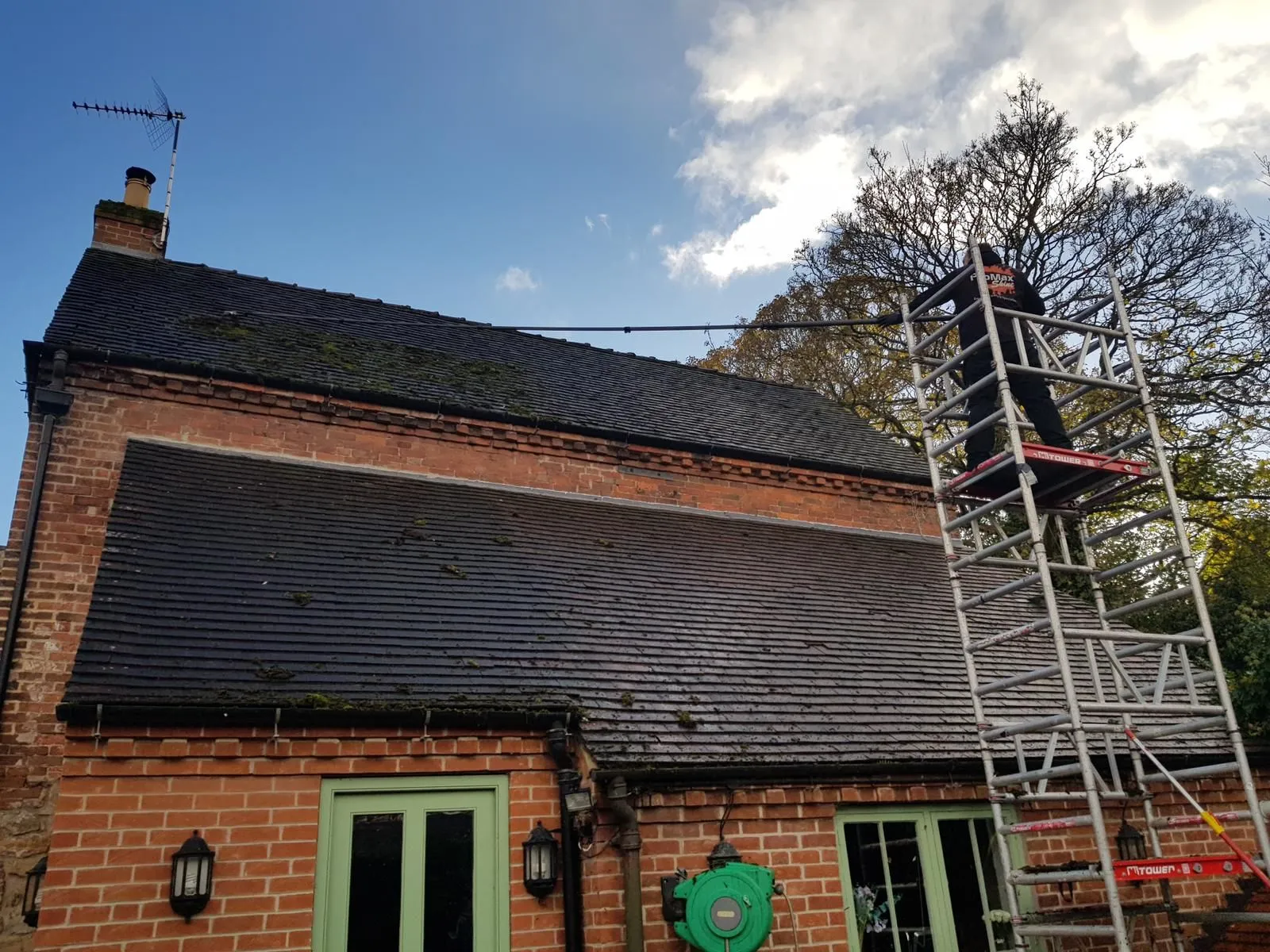
- IPAF & PASMA-certified operatives for safe MEWP & tower access
- Free site survey with a clear, itemised, no-obligation quote
- 24-hour emergency call-out response across Derby & Derbyshire
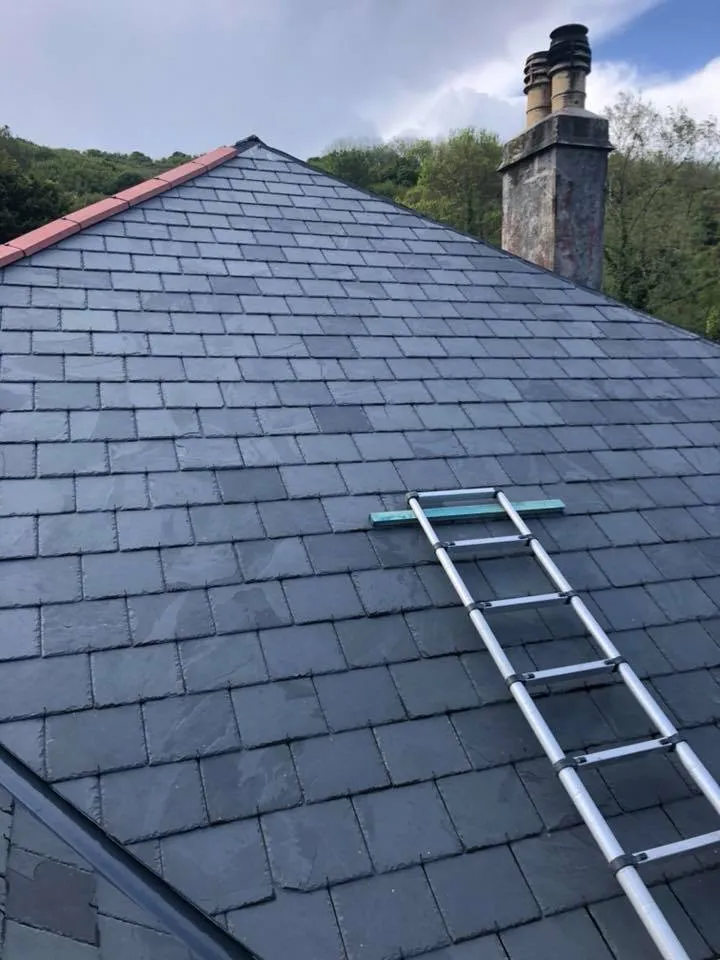
Industrial Roofing Installation & Repair in Derby — Built to Keep Your Site Running
Industrial buildings in Derby carry one of the heaviest workloads of any structure in Derbyshire. Factories, warehouses, and distribution units run day and night. Your roof protects everything inside — stock, equipment, and your workforce.
Whether you manage a warehouse on Pride Park, a factory unit on the Alfreton Road corridor, or an older industrial building near Osmaston or Litchurch Lane, the demands on your roof are unique. This page covers industrial roof installation, repair, over-cladding, asbestos management, and planned maintenance for sites across Derby.
We offer a free site survey and can schedule work to fit around your operating hours. As local roofing contractors with over 20 years of experience, we know the buildings, the weather, and the practical demands of working on live industrial sites in Derby. Our industrial roofing services are available 24 hours a day for emergency call-outs — call us now on 01332-529704.
What Is Industrial Roofing — and Is It Different from Commercial Roofing?
Industrial roofing serves a different set of demands than a retail unit or office block. The spans are wider, the loads are heavier, and the specification requirements are stricter. A factory or warehouse roof in Derby must handle heavy plant equipment, significant drainage volumes, and often higher internal humidity from manufacturing processes.
Think of it this way: a commercial roof covers a business. An industrial roof covers an operation. The structural loads, ventilation requirements, and material specifications are all scaled up accordingly.
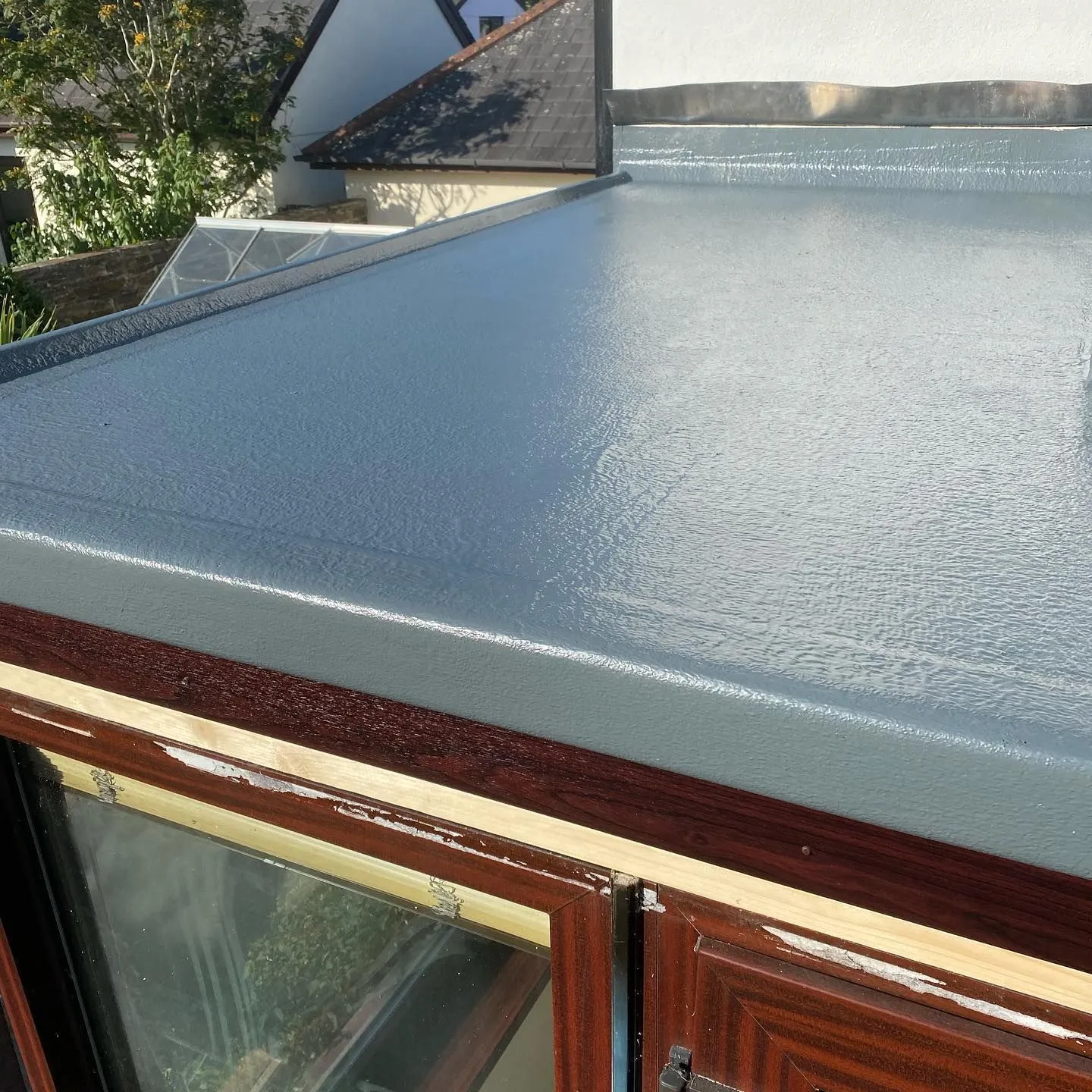
Material choice, fixing methods, and insulation all need to match the building’s use, not just its size. We assess each Derby industrial site individually before recommending any system. Access is different too — industrial sites often require MEWP (mobile elevated work platforms), rope access, or bespoke scaffold solutions. We plan access methods before work starts so your site operations are not disrupted.
The Right Roofing Material Makes Your Industrial Roof Last Longer
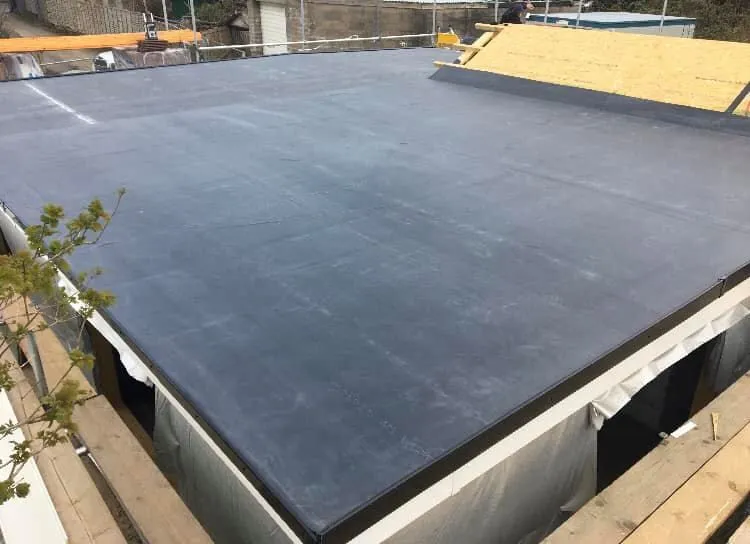
Choosing the wrong material is one of the main reasons industrial roofs fail early. Derby’s industrial stock includes everything from Victorian brick mills in Litchurch to modern steel-frame units on Pride Park. Each building type needs a different approach. The most common materials we install and repair on industrial buildings across Derby are:
- Profiled steel and aluminium sheets — fast to install on large spans, long lifespan, suits most warehouse and factory configurations
- Single-ply membrane (TPO, PVC, EPDM) — ideal for flat industrial roofs with rooftop plant or equipment
- Built-up felt systems — a cost-effective option for lower-specification storage units
- Fibre cement sheets — a direct replacement for older asbestos-cement roofing, matching the existing profile
- Insulated composite panels — a modern solution combining structure and insulation in one panel, reducing heat loss and improving EPC ratings on older industrial buildings
We also offer insulated over-cladding as an alternative to full strip-and-re-sheet. This lays new insulated panels over the existing roof structure. It costs less than a full replacement, causes less disruption, and improves your building’s thermal performance at the same time. On many Spondon and Alfreton Road industrial sites, profiled metal sheeting is the dominant material — we know these building types well and stock compatible profiles to reduce lead times on repairs.
How Long Does an Industrial Roof Last?
The lifespan of your industrial roof depends on the material, installation quality, and how well it is maintained. Here are typical lifespans for the most common industrial roofing systems:
- Profiled metal sheets (steel/aluminium): 40+ years with correct maintenance
- Single-ply membranes (TPO, EPDM, PVC): 20–30 years
- Built-up felt roofing systems: 20–30 years
- Modified bitumen systems: 20–25 years
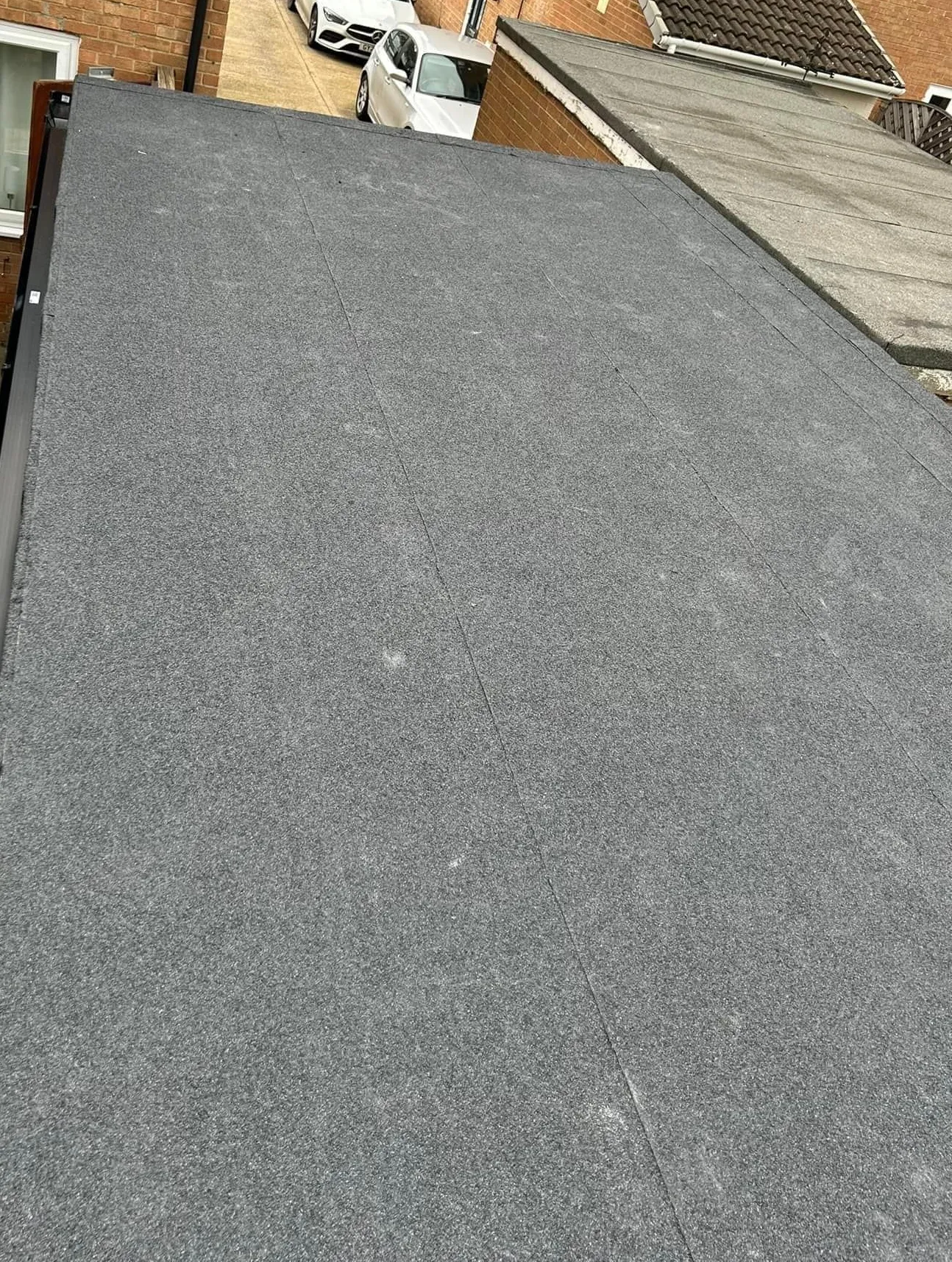
Regular inspections and early intervention are the single biggest factors in reaching maximum roof lifespan. A roof that is never checked will always fail sooner than one that is properly maintained.
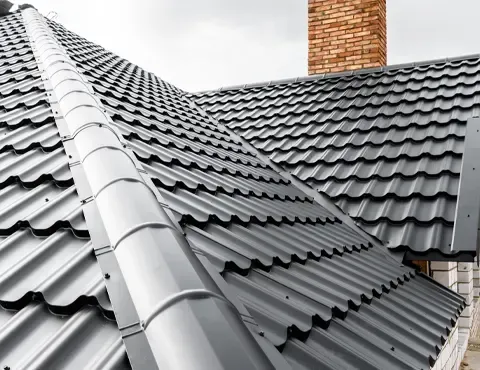
Signs Your Derby Industrial Roof Needs Repair Before It Gets Worse
Most industrial roof problems give warning signs well before a major failure. Catching them early saves money and avoids stock or equipment damage inside your building. Watch for these on your Derby industrial site:
- Water staining on internal steelwork or insulation — the first visible sign of a lap joint failure or membrane split
- Ponding water on flat sections — indicates blocked outlets or a sagging deck; left untreated, it accelerates membrane deterioration
- Visible daylight through sheets or rooflights — sheet displacement or rooflight cracking requiring urgent attention
- Rust streaks on external cladding below the roof line — corrosion working from the outside in
- Cut edge corrosion on profiled metal sheets — the most common issue on metal-clad industrial roofs
- Increased energy bills — wet or compressed insulation dramatically reduces thermal performance
- Mould or damp patches inside the building — often caused by condensation from a failing vapour barrier or membrane
In Derby, cut edge corrosion is widespread on industrial units built in the 1980s and 1990s, including many units around West Meadows Industrial Estate (DE21), Sinfin Lane (DE24), and the Raynesway corridor. Treated early with a liquid polyurethane coating, it extends sheet life by many years at a fraction of the replacement cost. Derby’s wet winters and freeze-thaw cycles accelerate lap-joint failures and membrane splits on flat roofs — a post-winter check in spring and a pre-winter check in autumn are the two most useful inspection points in the year.
Asbestos Roofing on Older Industrial Buildings Must Be Handled Safely
Many industrial buildings in Derby were constructed before 1985. A large number of them were roofed with asbestos-cement (AC) profiled sheets — the standard industrial roofing material of the era. If your building was constructed before 1999, there is a real possibility the roof contains asbestos-cement. You cannot tell by looking at it — only a survey by a qualified assessor can confirm the presence and condition of asbestos-cement roofing.
Any roofing work on a building with AC sheets, even a repair to a different part of the roof, must not begin until a survey has been carried out. This is a legal requirement under the Control of Asbestos Regulations 2012. Once confirmed, you have two main options:
- Licensed removal and disposal — the sheets are taken off and replaced with a modern system; this is required if the AC material is heavily damaged or friable
- Over-cladding (encapsulation) — new profiled sheets are installed over the existing AC roof without disturbing it; this is acceptable where the asbestos-cement is in stable condition
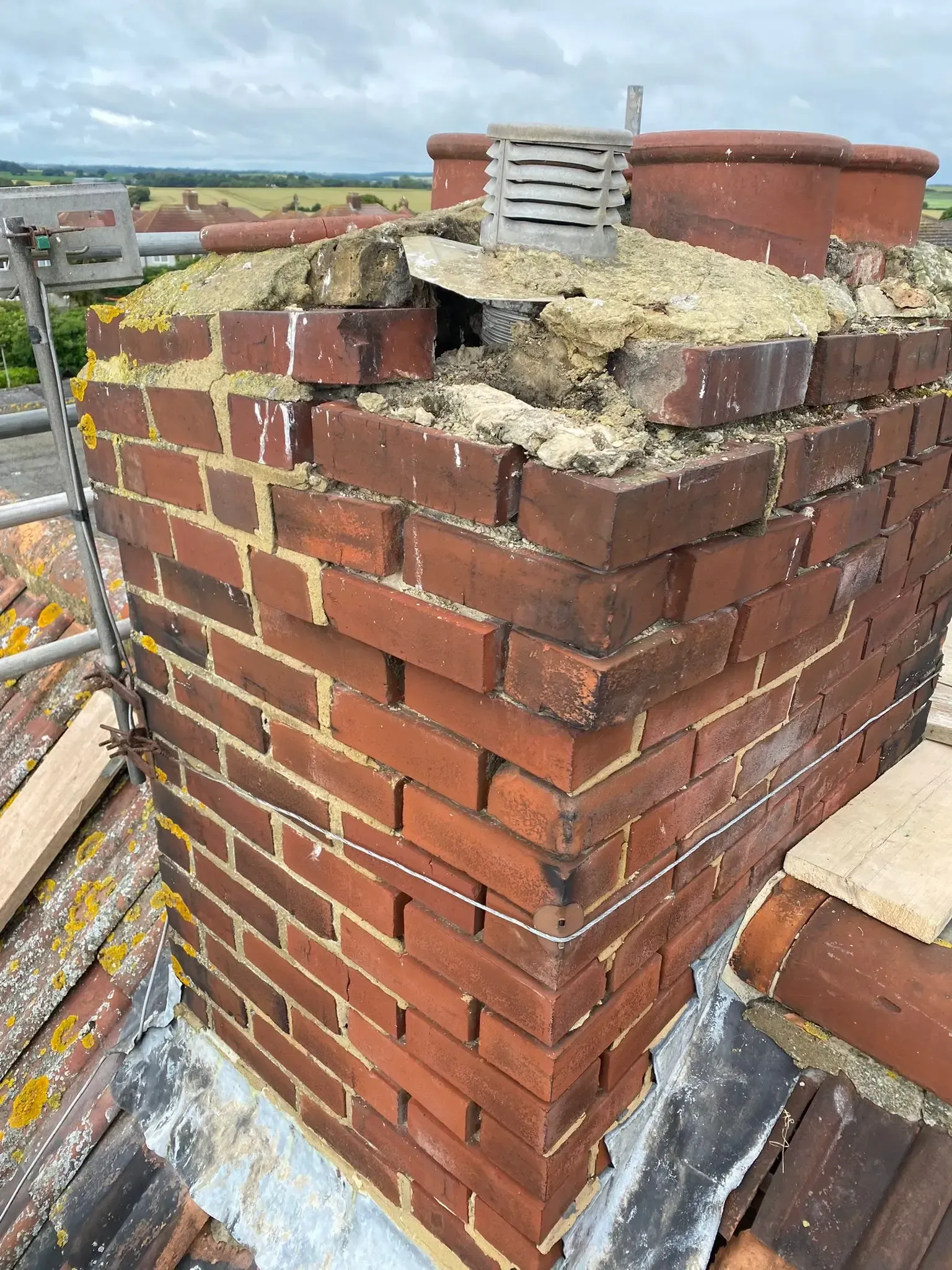
Over-cladding is often the more cost-effective route — it avoids the higher cost of licensed removal, reduces project time, and the new insulated layer typically improves the building’s EPC rating at the same time. Older industrial units around Osmaston and Litchurch Lane in Derby are among the areas where we see AC roofing most frequently. We coordinate with licensed asbestos survey contractors and, where removal is required, with licensed removal specialists. We do not begin any work on a site where asbestos is present without the correct documentation in place.
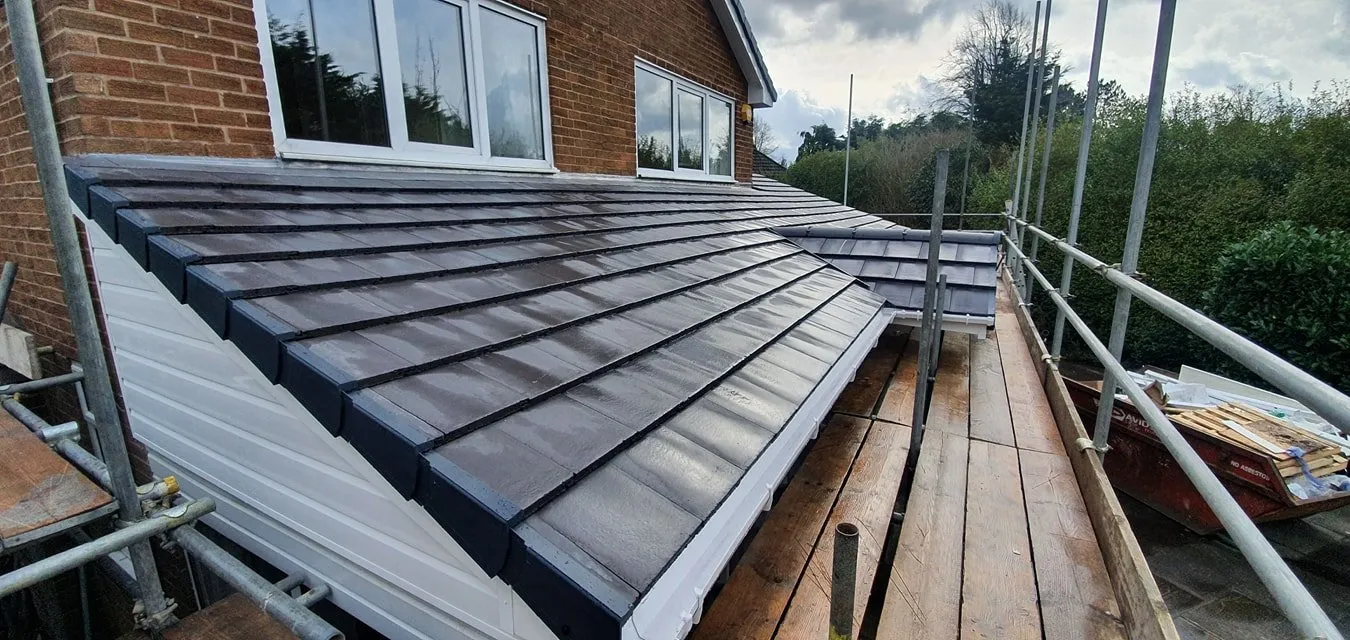
Industrial Roofing Work Can Be Done Without Shutting Your Site Down
Downtime in a working factory or warehouse is expensive. We plan every Derby industrial roofing project around your operational schedule so production keeps running throughout. We do this through:
- Bay-by-bay sequencing — we work across the roof in sections, so only one bay is exposed or under active work at any time
- Temporary weatherproofing — installed between work sessions if a section must be left open overnight
- Out-of-hours scheduling — early starts, evening shifts, and weekend slots are available for critical areas directly above production lines or high-value stock
- Site-specific method statements — produced before work starts, covering access, sequencing, and emergency procedures
- Liaison with your site H&S manager — standard on every Derby industrial project
Summer scheduling on Derby sites reduces the risk of weather delays — we plan the most exposed work for the drier months where possible. For urgent repairs, we can often be on site within 24 hours — call us any time on 01332-529704.
What Happens When You Contact Derby Roofers About an Industrial Roof
Here is what happens when you get in touch about industrial roofing work on your Derby site.
- You call or message us — we respond the same day.
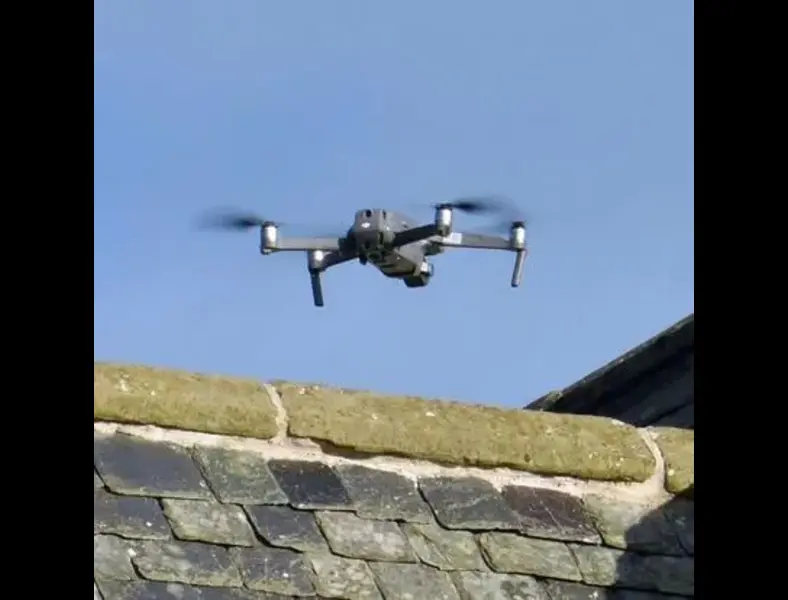
- We arrange a free site survey at a time that works for you, often using our drone.
- We provide a clear, itemised quote with no obligation.
- Work is scheduled around your operational needs — no unnecessary downtime.
Regular Roof Inspections Protect Your Derby Industrial Building Year-Round
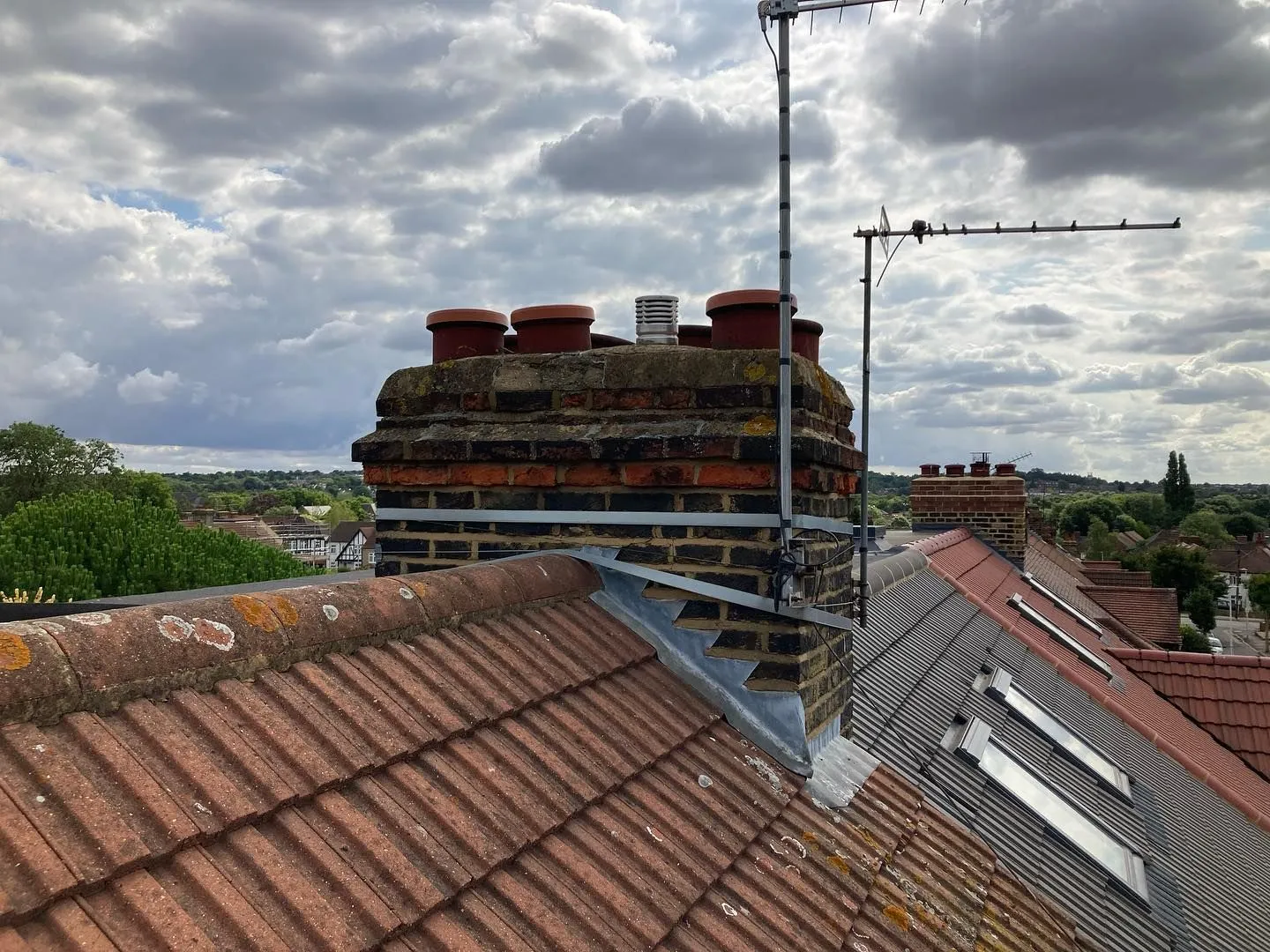
An industrial roof that is never inspected will fail sooner than it needs to. Small defects — open laps, cracked rooflights, blocked outlets — are cheap to fix when found early. Left undetected, they become emergency repairs. We recommend biannual inspections for industrial buildings across Derby: one in spring after the winter weather, one in autumn before the rain season begins. Our inspection service includes:
- A full roof walk or drone survey, depending on size and access
- A written condition report with photographs of every defect found
- A prioritised repair schedule — urgent, short-term, and planned items separated clearly
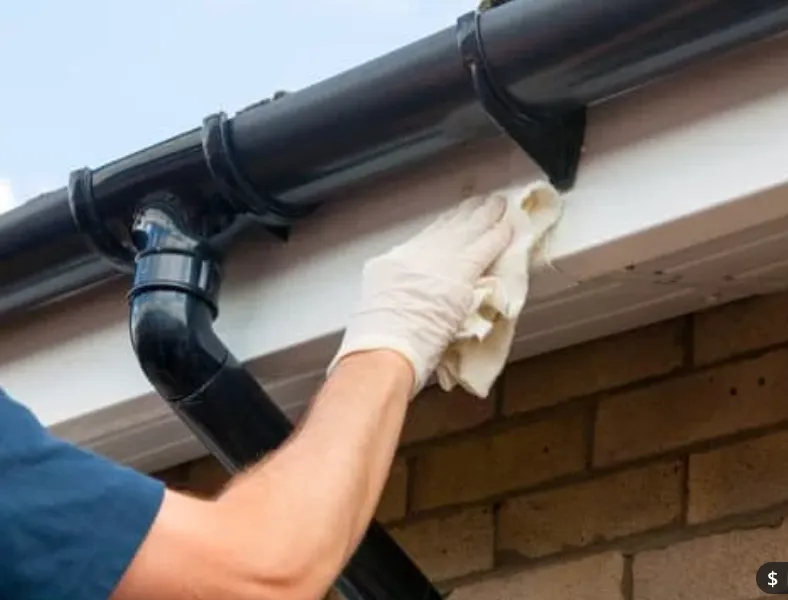
- Gutter and downpipe condition checks included as standard
- Rooflight and skylight condition assessment
- A clear recommendation: repair, over-clad, or replace — so you can plan budget with confidence
For landlords and building managers with multiple industrial units across Derbyshire, we offer planned preventive maintenance (PPM) contracts. These fix your inspection and maintenance schedule across all sites, with a single point of contact and consistent reporting. Drone inspection is available for large-span Derby roofs where foot access is not practical or safe — we use photographic and video evidence in all reports so you can see exactly what we found and where.
Health and Safety Regulations for Industrial Roofing in the UK
Industrial roofing is one of the most regulated construction activities in the UK, and rightly so. Every project we carry out on a Derby industrial site is fully compliant with current UK legislation. The key regulations that apply are:
- Work at Height Regulations 2005 — governs how workers access and work on roofs; requires risk assessment, suitable equipment, and safe systems of work
- CDM Regulations 2015 (Construction Design and Management) — applies to most industrial roofing projects; requires a pre-construction phase plan and a health and safety file on completion
- Control of Asbestos Regulations 2012 — requires a survey before any work begins on a pre-2000 building; prohibits unlicensed work on certain asbestos materials
- Health and Safety at Work Act 1974 — the overarching duty of care for all contractors and clients on a shared site
We produce site-specific method statements and risk assessments for every Derby industrial project. These are shared with your site management team before any work begins.
Repair, Over-Cladding, or Strip-and-Re-Sheet: Which Fits Your Derby Roof?
Not every industrial roof problem needs the same fix. Here’s how the three main approaches compare.
| Approach | What’s Involved | Disruption | Best Suited To |
|---|---|---|---|
| Repair | Lap sealing, sheet replacement, or cut edge corrosion treatment on the affected area | Minimal — targeted work to one section | Isolated damage where less than around a third of the roof is degraded |
| Over-cladding | New insulated panels fitted directly over the existing roof structure | Low — no strip-out or full sheet disposal | Sound existing structure, older or asbestos-cement roofs, or buildings wanting a better EPC rating |
| Strip-and-re-sheet | Full removal of the old roofing and installation of a new system | Higher, though managed bay-by-bay to keep your site running | Badly corroded sheets or decking, or a structurally compromised roof |
What We Cover: Industrial Roofing Services in Derby
We carry out the full range of industrial roofing work across Derby and Derbyshire. Our services include:
- New industrial roof installation — profiled steel, single-ply membrane, built-up felt, and fibre cement systems
- Industrial roof repair — lap sealing, sheet replacement, membrane patching, cut edge corrosion treatment
- Over-cladding and over-sheeting — new insulated panels installed over existing structure
- Strip and re-sheet — full removal of old roofing and replacement with a new system
- Asbestos-cement management — survey coordination, over-cladding, or licensed removal
- Rooflight repair and replacement — supply and fit of replacement rooflights to match existing profiles
- Industrial guttering — gutter lining, replacement, clearing, and downpipe repairs
- Roof condition surveys — written reports with photographic evidence
- Planned preventive maintenance (PPM) contracts — for single sites and multi-site portfolios
- Emergency industrial roof repairs — 24-hour response available across Derby and Derbyshire
- Roof coatings and liquid waterproofing — for extending the life of existing metal and flat roof systems
- Wall cladding repairs and replacement — matching services for industrial wall cladding alongside roof projects
What’s Not Included in an Industrial Roofing Quote
Our itemised quotes are clear about what is included and what falls outside our roofing crew’s direct scope. Two areas in particular are always coordinated with independent specialists rather than costed into the roofing work itself.
Not Included / Costed Separately
- Licensed asbestos removal itself is carried out by specialist licensed contractors we coordinate with, not performed directly by our roofing crews
- Asbestos-cement surveys are arranged through independent qualified assessors before any work on a pre-2000 roof begins, rather than assessed by us in-house
Access-Certified Crews for Working at Height on Industrial Roofs
Industrial roofs bring access challenges a house roof never does: wide spans, rooftop plant, and a working floor underneath that can’t stop while scaffolding goes up in the wrong place. Our team holds IPAF certification for operating powered access platforms and PASMA certification for mobile access towers, so the right access method is used safely on every Derby site, whether that’s a MEWP for a Pride Park warehouse or a tower for a tighter Litchurch unit.
Paired with over 20 years working on Derby and Derbyshire’s industrial building stock, access is planned properly before anyone gets on the roof, not worked out on the day.
Areas We Work — Industrial Roofing Installation & Repair in Derby
Derby Roofers proudly serves businesses throughout Derby city and the wider Derbyshire area for industrial roofing installation and repair. Not sure if we cover your area? Call us on 01332-529704 and we’ll be happy to help.
- Derby City Centre (DE1)
- Allestree, Mackworth & Quarndon (DE22)
- Mickleover (DE3)
- Littleover & Normanton (DE23)
- Chaddesden, Oakwood & Spondon (DE21)
- Alvaston, Crewton & Osmaston (DE24)
- Belper (DE56)
- Ripley (DE5)
- Ilkeston (DE7)
- Heanor (DE75)
- Swadlincote (DE11)
- Ashbourne (DE6)
- Matlock (DE4)
- Borrowash & Draycott (DE72)
- Etwall & Hilton (DE65)
- Melbourne & Chellaston (DE73)
- Duffield & Little Eaton (DE56 / DE21)
- Breadsall & Darley Abbey (DE21 / DE22)
- Long Eaton (NG10)
- Castle Donington (DE74)
Frequently Asked Questions About Industrial Roofing Installation & Repair
How Do I Know If My Industrial Roof Needs Repairing or Replacing?
A repair is the right choice when damage is isolated to a small area and the rest of the roof structure is sound. If more than around a third of the surface is degraded, or the deck or insulation has taken on water, replacement or over-cladding will give you better value. A free survey from Derby Roofers gives you a clear answer specific to your building.
How Much Does Industrial Roofing Cost in the UK?
Industrial roofing costs vary based on roof size, material choice, access requirements, and whether asbestos is present. A targeted repair is far less expensive than a full re-sheet. Over-cladding typically costs less than strip-and-replace because it removes the labour of full sheet disposal. We provide detailed, itemised quotes — no hidden costs and no obligation. Call 01332-529704 to book your free site survey.
Can You Work on My Derby Industrial Site While It Stays Operational?
Yes — we plan every industrial project around your site’s working pattern. We use phased bay-by-bay working, temporary weatherproofing between shifts, and out-of-hours scheduling where needed. A method statement covering sequencing and access is prepared before work starts on any Derby site.
My Derby Warehouse Was Built in the 1970s — Could It Have Asbestos Roofing?
Any pre-1999 industrial building may contain asbestos-cement profiled sheets. You cannot confirm it visually. We coordinate with qualified surveyors to assess the roof before any work begins. This is a legal requirement under the Control of Asbestos Regulations 2012 — we will not start work without the correct documentation in place.
What Causes Industrial Roof Leaks and How Are They Fixed?
The most common causes on Derby industrial roofs are failed lap joints between sheets, cut edge corrosion on profiled metal, cracked or displaced rooflights, and blocked gutters causing water to back up under sheets. Repairs are matched to the cause — lap sealing, sheet replacement, rooflight swap, or gutter clearance. We diagnose before we quote.
How Often Should an Industrial Roof in Derby Be Inspected?
Twice a year is best practice. A spring inspection finds damage from the winter freeze-thaw cycle. An autumn inspection catches open defects before Derby’s wet season. We provide written reports with photographs after every survey.
What Is the Difference Between Over-Cladding and Strip-and-Re-Sheet?
Over-cladding installs new profiled sheets directly over your existing roof without removing the old material. It is faster, lower in cost, and causes less disruption, and is the preferred method where the existing structure is sound. Strip-and-re-sheet involves fully removing the old roof and starting fresh. This is required where the existing sheets or decking are badly corroded or structurally compromised. We recommend the right option after a site survey.
Does Industrial Roofing Work in the UK Have to Follow Specific Regulations?
Yes. The Work at Height Regulations 2005, CDM Regulations 2015, and the Control of Asbestos Regulations 2012 all apply to industrial roofing work. All Derby Roofers projects on industrial sites include site-specific method statements and risk assessments, and we work fully compliant with current HSE requirements.
Do You Handle Skip Permits and Scaffold Licences with the Council?
Yes. If a skip or scaffold needs to sit on the road or pavement rather than within the site boundary, we arrange the permit with the relevant council as part of the job.
Ready to Book Your Free Industrial Roof Survey?
Your industrial roof is one of the most valuable assets protecting your business. A damaged or failing roof risks stock, equipment, your workforce, and your ability to trade.
Derby Roofers has been working on industrial buildings across Derby and Derbyshire for over 20 years. We know the building types, the common failure points, and the most cost-effective routes to a repair or replacement that lasts.
- ✅ Free site survey with a clear, itemised, no-obligation quote
- ✅ 24-hour emergency call-out response across Derby & Derbyshire
- ✅ IPAF & PASMA-certified access team
- ✅ Work scheduled around your operations, no unnecessary downtime
Call us now on 01332-529704, or use the contact form. We answer every call and respond to every message — because your building is our business.