Green Roof Installation Derby | GRO Code Certified
Call: 01332-529704
Turn a flat roof, garage, extension or commercial unit in Derby into a living, working surface — sedum, wildflower and intensive green roof systems, installed to the GRO Green Roof Code.
- Free Structural Survey
- Written Quote, No Obligation
- IPAF & PASMA-Certified Team
- GRO Green Roof Code Compliant
Green Roof Installation in Derby — Turn a Bare Flat Roof Into a Living, Working Asset
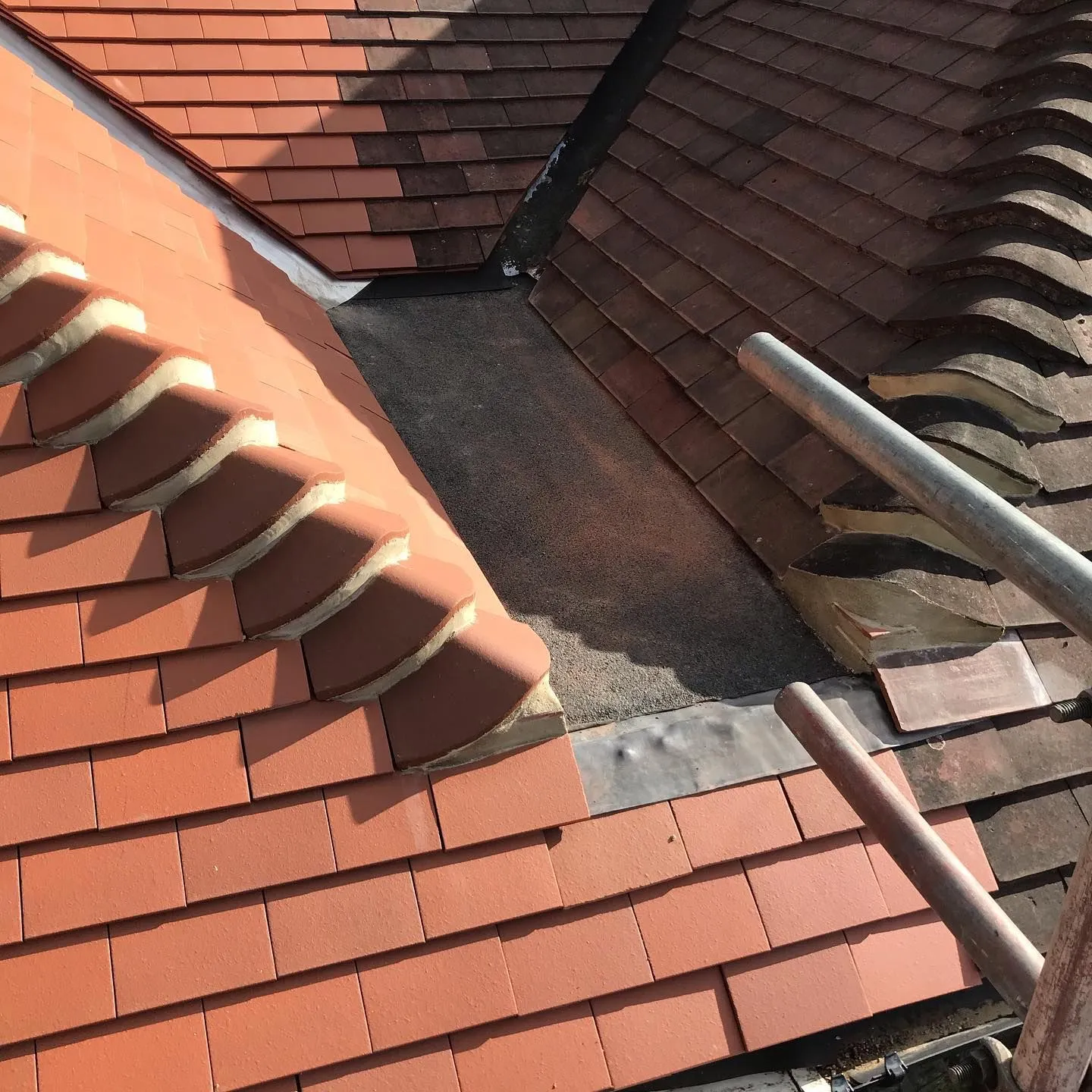
A green roof replaces a bare flat roof deck with layers of membrane, drainage and living planting, extending the life of the waterproofing underneath while turning a garage, extension or commercial unit into a working, insulating surface instead of a stretch of felt or GRP. We install both extensive sedum systems and deeper intensive planting schemes to the GRO Green Roof Code, starting with a free structural survey to confirm the roof can carry the extra weight before any materials go on site.
Green roof installation in Derby is no longer just for large commercial buildings or eco-developments. More homeowners and property owners across Derby and Derbyshire are choosing living roof systems to put their flat and low-pitch roofs to practical use — reducing heat, managing rainwater, and adding real value to their property.
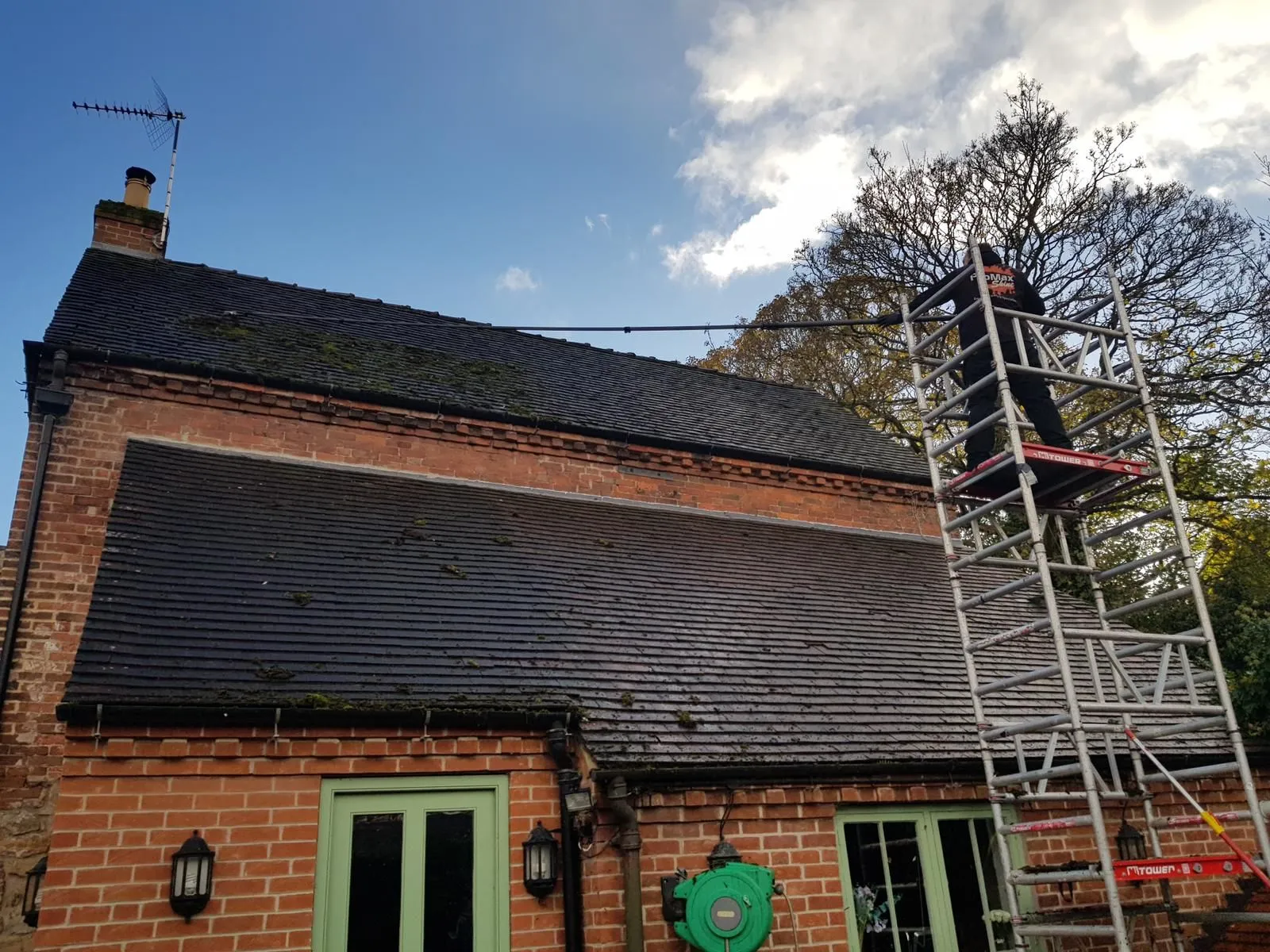
- IPAF and PASMA-certified operators for safe access to flat, commercial and terrace roofs during installation
- Free structural survey with a written quote before any work begins — no call-out fees
- Over 20 years installing and repairing roofs across Derby and Derbyshire
Green Roofs Work Well on Derby Homes and Commercial Buildings
If you own a flat-roof extension, a garage, an outbuilding or a commercial unit in Derby, a green roof is a practical option. Properties across Spondon and Pride Park are good candidates, as are the many flat-roof extensions built on Derby terraces over the decades.
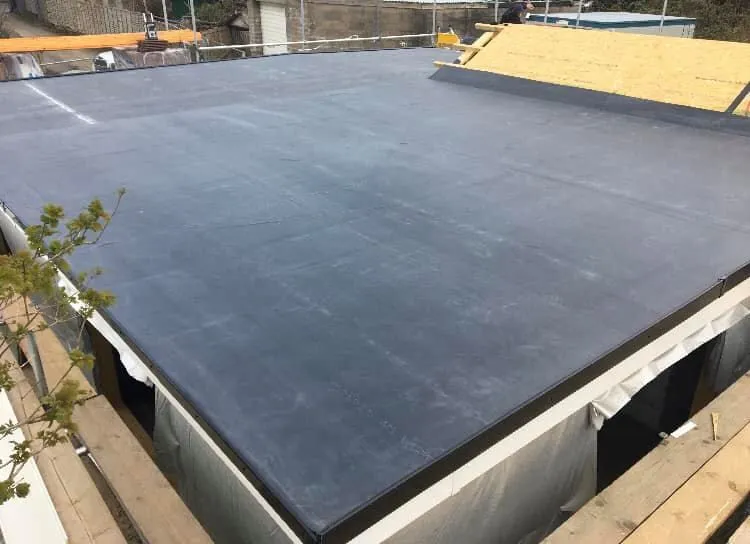
A green roof replaces a bare, heat-absorbing surface with a living layer that insulates, absorbs rain and lasts. EPDM rubber roofs and single ply membranes — both common in Derby — are well-suited bases for a green roof system. If your flat roof gets very hot in summer, a sedum layer directly reduces that heat build-up by absorbing UV energy rather than radiating it back into the building.
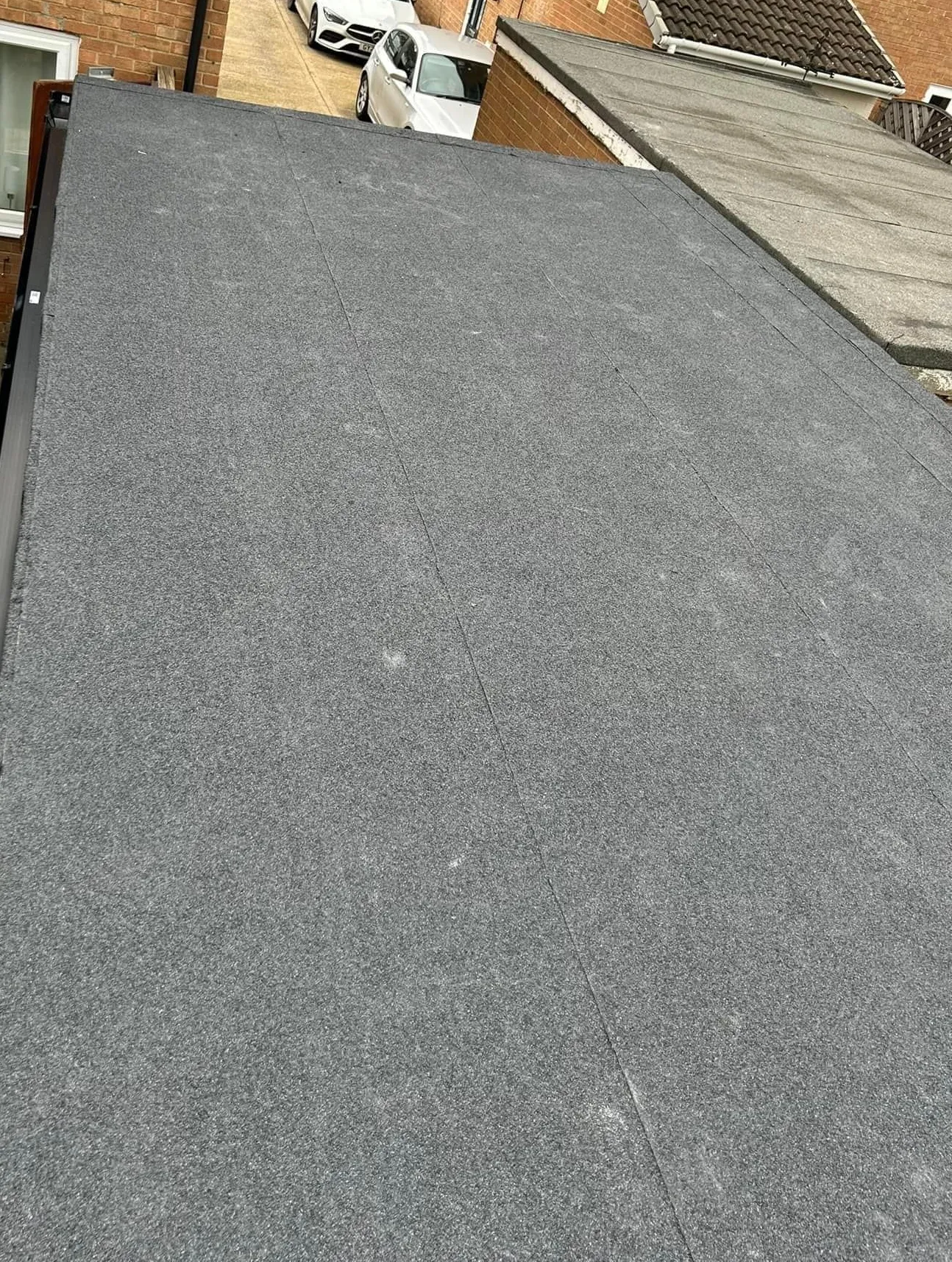
Common property types we install green roofs on in Derby:
- Flat-roof rear extensions and kitchen extensions
- Garages and double garages
- Garden offices, studios and outbuildings
- Commercial flat roofs on retail and industrial units
- New build properties where planners require a sustainable roofing solution
How a Green Roof System Is Built — Layer by Layer
A green roof is not just soil and plants dropped onto a flat roof. It is a carefully ordered system, and each layer has a specific job to do. Getting the layers right is what makes the difference between a green roof that thrives for decades and one that causes problems. Here is how we build it, from the roof deck up.
- Waterproof membrane — the base of the whole system. It sits directly on your roof deck and protects the structure beneath from moisture. Without a sound membrane, nothing else works.
- Root barrier — this thin but important layer stops plant roots from pushing down into the membrane over time, protecting your roof structure as the plants grow and spread.
- Drainage layer — manages water movement across the roof, allowing excess rainwater to drain away freely and stopping the system from becoming waterlogged.
- Filter layer — a fine layer that sits above the drainage layer and stops the growing substrate from washing down and blocking the drainage beneath.
- Growing substrate — what the plants grow in. For extensive systems such as sedum roofs, we use a lightweight substrate, sometimes wool-based, to keep the load on your roof structure as low as possible. Intensive systems use a deeper, heavier growing medium to support a wider range of plants.
- Planting layer — the top layer where the plants go. Depending on the system you choose, this may be pre-grown sedum mats laid like turf, individual plug plants, or a wildflower mix.
We install all green roof systems to the standards set out in the GRO Green Roof Code — the UK industry code of practice for green roof installation.
Extensive or Intensive — Which System Is Right for You?
Once we know your roof structure and what you want from the system, we recommend one of two approaches. Extensive green roofs use a shallow, lightweight substrate and are planted with hardy, low-growing species. This is the most popular choice for garages, extensions and flat roofs across Derby.
Intensive green roofs use a deeper substrate and can support grasses, shrubs and perennials. They are better suited to roof terraces and larger commercial builds where a more garden-like finish is wanted, and they require a roof structure that can carry the additional weight.
| Feature | Extensive System | Intensive System |
|---|---|---|
| Substrate depth | Around 60–150mm | 150mm or more |
| Typical planting | Sedum, stonecrop, wildflower mixes | Grasses, shrubs, perennials |
| Roof weight added | Lightweight, suits most standard roofs | Heavier, needs a stronger structure |
| Maintenance | Minimal — one or two light checks a year | Regular, closer to a planted garden |
| Best suited to | Garages, extensions, most flat roofs | Roof terraces, larger commercial builds |
Most Derby homeowners choose an extensive sedum system. It is lightweight, low-maintenance and well-suited to the East Midlands climate. We confirm the right option for your property at the survey stage.
Sedum and Wildflower Systems Last Decades With Low Upkeep
Extensive green roofs — sedum, stonecrop and wildflower mixes — are designed to look after themselves once established. You do not need to water them regularly. Derby’s rainfall handles most of that through the year.
- At installation — the roof looks sparse; pre-grown mats or plugs are laid but plants need time to root
- At 3–6 months — plants begin to establish and spread; colour starts to come through in spring and summer
- At 12 months — a well-installed sedum roof is fully established, dense and self-sustaining
- Beyond year one — the system effectively manages itself, with only light seasonal checks needed
Seasonal upkeep is light. Once or twice a year, check for invasive plants that have settled in and remove them, and clear the drainage outlets. That is generally all that is needed. A correctly installed membrane beneath the system can outlast a standard flat roof by many years — the planted layer protects it from UV damage and temperature extremes.
Your Derby Property May Not Need Planning Permission for a Green Roof
Most domestic green roof retrofits in Derby fall under permitted development. That means no planning application and no council fees. You can go ahead once a structural survey confirms the roof is suitable.
There are exceptions. If your property is a listed building, or sits within a conservation area such as parts of Mickleover or Allestree, you should check with Derby City Council before work begins. We advise on this as part of our free survey — we will tell you what applies to your property before you commit to anything.
For new builds and commercial developments in Derbyshire, planners increasingly expect green roofs as part of sustainability requirements. Biodiversity Net Gain legislation now applies to many new build projects across England, and green roofs are a recognised way to meet those targets. We work with developers and architects at the specification stage to meet those requirements from the outset.
Spring and Autumn Are the Best Times to Install a Green Roof in Derbyshire
Timing matters for plant establishment. Spring and early autumn give sedum and wildflower plants the best conditions to root before facing extreme temperatures.
Derby’s East Midlands climate can bring late frosts well into April. A March install carries some risk; mid-April to May is a safer spring window. September installations give plants several weeks of mild weather to establish before the first winter frosts arrive.
Summer installs are possible but plants may struggle in dry spells without additional watering in the first weeks. Winter installs are not ideal — establishment is slower and there is frost risk during the rooting period. Book four to six weeks ahead to allow time for a survey, material ordering and scheduling.
Green Roof Installation Adds Real Value to Flat Roof Structures
A green roof does more than look good. It works hard for the building underneath it. Key benefits for Derby properties:
- Membrane protection — the planting layer shields the waterproof membrane from UV rays and daily temperature swings, extending its life significantly
- Insulation — reduces heat gain in summer and slows heat loss in winter, lowering energy bills
- Surface water management — green roofs absorb rainfall and slow runoff, which matters on properties near Derby’s River Derwent flood plain
- Biodiversity — sedum and wildflower roofs attract bees, butterflies and other pollinators into urban Derby gardens
- Aesthetic value — a planted rooftop visible from upper floors or neighbouring properties adds a distinctive, attractive finish
- Property value — a professionally installed green roof is an increasingly valued feature, particularly on commercial and mixed-use buildings
For larger flat roofs, a biosolar approach is worth considering. Green roof substrate and solar panels can coexist on the same roof — the plants help keep panels cooler, which can improve their output. Councils and planners across Derbyshire increasingly favour this combination on new commercial builds.
A Healthy Green Roof Starts With the Right Structural Assessment
Before any green roof system goes on, we check that the roof can carry it. An extensive sedum system is lightweight, but it still adds load — especially when the substrate is saturated after rain.
- Load-bearing capacity of the roof structure
- Condition of the existing membrane — if it is degraded, we replace it before adding a green system on top
- Drainage and fall — water must be able to move freely off the roof
- Access for installation and future maintenance
- Roof age — membranes over ten years old are typically replaced before a green system is installed on top
Pre-grown tray kits are available as a DIY option, but they skip this assessment stage. An incorrectly loaded roof or a compromised membrane underneath a green system can cause serious structural problems. A professional installation by Derby Roofers includes the full survey, correct layer sequencing and a written quote before any work starts.
Older Derby properties — particularly 1930s to 1960s flat-roof extensions in Chaddesden and Mackworth — often need a membrane renewal before a green system can be installed. We handle both in one visit.
From First Call to a Fully Established Green Roof
A green roof installation follows a structured process. Here is what happens on your Derby property from first enquiry through to an established, self-sustaining roof.
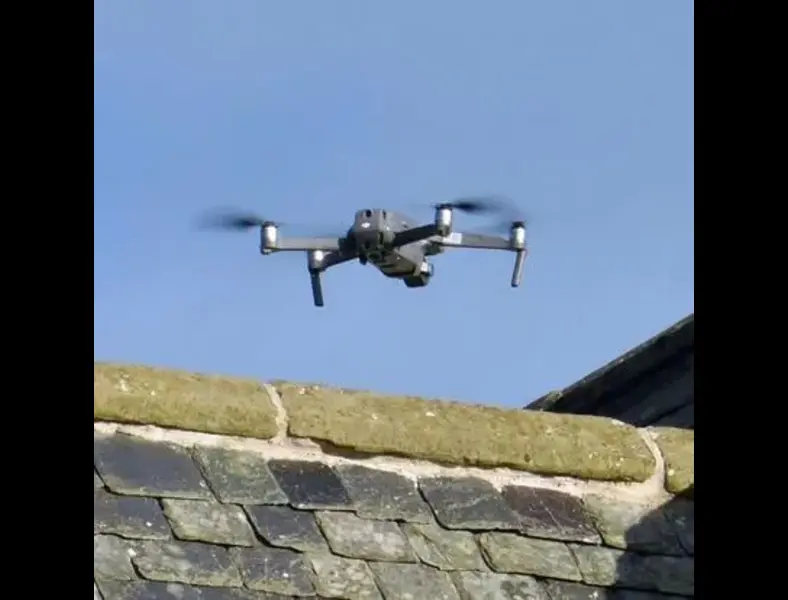
- Call or enquire online: contact Derby Roofers by phone or the online form to book a free structural survey, with a drone survey available for roofs that are hard to access.
- Structural survey: we check load-bearing capacity, the condition of the existing membrane, drainage and fall, and access for installation and future maintenance.
- System recommendation and written quote: based on the survey we recommend an extensive or intensive system suited to your roof and budget, then provide a written quote with no obligation.
- Membrane preparation: where the existing membrane is degraded or more than ten years old, we renew it in the same visit before the green roof system goes on.
- Layer-by-layer installation: root barrier, drainage layer, filter layer, growing substrate and planting are installed in sequence to the GRO Green Roof Code.
- Establishment and light maintenance: the roof looks sparse at first; plants root and spread over the following months and are typically fully established within a year, needing only one or two light checks annually after that.
What Affects the Price of a Green Roof in Derby
There is no fixed price list for green roof installation because cost depends on what your roof needs rather than a flat rate. The main factors are:
- The system chosen — extensive sedum and wildflower systems generally cost less than deeper intensive systems
- The size of the roof
- Whether the existing membrane needs renewing before the green system goes on
- Access for materials and equipment
- The plant format used — pre-grown mats, plug plants, or a wildflower mix
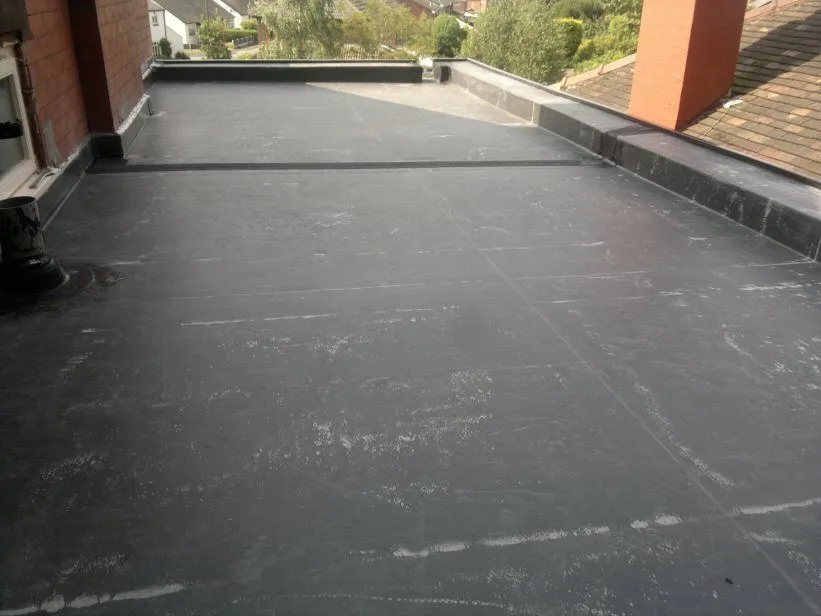
A roof that also needs membrane renewal or turns out to need extra structural work will cost more than one that’s already sound and ready. Because of these variables, we don’t quote over the phone. A full, accurate figure follows the free structural survey, which produces a written no-obligation quote before any work is agreed.
What Your Derby Green Roof Quote Covers
- Free structural survey checking load-bearing capacity, membrane condition, drainage and access
- Choice of extensive system (sedum, stonecrop, wildflower) or intensive system (deeper substrate, grasses, shrubs, perennials)
- Full six-layer build: waterproof membrane, root barrier, drainage layer, filter layer, growing substrate and planting layer
- Membrane renewal in the same visit if the existing membrane is degraded or over ten years old
- Installation carried out to the GRO Green Roof Code
- Written, no-obligation quote before work starts
- Advice on planning permission status, including listed building and conservation area exceptions
Not Included / Costed Separately
- Structural reinforcement if the survey shows the roof cannot carry the extra load — priced separately once identified
- Ongoing horticultural maintenance contracts beyond the light annual checks described on this page
- Solar panel supply and fitting for biosolar combinations — arranged with a separate installer
- Planning application fees where a listed building or conservation area requires one
- Extra watering or irrigation for summer installations, where dry spells can slow plant establishment
Why Choose Derby Roofers For Your Green Roof Installation?
Over 20 Years of Local Experience. We have been installing and repairing roofs across Derby and Derbyshire for over 20 years. Most of our green roof work sits within the city itself, from garage and extension roofs in suburbs like Mickleover, Chaddesden, Oakwood and Allestree to flat-roofed commercial units around Pride Park and the Wyvern Business Park.
GRO Green Roof Code Compliant
Every installation follows the GRO Green Roof Code, the UK industry code of practice, so each layer is sequenced correctly for a system that lasts.
Free Structural Survey First
We check load-bearing capacity, membrane condition, drainage and access before recommending a system, so you know your roof can carry it before anything is agreed.
IPAF and PASMA-Certified Access
Our team holds IPAF and PASMA certification, so whichever access equipment a roof needs, it's operated by trained people.
No Call-Out Fees, No Hard Sell
There are no hard-sell tactics and no call-out fees. Just straightforward, local advice from a Derby roofing contractor.
We Actually Answer the Phone
We respond to every call and every email. If you leave a message, we call back.