Flat Roof Problems in Derby: Causes, Costs & When to Call a Roofer
Call: 01332-529704
A diagnostic guide for Derby homeowners — the six most common flat roof problems, what causes them locally, realistic repair and replacement costs, and how to tell when it is time to call a professional.
- Free Drone Roof Survey
- Written, Itemised Quotes
- IPAF & PASMA-Certified Team
- Honest Repair-or-Replace Advice
Why This Guide Exists — and Why Most Flat Roof Problems Don’t Mean a Full Replacement
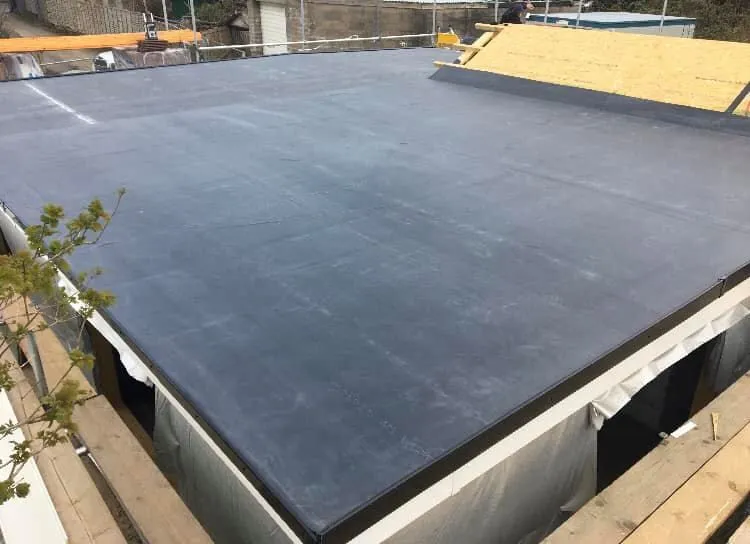
Flat roofs are everywhere across Derby and Derbyshire — extensions in Chaddesden, garages in Mickleover, bay windows in Normanton. They are part of the housing stock here, and when one develops a problem, it rarely fixes itself.
A small damp patch on a ceiling can be the first sign. Left alone, it grows: water works its way into the deck, the insulation, and eventually the structure below. What starts as a contained £200 patch repair can turn into a £2,000 job inside a single Derby winter.
This guide covers the six most common flat roof problems we see across Derby, what causes them, realistic 2025 repair and replacement costs, and when to call a professional rather than wait it out. If you want an honest read on your own roof, call Derby Roofers on 01332-529704 — we offer a free drone roof survey with no obligation.
Why Do Flat Roofs Cause Problems in Derby?
Flat roofs are not inherently flawed — a well-installed roof with the right materials protects a Derby home for decades. Problems arise from a combination of factors, and Derby’s climate is one of the biggest.
Derby sits in the East Midlands with damp autumns, cold winters and wet springs. Freeze-thaw cycles through December, January and February put real stress on flat roof membranes: water gets into a small crack, freezes overnight, and widens the gap. By spring, you have a leak. Temperature swings also cause membranes to expand and contract, which over years weakens seams and pulls flashings away from walls.
The other major cause is poor original installation. A flat roof needs a slight fall — a gentle slope toward the drainage outlet. Without it, water pools, adds weight, stresses the membrane, and finds every weak point. We regularly inspect Derby roofs where the original contractor did not get the fall right.
Derby’s housing stock adds its own challenges too: post-war extensions in Spondon and Chaddesden often have original felt roofs well past their expected lifespan, and Victorian terraces in Normanton frequently have small bay window roofs with lead or felt that has never been replaced.
The 6 Most Common Flat Roof Problems We See in Derby
If you have spotted any of these signs on your Derby property, contact Derby Roofers for a free assessment.
- Leaks and water ingress — water through the ceiling is the clearest sign of failure, but the entry point is often not directly above the stain. Water travels along joists and deck boards before it drips, so a proper inspection is the only way to find the true source.
- Ponding water — a flat roof should drain within 48 hours of rainfall. A puddle still visible two days after rain points to a blocked outlet, a sagging deck, or an incorrect fall from the original installation, and it accelerates membrane breakdown.
- Blistering and bubbling — blisters form when moisture or air becomes trapped beneath the membrane, very common on older Derby felt roofs. Small blisters aren’t always urgent, but once they crack or pop, water gets in and the damage spreads fast.
- Cracked or splitting membrane — felt and modified bitumen become brittle over time from UV exposure, thermal movement and age. Once the membrane splits, there is a direct route for water into the deck and insulation below.
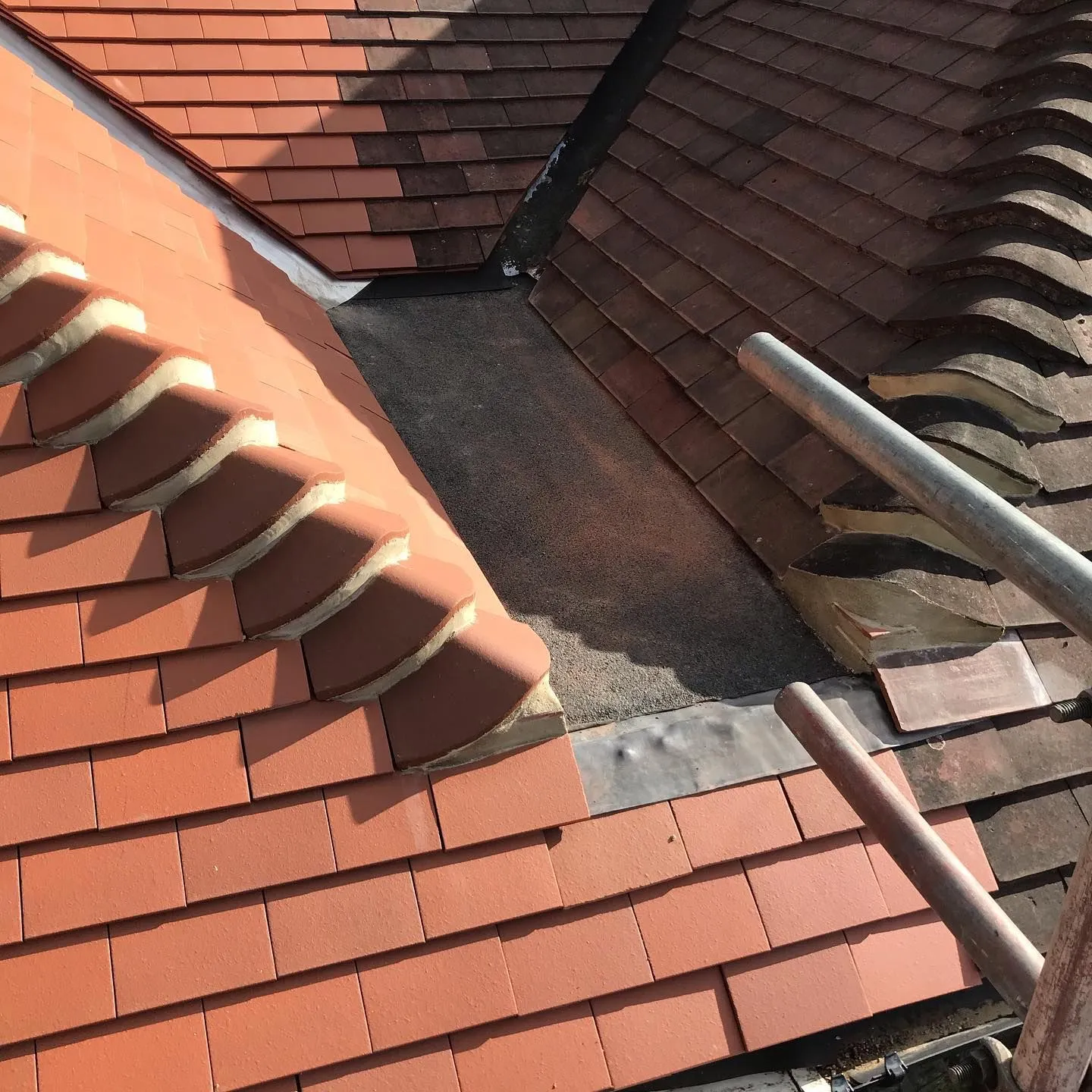
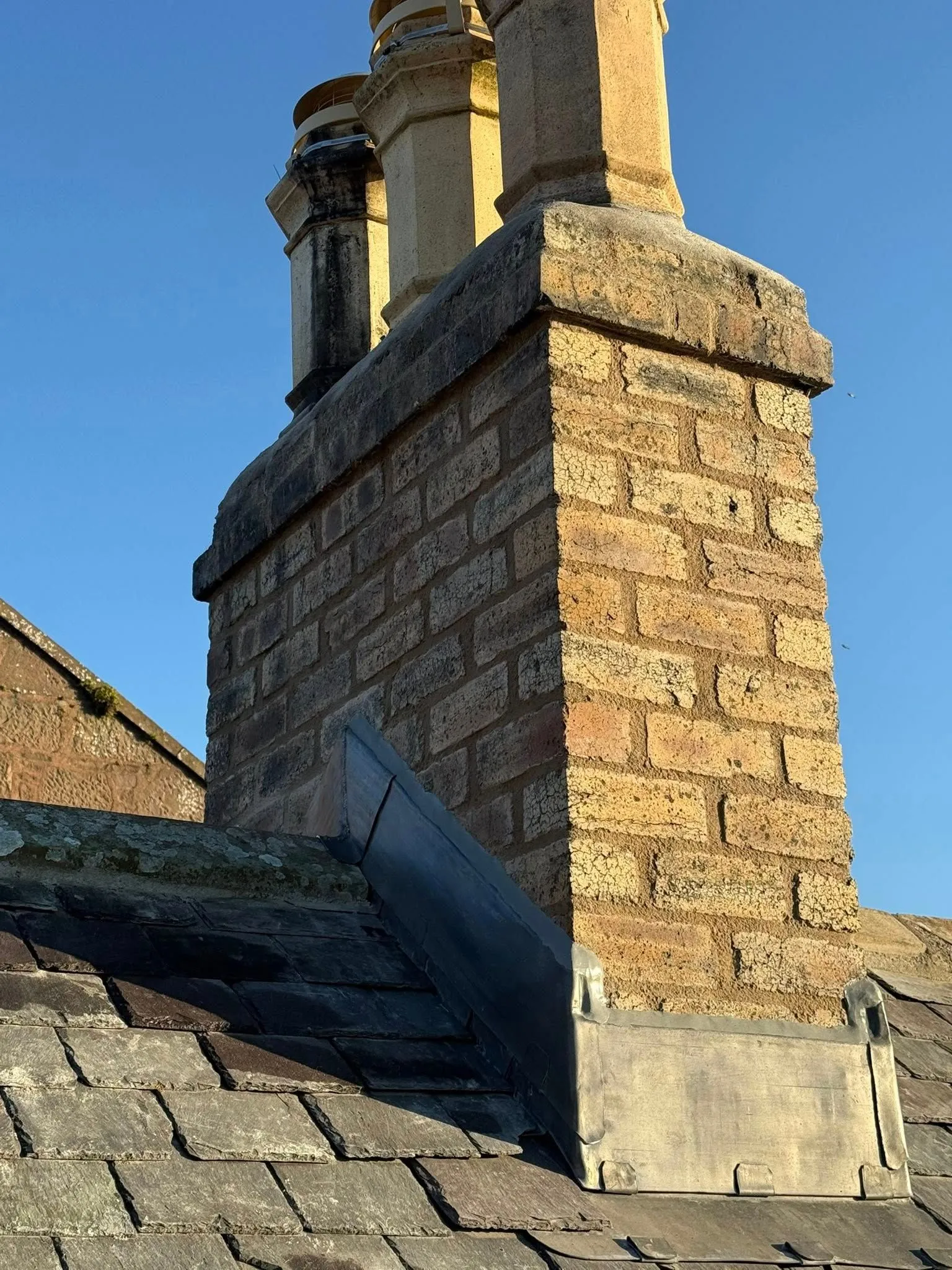
- Failed flashings — flashings seal the joint where a flat roof meets a wall, parapet or chimney stack. Lead and mortar flashings around chimneys and dormer walls are a frequent source of Derby leaks, and this is often repairable without a full roof replacement.
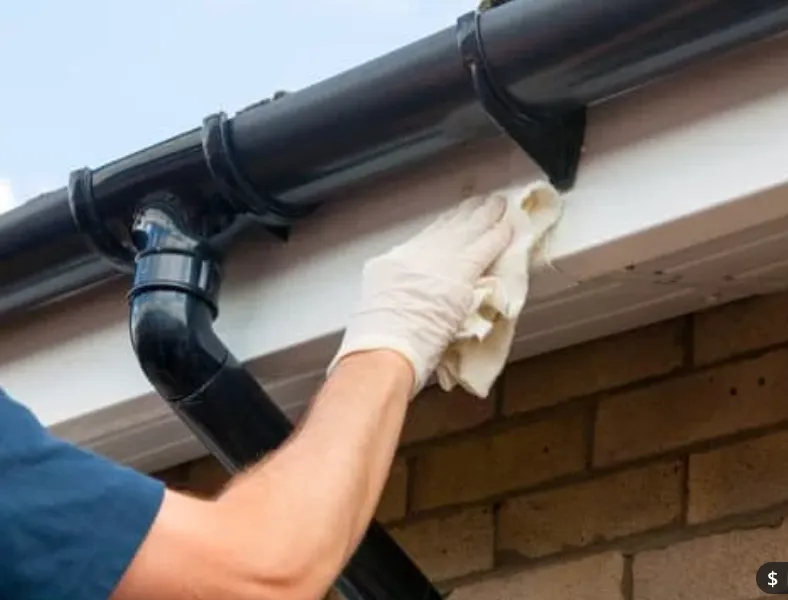
- Blocked drains and gutters — autumn in Derbyshire means falling leaves, and flat roofs collect them quickly. A blocked outlet stops the roof draining, water backs up and eventually finds a way in. Clearing outlets in October and again in March is one of the most effective things you can do to extend a flat roof’s life.
How Long Should a Flat Roof Last?
Lifespan depends on the material and the quality of installation. Here is a realistic guide for Derby conditions.
| Material | Typical Lifespan | Best Suited To |
|---|---|---|
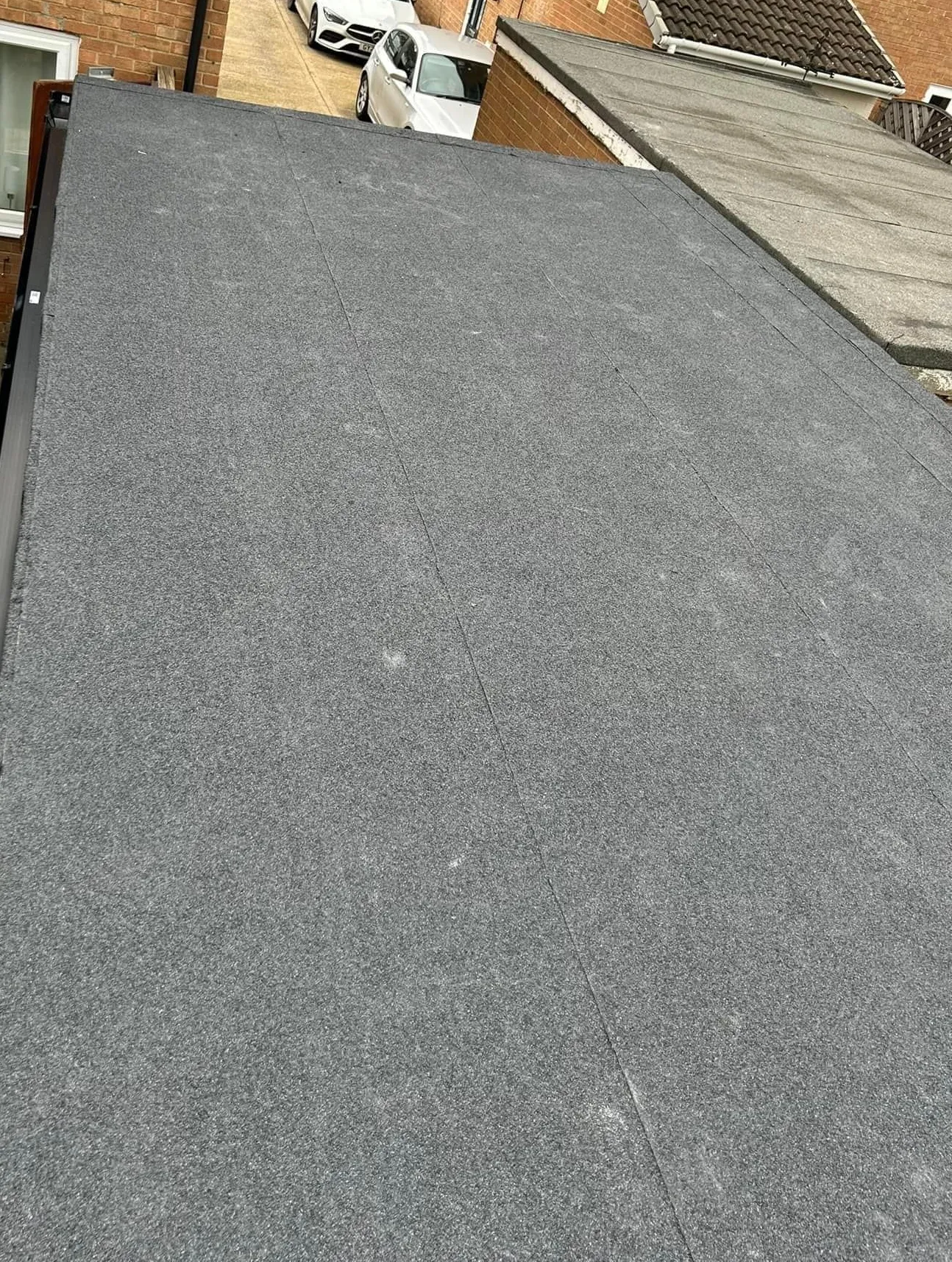
| Traditional felt (built-up) | 10–20 years | Garages and outbuildings |
| Modified bitumen (torch-on) | 15–25 years | Garages and commercial roofs |
| GRP fibreglass | 20–30 years | Extensions and bay windows |
| EPDM rubber | 25–40 years | Extensions and garages |
| Single ply PVC/TPO | 30–40+ years | Commercial flat roofs |
Derby’s freeze-thaw winters are particularly hard on older felt roofs — a felt roof that might last 20 years in a milder southern climate often shows failure signs closer to 12–15 years on an exposed Derby property. The single biggest factor in lifespan is the quality of the original installation, not just the material.
Felt, EPDM or GRP — Which Material Lasts Longest?
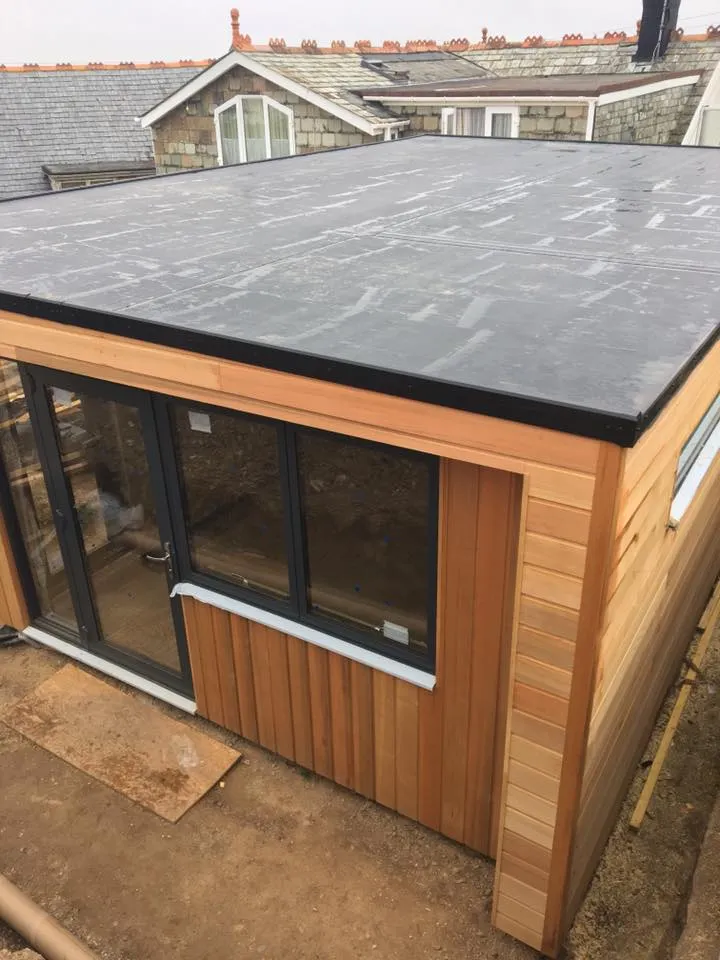
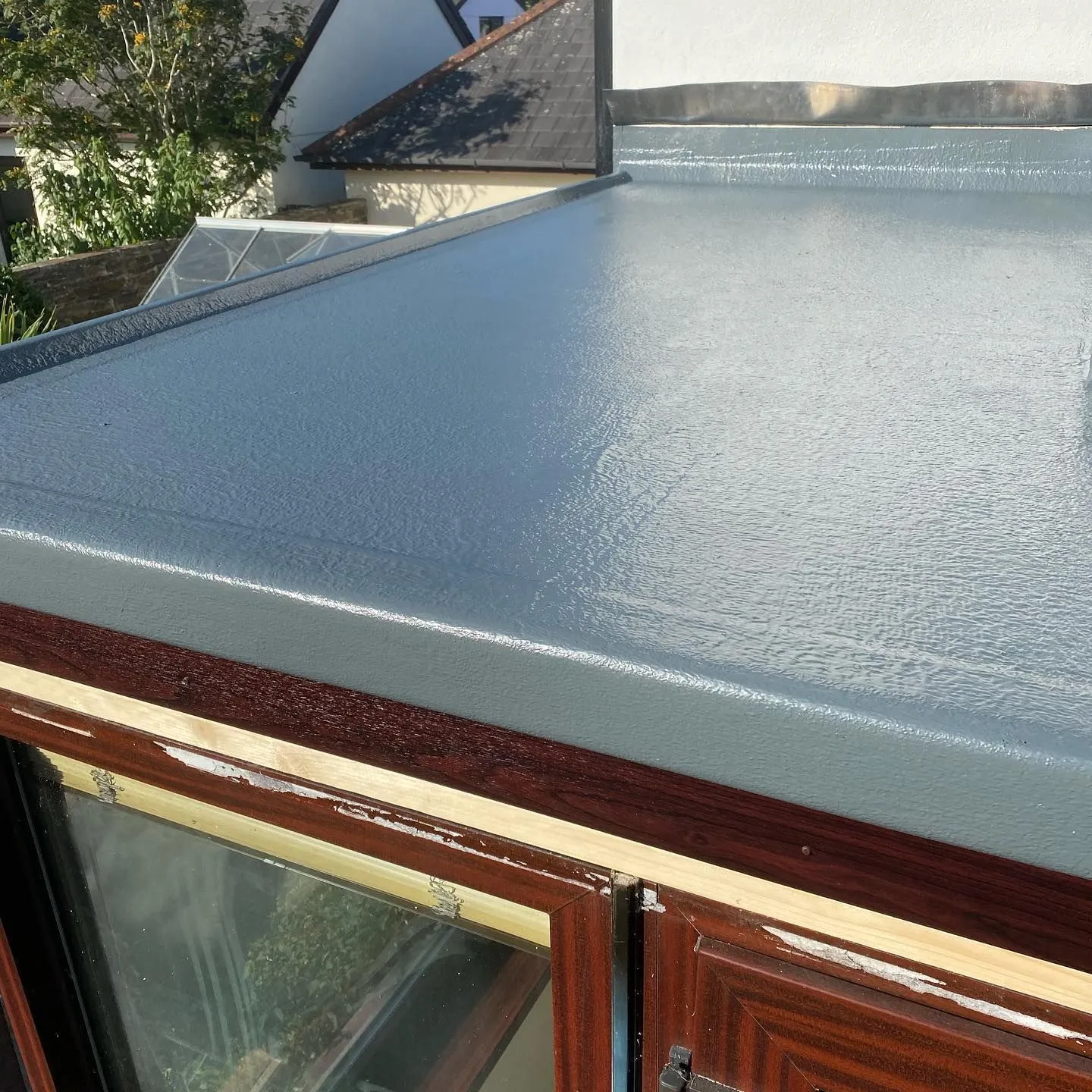
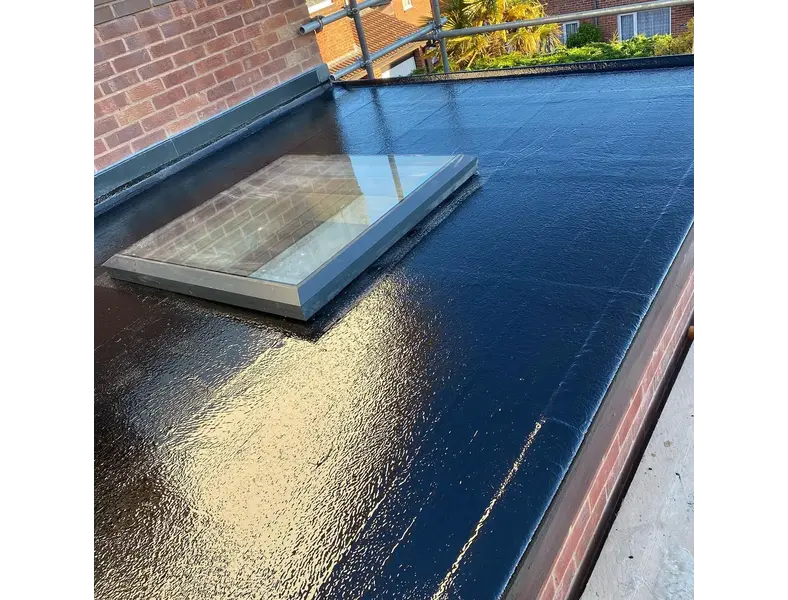
There is no single right answer — it depends on your roof shape, budget and how the space is used. In short: felt is the lowest upfront cost and shortest lifespan, best suited to a garage or outbuilding. EPDM rubber is a flexible membrane that handles Derby’s temperature swings well and is our most commonly recommended material for domestic flat roofs. GRP fibreglass gives a rigid, seamless finish that suits smaller, detailed roofs like bay windows.
Building Regulations require a warm roof construction for any new flat roof installation or replacement of more than 25% of the existing deck — we advise on Part L compliance as part of every free survey.
For a full side-by-side breakdown of felt, EPDM and GRP — installation method, maintenance and cost per square metre — see our dedicated EPDM vs GRP vs Felt Roofing Derby comparison guide.
What Does Flat Roof Repair or Replacement Cost in Derby?
These figures include materials and labour and are realistic Derby price guides for 2025. Costs vary depending on roof size, material, deck condition and access.
| Job | Typical Cost (2025) |
|---|---|
| Patch repair (blister, small split) | £150–£400 |
| Flashing repair or replacement | £200–£500 |
| Section replacement (1–3 m²) | £400–£800 |
| Blocked outlet clearance & minor reseal | £100–£200 |
| Small porch/bay window full replacement (up to 5 m²) | £600–£1,500 |
| Garage/standard extension full replacement (15–30 m²) | £1,500–£4,500 |
| Larger residential flat roof (30–60 m²) | £4,000–£8,000+ |
Additional costs to budget for: deck replacement if existing boards are rotten or soft (common on older Derby felt roofs), scaffolding for two-storey or difficult-access roofs at roughly £300–£600 per week, and an insulation upgrade where Building Regs Part L applies to your project.
One thing we hear regularly from Derby homeowners: they received a quote without anyone visiting the property. That is a red flag — no roofer can accurately price a flat roof job without inspecting the deck, drainage and flashings first. We survey every job before quoting, using our drone where access is difficult.
Should You Repair or Replace Your Flat Roof?
Consider a repair if:
- The damage is localised to one area
- The roof deck feels firm with no soft spots
- The roof is under 12–15 years old (felt) or under 20 years old (EPDM/GRP)
- You have not had repeat leaks from the same area
Consider a replacement if:
- Leaks are recurring or appearing in multiple locations
- The deck has soft or spongy areas when walked on
- Large sections of the membrane are cracked, blistered or separating
- Your roof is over 20 years old and has never been replaced
- The original installation was poor quality and repairs have not held
A useful rule of thumb: if the cost of a repair is more than half the cost of a full replacement, the replacement usually offers better long-term value — and gives you the chance to correct the drainage fall, upgrade insulation and start with a fresh warranty.
For a detailed head-to-head comparison covering both pitched and flat roofs, see our Roof Repair vs Roof Replacement decision guide. If a repair is what your roof needs, our Flat Roof Repair Derby page covers that service directly.
Is a Flat Roof Covered by Home Insurance — and When Should You Call a Roofer?
Most home insurance policies cover sudden, accidental damage to a flat roof — storm damage after high winds, or impact from a fallen branch. Gradual wear and tear, poor maintenance and pre-existing defects are typically excluded.
Flat roofs can also affect your premium or policy terms. If your home has a flat roof, declare it when taking out cover and check the insurer’s expectations around maintenance and inspection frequency — some require regular inspection by a qualified contractor.
If your flat roof is damaged in a storm, report it to your insurer promptly and document the damage with photographs before any emergency work. We provide written condition reports that document the extent and likely cause of damage — useful evidence for a claim. For the full claims process, see our Storm Damage & Roof Insurance Claims guide.
When to Call a Roofer Immediately — and When to Book a Routine Inspection
Call a roofer immediately if:
- You have an active leak during rain
- You can see daylight through your ceiling or into the roof space
- Large areas of standing water are present after heavy rain
- The ceiling feels soft or is showing signs of structural stress
- You have had storm damage — fallen branches, displaced flashings
Book a routine inspection:
- Once a year as a minimum — we recommend spring and autumn
- After any significant storm event in Derby or Derbyshire
- Before purchasing a property with a flat roof
- If your flat roof is approaching the end of its expected lifespan
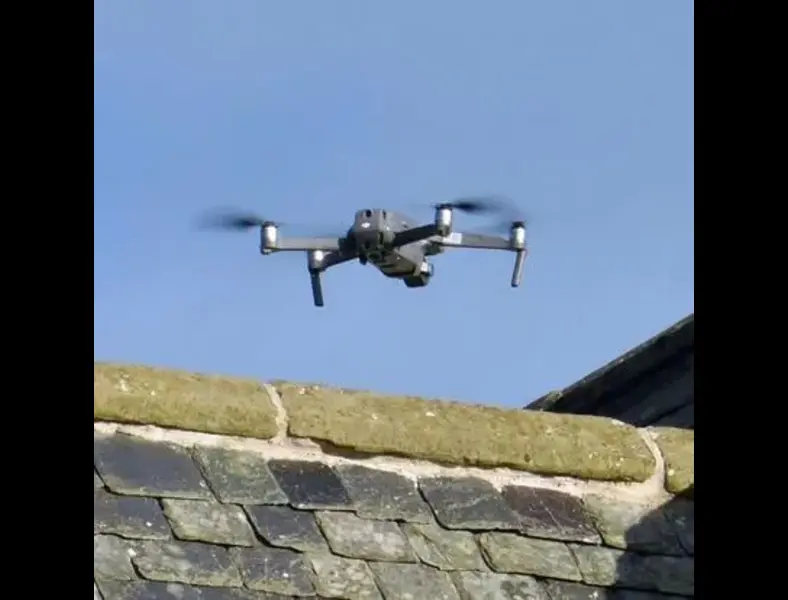
Derby Roofers offers free drone roof surveys for new enquiries across Derby and Derbyshire. Our drone gives a clear view of your flat roof without needing scaffolding or ladders, and you receive a written report with an honest recommendation — no obligation to proceed.
Why Derby Homeowners Call Us for Flat Roof Problems
Over 20 Years of Local Experience. We have been diagnosing and fixing flat roof problems across Derby and Derbyshire for over 20 years — from Victorian bay windows in Normanton to modern extensions in Chellaston — and we know which problems are typical to which property type.
Honest, No-Pressure Advice
We tell you plainly what a survey finds. If a contained patch repair will fix the problem, we say so — we do not recommend a full replacement unless it is genuinely the right call.
Free Drone Survey
We use drone technology to check membrane condition, flashings and drainage fall without scaffolding or ladders just to get a look, so you get a thorough assessment at no cost.
Itemised Written Quotes
Every quote is broken down and given in writing before any work starts — no hidden costs, no quote issued without someone inspecting the roof first.
IPAF & PASMA-Certified Team
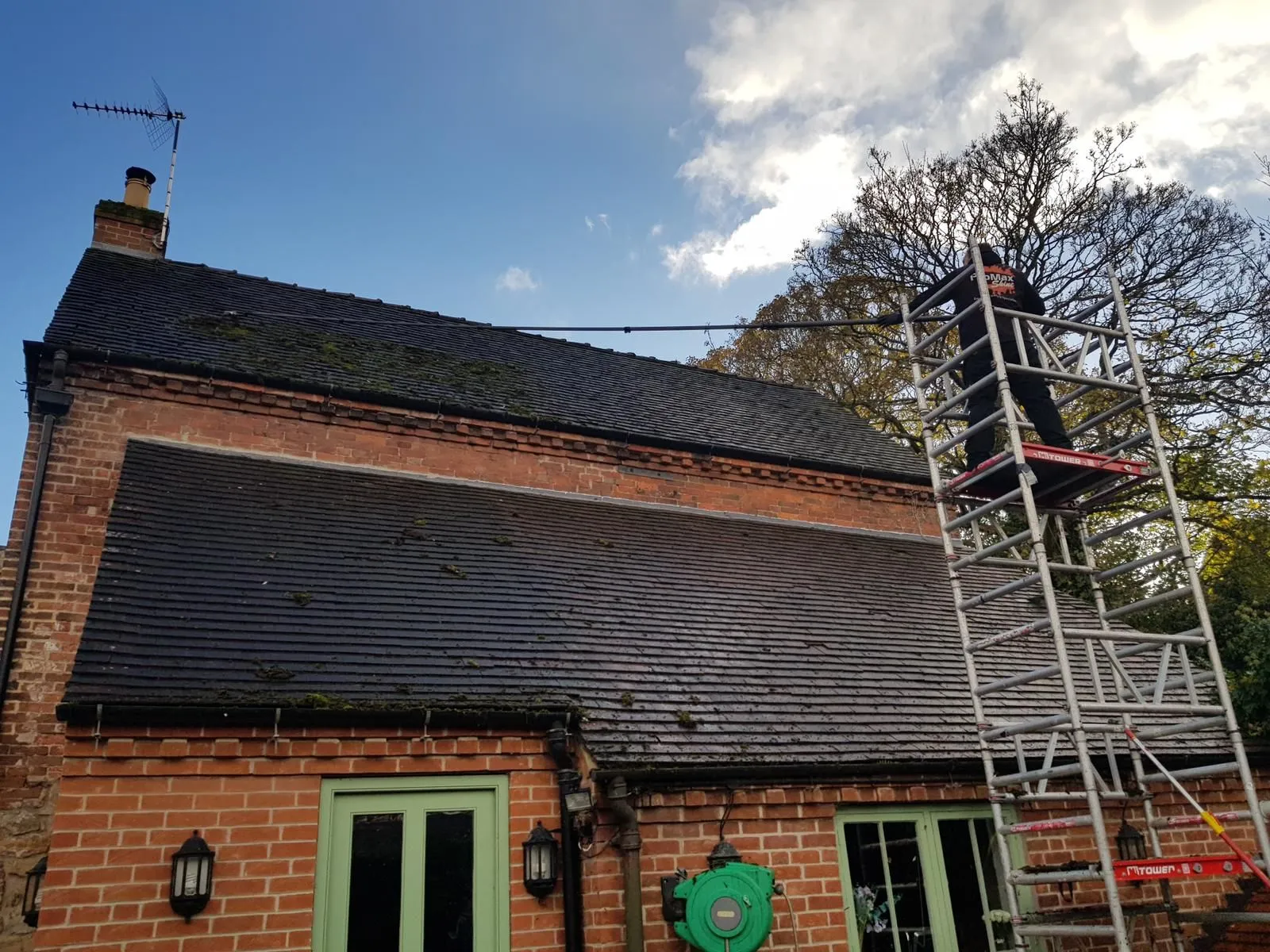
Access equipment on two-storey or awkward flat roofs is set up and operated by trained, certified operators, not improvised on the day.
Workmanship Warranty
Repairs and replacements come with a written warranty of up to 20 years, plus a record of the materials used for your records.
Areas We Cover for Flat Roof Repair in Derbyshire
We assess and fix flat roof problems across Derby and the surrounding areas of Derbyshire — from Victorian terraces around Normanton and Peartree to extensions and garages in Mickleover, Chellaston and Oakwood. If your property is within reach of our base in Heanor, we can get to you quickly for a free survey. Not sure if we cover your area? Call us on 01332-529704 and we will confirm straight away.
- Derby (DE1)
- Long Eaton (NG10)
- Belper (DE56)
- Borrowash (DE72)
- Breadsall (DE21)
- Mickleover (DE3)
- Ashbourne (DE6)
- Ilkeston (DE7)
- Willington (DE65)
- Chesterfield (S40)
- Matlock (DE4)
- Bakewell (DE45)
- Swadlincote (DE11)
- Markeaton (DE22)
- Heanor (DE75)
- Ripley (DE5)
- Alfreton (DE55)
- Burton on Trent (DE13)
- Buxton (SK17)
- Nottingham (NG)
Frequently Asked Questions — Flat Roof Problems in Derby
Why Does My Flat Roof Keep Leaking?
Repeat leaks on a Derby flat roof usually point to one of three things: failed flashings where the roof meets a wall or chimney, a membrane that has aged beyond repair, or an incorrect original fall that causes water to pool and find a weak point. A single localised repair can fix a one-off leak, but if the problem keeps returning, a full inspection is needed to assess whether the whole system needs replacing.
How Long Should a Flat Roof Last?
Lifespan depends on the material: traditional felt lasts 10–20 years, GRP fibreglass 20–30 years, EPDM rubber 25–40 years, and single ply PVC/TPO 30–40+ years. In Derby’s climate, poorly maintained felt roofs often fail earlier than their rated lifespan.
Which Flat Roof Material Lasts Longest?
Single ply PVC/TPO and EPDM rubber last longest in normal conditions, typically 30 to 40 years or more, with GRP fibreglass close behind at 20 to 30 years. Felt is the shortest-lived option, often 10 to 20 years and nearer the lower end through Derby’s freeze-thaw winters, which is why it tends to suit garages and outbuildings rather than a main roof.
How Much Does Flat Roof Repair or Replacement Cost in Derby?
Minor repairs typically start from around £150–£400. A full flat roof replacement on a garage or standard extension generally runs from £1,500 to £4,500 depending on size, material and deck condition. We provide itemised written quotes before any work starts — no hidden costs.
What Causes Water to Pool on My Flat Roof — and Is It Dangerous?
Ponding water is caused by blocked drainage outlets, a sagging deck, or an insufficient fall on the original installation. Standing water adds weight to the roof structure, accelerates membrane breakdown, and increases the risk of leaks. Water pooling for more than 48 hours after rainfall means something needs attention.
Should I Repair My Flat Roof or Replace It Completely?
Repair is the right choice when damage is localised, the deck is structurally sound, and the roof is not approaching the end of its lifespan. Replacement makes more sense when leaks are widespread or recurring, the deck is soft or rotten, or the roof is over 20 years old. If you are not sure, a free survey will give you a straight answer — we never push replacement when a repair will do the job.
Does a Flat Roof Replacement Need Building Regulations Approval in Derby?
A like-for-like repair does not usually require Building Regs approval. Replacing more than 25% of the roof deck requires compliance with Part L, meaning a warm roof insulation upgrade. Planning permission is not normally needed for flat roof replacements in Derby, but conservation area or listed building restrictions may apply. We advise on this at the survey stage.
Is a Flat Roof Covered by Home Insurance?
Most policies cover sudden accidental damage — storm damage, fallen branches and similar events — but not gradual wear and tear. If your flat roof is damaged, report it to your insurer quickly and document it with photographs. Some insurers require flat roofs to be maintained and inspected regularly by a qualified contractor.
How Often Should a Flat Roof Be Inspected and Maintained?
We recommend inspecting a flat roof at least once a year, ideally in spring and autumn. Clearing drainage outlets before winter is one of the most important maintenance tasks for any Derby flat roof. After significant storms or extended heavy rain, a visual check is also advisable.
What Happens During the Free Drone Survey?
We fly the drone over the roof to check membrane condition, flashings around any chimney stacks or parapets, the fall of the roof, and where water is pooling or draining badly, without needing scaffolding or ladders. You get a written report with photos and an honest repair-or-replace recommendation, with no cost or obligation.
Do You Repair Leaks Around Chimneys and Dormer Walls, or Just Open Sections of Roof?
Both — flashing failure around chimney stacks, parapets and dormer walls is one of the more common causes of a flat roof leak, and it is often cheaper to put right than a full membrane repair, since it is usually a reseal or a flashing replacement rather than a patch.
Book Your Free Drone Survey Before the Next Wet Spell
A contained patch repair now is almost always cheaper than the deck repair that follows once water has been tracking along the joists for a few more months of Derby weather.
Derby Roofers has been diagnosing and fixing flat roof problems across Derby and Derbyshire for over 20 years — from Victorian bay windows in Normanton to modern extensions in Chellaston. Get in touch to book a free drone survey and a written, itemised quote.
- ✅ Free drone roof survey with no obligation
- ✅ Itemised written quotes, no hidden costs
- ✅ Over 20 years of local flat roof experience
- ✅ IPAF & PASMA-certified access team
There is no cost for the survey or the report either way.