Felt Roofing Derby | Supply & Install | Free Quote
Call: 01332-529704
Torch-on, self-adhesive and traditional built-up felt roofing supplied and installed across Derby and Derbyshire — garages, extensions, porches, bay windows and commercial flat roofs, fitted to BS 8217:2005.
- Free Drone Survey
- Written Quote, No Obligation
- Workmanship Guarantee
- 20+ Years Local Experience
Felt Roofing in Derby — A Proven, Cost-Effective Flat Roof Covering
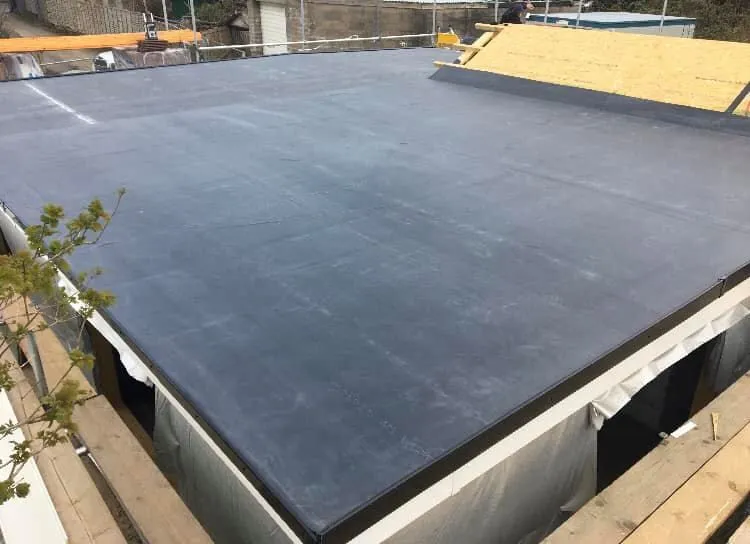
Felt roofing — also known as bitumen felt or torch-on felt — is a waterproof flat roof system built up from layers of bitumen-based sheet material. It has covered flat roofs across the UK for over a century and remains one of the most popular, cost-effective coverings for garages, rear extensions, porches, bay window canopies and commercial flat roofs throughout Derby and Derbyshire.
Modern felt is made from modified bitumen reinforced with polyester or fibreglass, topped with a mineral cap sheet that resists UV damage and the freeze-thaw conditions Derby roofs face every winter. We supply and install felt roofing as its own material choice — not just as a patch fix — so if a full re-felt or a new felt roof is what your property needs, that is exactly what we quote and fit.
- Free drone roof survey and written, no-obligation quote on every job
- Torch-on, self-adhesive and traditional built-up felt systems supplied and installed
- Over 20 years installing and repairing flat roofs across Derby and Derbyshire
The Three Types of Felt Roofing We Supply and Install
There are three main types of felt used on flat roofs in Derby, and the right one depends on the roof, its size and how it is accessed.
Torch-on felt (bitumen torch-on) is the most durable option and what we recommend and install on most Derby properties, lasting 15–25 years or more when professionally installed. Each layer is bonded with a blowtorch that melts the bitumen as it is laid, giving a fully sealed join.
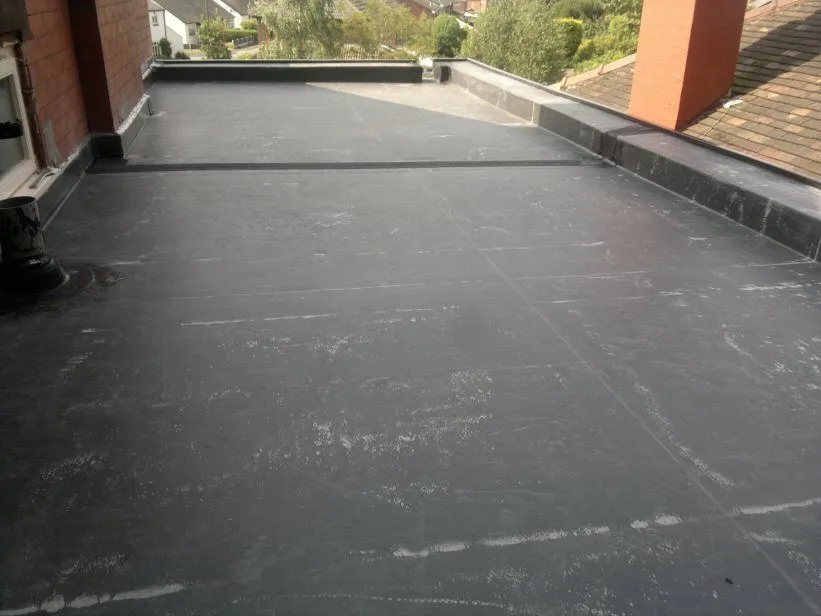
Self-adhesive felt suits smaller areas such as porches and bay windows, typically lasting 15–20 years. Traditional built-up felt is an older system commonly found on pre-2000 Derby homes, usually good for 10–15 years before replacement is needed.
Where an open flame is not suitable — close to timber cladding, in occupied buildings, or anywhere else a blowtorch is impractical — we fit cold-applied pour-and-roll felt instead, bonded with hot bitumen poured ahead of the roll rather than a torch.
How Many Felt Layers Your Roof Needs — and Why It Matters
A standard flat roof in Derby needs three layers of felt to perform correctly, and skipping any one of them leads to earlier failure. The three layers are the venting base layer, which sits on the deck and lets moisture escape; the underlay felt, the main waterproofing layer, torch-bonded to the base; and the mineral cap sheet on top, finished with granules to resist UV and Derby’s wet weather.
For habitable rooms — such as a living space above a kitchen extension — UK building regulations typically require all three layers. Garages and outbuildings may use a two-layer system, but we always recommend three layers for long-term performance.
Each layer is laid in a half-lap pattern, with joints staggered so no two overlaps line up. This is the correct method and the one that prevents leaks at lap joints — the most common failure point on felt roofs. The underlay is not optional: in homes across Spondon and Chaddesden where we see older single-layer felt, the deck boards underneath are often rotten by the time we get there.
What to Expect When We Install or Replace Your Felt Roof
Most felt roof installations and replacements on Derby homes take one to two days. Here is what the process looks like, from first call to finished roof.
- Free survey and quote: We inspect the existing roof, either by drone or direct access, and assess the felt, deck, flashings and drainage, giving you a clear, itemised quote before any work starts.
- Strip the old felt: All existing felt is removed and the deck boards underneath are checked for rot or damage. Any rotten OSB or timber is replaced before the new felt goes down — a step some contractors skip, leading to repeat failures.
- Prepare the deck: The surface is swept clean and a bitumen primer applied where needed. Drip trims and edge profiles are fixed so water runs clear of the fascia and into the gutters.
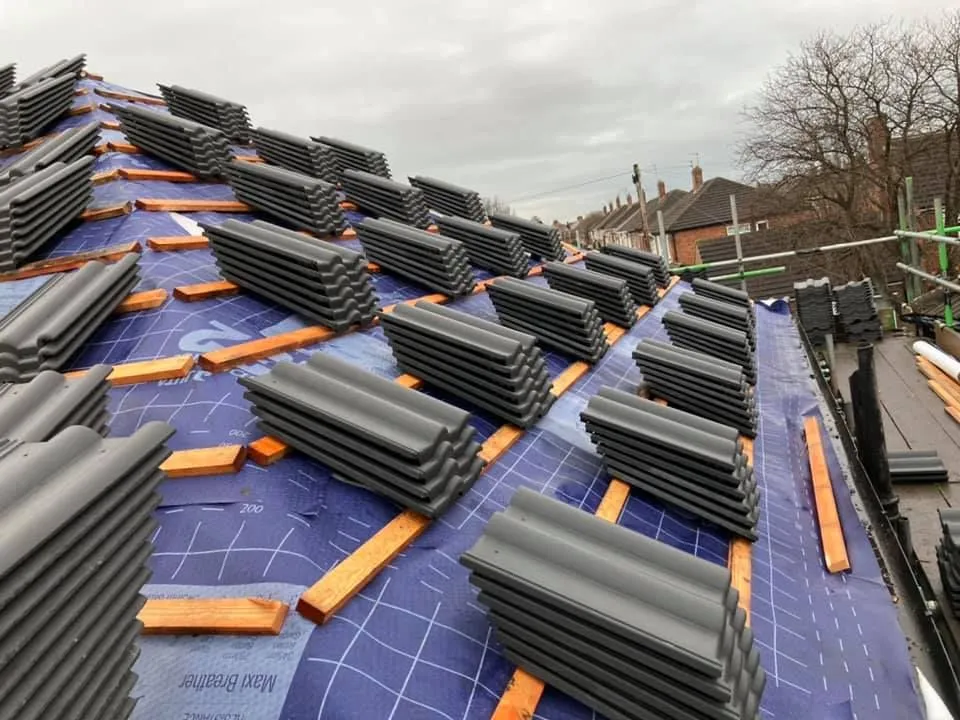
- Lay the felt in sequence: The venting base layer goes down first, then the underlay, then the mineral cap sheet, each torch-bonded and lapped correctly with joints staggered. Upstands are turned up at least 150mm against any adjoining walls, meeting BS 8217:2005 good practice.
- Seal edges and check drainage: All lap joints, edge trims and flashings are checked and sealed, and we verify the roof has the correct fall — a minimum of 1:80 — so water drains cleanly.
- Final inspection and sign-off: We walk you through the completed roof, explain the maintenance checks to carry out, and confirm the work is covered under our workmanship guarantee.
For larger commercial flat roofs across Derbyshire, we schedule the work to minimise disruption to your business.
Common Felt Roofing Problems Derby Homeowners Should Spot Early
Felt roofs can let water in through several specific failure points. Spotting them early means a patch repair rather than a full replacement. The most common problems we find surveying felt roofs across Littleover, Alvaston, Normanton and Oakwood are:
- Splits and cracks — caused by thermal movement or UV damage to aged felt
- Air bubbles and blistering — trapped moisture expands and lifts the surface
- Lifted or open lap joints — usually at edges or around flashings
- Ponding water — standing water after rain shows the fall is insufficient
- Rotten deck boards — the OSB or timber beneath breaks down once felt fails long-term
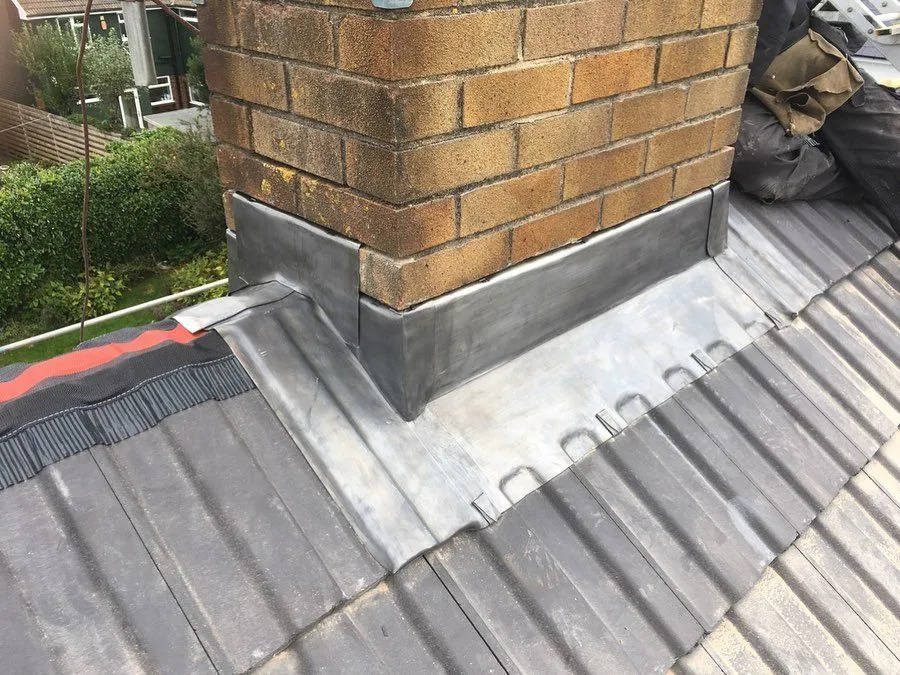
- Flashing failures — where felt meets a wall or chimney, the upstand can lift or crack
Felt is water-resistant, not fail-proof. If you notice damp patches on a ceiling below a flat roof, or can see surface cracking from ground level, call us for a free inspection — we can usually repair a failing lap joint or patch a split the same day. Left longer, the same problem becomes a full strip and re-felt.
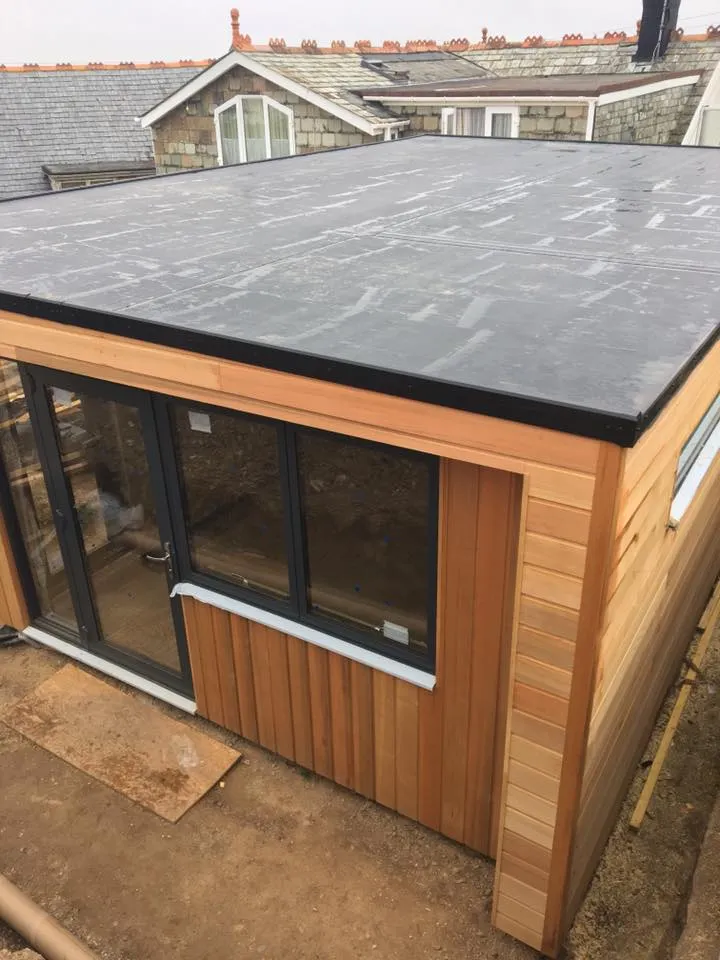
Felt vs Rubber Roofing: Choosing the Right Flat Roof Covering
Both felt and rubber (EPDM) roofing are solid choices for flat roofs in Derby. The right one depends on your roof size, budget, and how long you plan to keep the property.
Felt roofing suits:
- Smaller flat areas — garages, bay windows, porches
- Properties where budget is the main factor
- Like-for-like replacement as the practical choice
- Roofs where torch-on refurbishment over existing felt is possible
EPDM rubber roofing suits:
- Larger flat roof areas — rear extensions, whole flat roofs
- Properties wanting a longer lifespan with minimal maintenance
- Fewer seams and a single-piece membrane
Derby’s housing stock — particularly the large number of 1960s to 1990s semis with flat-roof rear extensions — is where this conversation comes up most. In many of those cases, a modern torch-on felt system is still an excellent choice and far more cost-effective than upgrading to EPDM if the roof area is small. We assess both options with you during the free survey and recommend what suits your property and budget, with no upselling.
What Affects the Cost of a Felt Roof in Derby
Felt roofing costs vary by job because so much depends on what is found once the old surface comes off and how the roof is used. The main factors that move the price are the size of the flat roof area, the number of felt layers needed — a habitable extension roof needs the full three-layer torch-on system, while a garage may only need two — and the condition of the deck underneath.
Access plays a part too: a single-storey garage roof is quicker to reach than a rear extension roof two floors up. A standalone patch repair, such as fixing a lifted lap joint or a small split, costs a fraction of a full strip-and-re-felt, which is why repair is always checked as a realistic option before replacement is recommended.
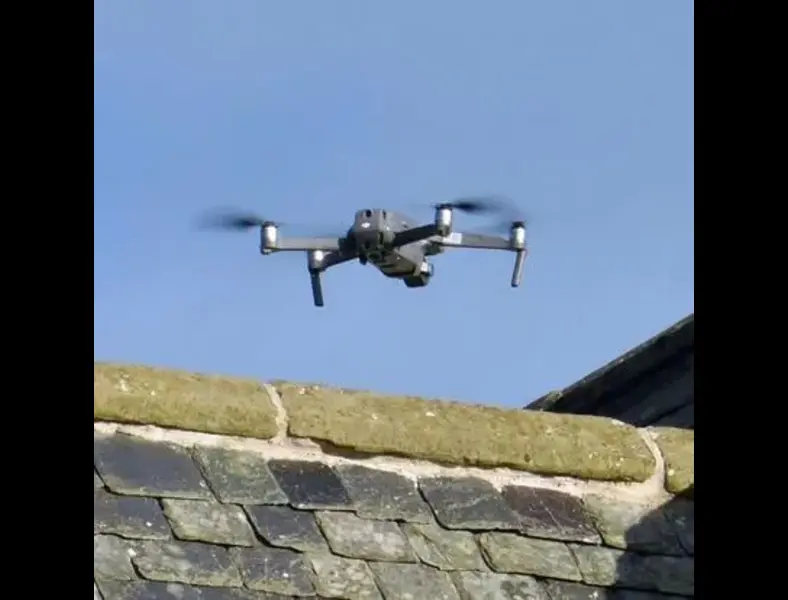
Because every roof is different, pricing is not fixed over the phone — every job starts with a free survey, by drone or direct access, so the figure you get reflects the actual roof rather than an estimate.
Keeping Your Felt Roof in Good Shape: Maintenance for Derby Properties
A well-maintained felt roof lasts significantly longer than one that is ignored between problems. For Derby homeowners — particularly in areas like Mickleover and Borrowash where mature trees drop leaves into outlets — we recommend these checks:
- Clear gutters and drainage outlets every six months — blocked outlets cause ponding, the leading cause of early felt roof failure
- Check the surface after heavy frost or a storm for splits, lifted edges, or pooling that has not drained within 48 hours
- Remove moss before it takes hold — a soft-wash treatment is available through our roof cleaning service
- Book a professional inspection once a year
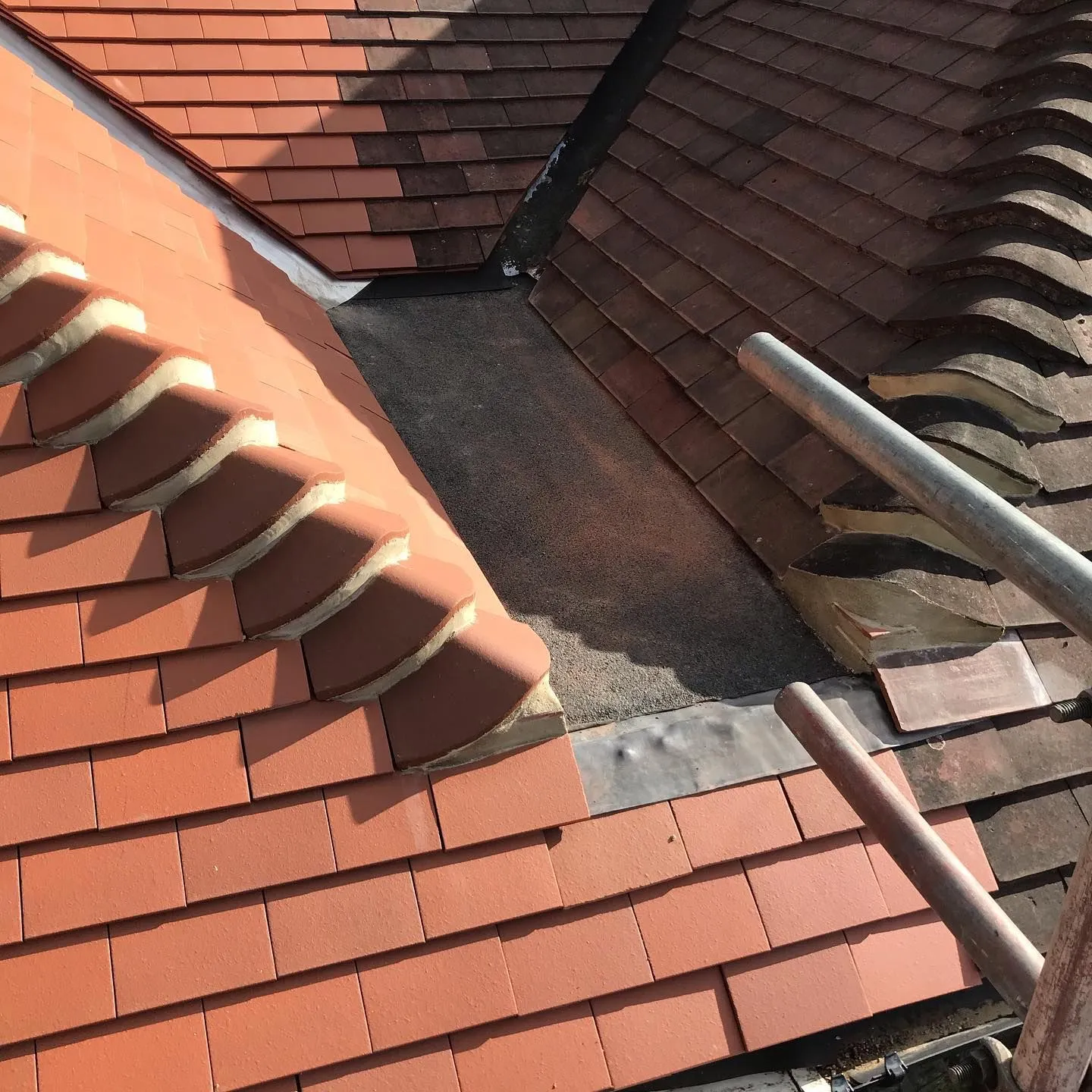
- Check flashings and upstands after high winds
If your felt roof is more than ten years old and has not had a formal inspection, book one now. We can identify small problems — a loose flashing, a small split at a lap joint — before they become the kind of damage that needs a full re-felt.
Why Choose Derby Roofers for Your Felt Roof?
Over 20 Years of Local Experience. We have been working on felt roofs across Derby and Derbyshire for decades. We know the local housing stock, the local weather, and the problems that come with it — and we install to BS 8217:2005 for bitumen felt roof coverings.
Free Survey and No-Obligation Quote
We inspect your roof first, often by drone, and give you a clear, itemised quote before any work begins. No guesswork, no surprises.
Fully Insured, Guaranteed Workmanship
All our roofing work is fully insured, and every felt roof installation comes with a workmanship guarantee. We stand behind every job we complete in Derby and across Derbyshire.
We Only Recommend What Is Needed
If a patch repair will fix your felt roof, we will tell you. We do not push for full replacements when they are not warranted.
24-Hour Availability
Roof problems do not keep office hours. We are available around the clock and always respond to calls and emails promptly.
Local Team, Local Knowledge
We are based in Derby. When you call, you speak to someone who knows Allestree, Spondon, Mickleover and every other part of the city — no call centres, no subcontractors passed down a chain.
What’s Actually Included in a Derby Felt Roof Job
- Three-layer torch-on bitumen felt, blowtorch-bonded in staggered lap joints — the standard build-up on a habitable extension roof, typically lasting 15–25 years
- Two-layer torch-on felt or cold-applied pour-and-roll felt on smaller roofs such as garages, porches and bay windows, or anywhere an open flame is not practical
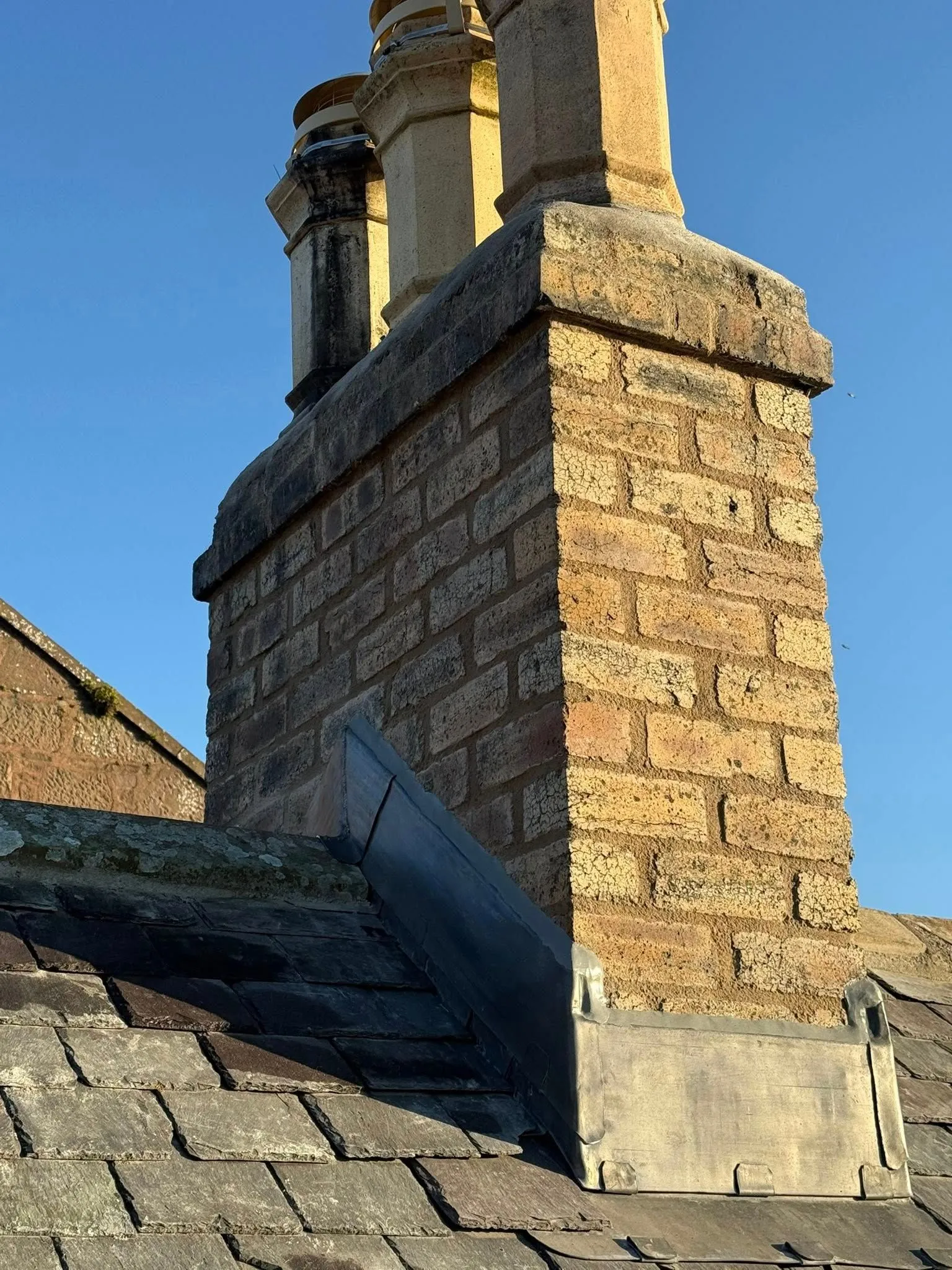
- Upstand and flashing detail dressed at least 150mm up any abutment, chimney or parapet wall and sealed against wind-driven rain
- Falls corrected to the 1:80 minimum so water runs to the outlets instead of sitting on the roof
- New or resealed roof outlets, gullies and trims
- Deck inspection, with like-for-like repair of rotten timber or OSB boards found once the old felt is stripped back
- Installation carried out to BS 8217:2005 for bitumen felt roof coverings
Not Included / Costed Separately
- Structural roof timber or joist replacement beyond the deck boards — quoted separately as carpentry work once the extent is known
- EPDM rubber or GRP fibreglass roofing — different membrane systems, priced and installed on their own terms
- Guttering, fascia or downpipe replacement, unless it is bundled into the same job
- Skylight or roof light replacement
- Scaffolding, where the roof is reachable safely by ladder or has already been assessed by drone survey
Felt Roofing Cover Across Derby and Derbyshire
Derby is our main base, and the suburbs we cover day to day — Chaddesden, Oakwood, Mickleover, Allestree, Alvaston and Littleover — include a lot of single-storey rear extensions built onto the city’s Victorian and interwar terraces, the kind of roof where the felt surface itself is easy enough to reach but the route up to it isn’t. Coverage extends out across Derbyshire to towns including Belper, Ilkeston, Long Eaton, Heanor and Swadlincote. Not sure if we cover your area? Call us on 01332-529704 and we will confirm straight away.
- Derby City Centre (DE1)
- Allestree & Quarndon (DE22)
- Mickleover (DE3)
- Littleover & Normanton (DE23)
- Chaddesden & Spondon (DE21)
- Alvaston & Osmaston (DE24)
- Belper (DE56)
- Ripley (DE5)
- Ilkeston (DE7)
- Heanor (DE75)
- Swadlincote (DE11)
- Ashbourne (DE6)
- Matlock (DE4)
- Borrowash & Draycott (DE72)
- Etwall & Hilton (DE65)
- Melbourne & Chellaston (DE73)
- Duffield & Little Eaton (DE21)
- Breadsall & Darley Abbey (DE22)
- Long Eaton (NG10)
- Castle Donington (DE74)
Frequently Asked Questions About Felt Roofing in Derby
How Long Does a Felt Roof Last in Derby’s Weather?
A correctly installed three-layer torch-on system typically lasts 15–25 years, self-adhesive felt around 15–20 years, and older built-up felt systems 10–15 years. Overall lifespan across all felt types sits in the 10–25 year range depending on installation quality, ventilation and how much of the roof holds standing water or sits in shade. We always use high-grade, polyester-reinforced felt to maximise longevity.
What’s the Difference Between Torch-On and Pour-and-Roll Felt?
Torch-on felt is bonded with a blowtorch that melts the bitumen layer as it is laid, giving a fully sealed join between layers. Pour-and-roll (cold-applied) felt is bonded with hot bitumen poured ahead of the roll instead of an open flame, which suits roofs close to timber cladding, in occupied buildings, or anywhere a blowtorch isn’t practical. Torch-on is the more common choice on extension and garage roofs where flame use is straightforward.
Do You Repair Felt Roofs or Only Install New Ones?
Both. Repair is checked first wherever it is realistic — a lifted lap joint, a small split or a failed patch around an outlet can usually be fixed without stripping the whole roof, and costs a fraction of a full re-felt. Replacement or a new felt roof gets recommended once the deck underneath is compromised or the felt has failed in multiple places.
What Causes a Felt Roof to Fail Early?
Ponding water from a fall shallower than the 1:80 minimum, lap joints that weren’t fully torch-bonded, upstands that weren’t dressed high enough at a wall or chimney, and general wear on a roof left unchecked for years are the most common causes we see on Derby roofs.
Do You Need Underlay Under Felt Roofing?
Yes — an underlay layer is a required part of any properly built felt roof. It is the primary waterproofing layer beneath the cap sheet. A roof installed without underlay will fail much earlier and may not meet UK building regulations for habitable spaces.
Is a Felt Roof Mortgage-Friendly?
Most lenders will accept a property with a felt roof, provided it is in good condition and installed by a qualified contractor. If a surveyor has flagged the roof, a professional inspection report showing condition and expected remaining life usually satisfies the lender. We can provide that report following our survey.
Is Rubber or Felt Roofing Better for My Derby Property?
Neither is universally better — it depends on your roof. EPDM rubber lasts longer and suits larger flat areas. Torch-on felt is cost-effective and performs well on smaller roofs like garages and extensions. We assess both options with you during the free survey and recommend what suits your property and budget, with no upselling.
What Are the Disadvantages of Felt Roofing?
The main disadvantages are a shorter lifespan compared with EPDM or GRP, susceptibility to UV damage over time, and the risk of moss and vegetation growth retaining moisture. A properly installed three-layer torch-on system from a qualified Derby roofer addresses most of these concerns, especially combined with annual maintenance checks.
Do I Need Planning Permission for a New Felt Roof?
A straightforward re-felt or repair on an existing flat roof doesn’t usually need planning permission, since it’s maintenance rather than a change to the building. It’s different if the flat roof is being built as part of a new extension — that falls under the extension’s own planning and building regulations rather than the roofing work itself.
How Do You Survey a Roof That’s Hard to Reach?
A free drone survey covers roofs that are awkward or unsafe to reach directly, including rear extension roofs with restricted access. Where direct access is safe, the roof gets inspected on foot instead — either way, the survey and quote are free with no obligation.
What’s Included in the Workmanship Guarantee?
New felt roof installations carry a workmanship guarantee covering the installation itself, so if a lap joint or flashing detail fails because of how it was fitted, it gets put right. The guarantee doesn’t extend to separate issues, such as pre-existing structural timber problems outside the scope of the roofing work.
Ready to Book Your Felt Roofing Survey in Derby?
A leaking or ageing felt roof won’t fix itself — and the longer it’s left, the more damage works its way into the structure beneath.
Whether you need a new felt roof supplied and installed, a patch repair, a full re-felt, or simply an honest assessment of how much life your roof has left, Derby Roofers has been fitting felt roofing across Derby and Derbyshire for over 20 years. Every installation comes with a workmanship guarantee.
- ✅ Free drone survey and written, no-obligation quote
- ✅ Torch-on, self-adhesive and built-up felt systems supplied and installed
- ✅ Installed to BS 8217:2005
- ✅ Workmanship guarantee on every job
Get in touch for a free, no-obligation quote and find out exactly how much life is left in your roof.