Fascias, Soffits and Guttering Derby | Free Survey
Call: 01332-529704
One combined roofline job for Derby & Derbyshire homes — fascias, soffits, bargeboards and guttering surveyed, quoted and fitted together in a single visit.
- Free Written Roofline Survey
- BBA-Approved uPVC with Written Warranty
- IPAF & PASMA-Certified Team
Fascias, Soffits and Guttering Derby — Your Full Roofline, Sorted in One Visit
Fascias, soffits and guttering form one continuous run along the roof edge, and this page covers what’s involved when we replace or repair all three together as a single Derby roofline job, rather than one board or one gutter length on its own. What that run looks like changes from street to street: Victorian terraces around Rose Hill and Normanton typically have short roof edges carrying old cast iron gutter that’s rusted through, 1930s semis in Chaddesden and Mickleover often have longer timber fascia runs that have been repainted so many times the wood underneath has started to split, and post-war semis in Allestree, Oakwood and Chellaston are commonly on their second round of uPVC, fitted before colour-matched gutter systems were standard.
If you already know exactly what you need, we also have dedicated pages covering uPVC gutter replacement and installation, cast iron gutter restoration, and aluminium and zinc guttering on their own — this page is for when fascias, soffits and guttering need looking at together.
- Free written roofline survey with no obligation to proceed
- BBA-approved uPVC boards backed by a written warranty on every job
- IPAF and PASMA certified team for safe access at roofline height
What Are Fascias and Soffits — And Why Do They Matter?
Many Derby homeowners are unsure exactly what fascias and soffits are. Here is a plain-language explanation. Your fascia board runs horizontally along the lower edge of your roof, directly behind your guttering. It supports the first row of roof tiles and takes the full weight of your gutter system. When it fails, your gutters sag, water spills onto your walls, and your rafter ends start to rot.
The soffit sits underneath the fascia, bridging the gap between the roof edge and your outer wall. It seals the roof void from pests and weather, and — when vented — allows air to circulate in the loft, preventing condensation and damp. A bargeboard performs the same protective function on the gable ends of your roof — we replace these at the same time as part of a full roofline job.
Together, fascias and soffits:
- Protect rafter ends from moisture and rot
- Support and hold your guttering securely in place
- Seal roof eaves against birds, wasps, and squirrels
- Allow roof space ventilation to prevent loft condensation
- Give your roofline a clean, finished appearance
How to Spot Failing Fascias and Soffits on Your Derby Home
If your fascias and soffits are failing, your roof timbers are next. These boards protect rafter ends from moisture. When they go, rot follows quickly — and rafter repairs cost far more than a roofline replacement. Derby’s wet East Midlands winters accelerate the problem. Older housing stock in areas like Spondon and Chaddesden still has original timber rooflines. Many look fine from the street but are already soft and damaged underneath.
The most important thing to know: boards that look intact from the ground can already be heavily rotted from the top. Water gets in above the fascia and works its way down — invisible until the board fails entirely.
Check for these warning signs:
- Soft or crumbling wood when pressed along the board edge
- Paint peeling, flaking, or boards splitting at the roofline
- Gutters pulling away or sagging from the fascia
- Birds or wasps nesting in the roof eaves
- Damp patches appearing inside the loft space
- Visible gaps or cracks where the boards meet at corners
- Dark staining or watermarks running down exterior walls below the roofline
You do not need to climb a ladder to find out. Call us and we will carry out a free roofline inspection. We tell you honestly what we find — nothing more, nothing less.
Why uPVC Fascias and Soffits Outperform Timber in the East Midlands
Derby’s climate does not suit timber rooflines. Wet autumns, cold winters, and damp springs mean painted wood boards need attention every few years. uPVC does not rot, warp, or absorb moisture — and it needs no repainting. Most Derby properties we work on — from 1930s semis to post-war estates across the city — still have original timber rooflines that are overdue for an upgrade.
Here is how the main materials compare:
- uPVC — weather resistant, no repainting, low maintenance, most popular choice for Derby homes
- Timber — traditional appearance suits period properties; needs treatment or painting every 4–7 years
- Aluminium — very durable, suits modern builds, higher cost than uPVC
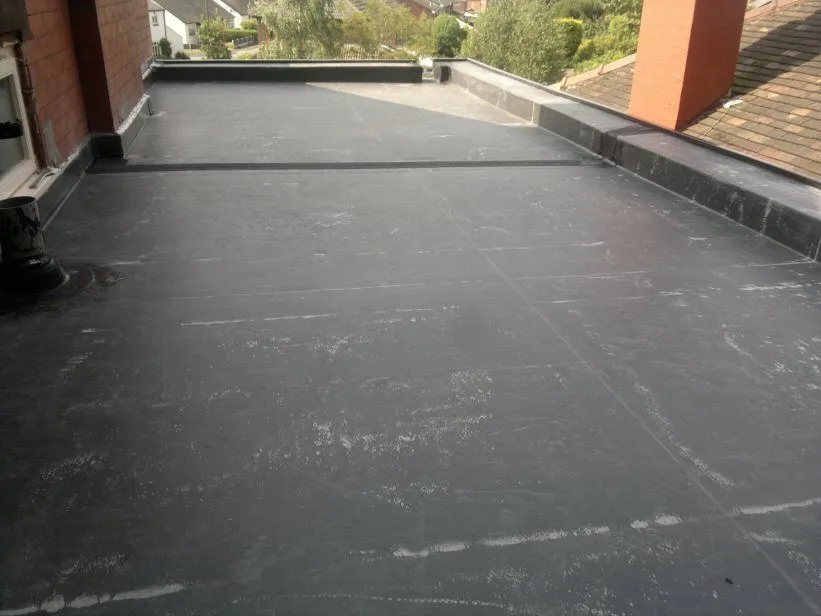
Our uPVC fascias & soffits are BBA-approved — meaning they have passed the British Board of Agrément’s independent testing for durability, performance, and compliance with UK building regulations. Vented soffits are worth considering too: building regulations require adequate roof space ventilation, and vented uPVC soffits allow air to circulate and reduce condensation building up in the loft. We advise on the right ventilation option as part of your free survey.
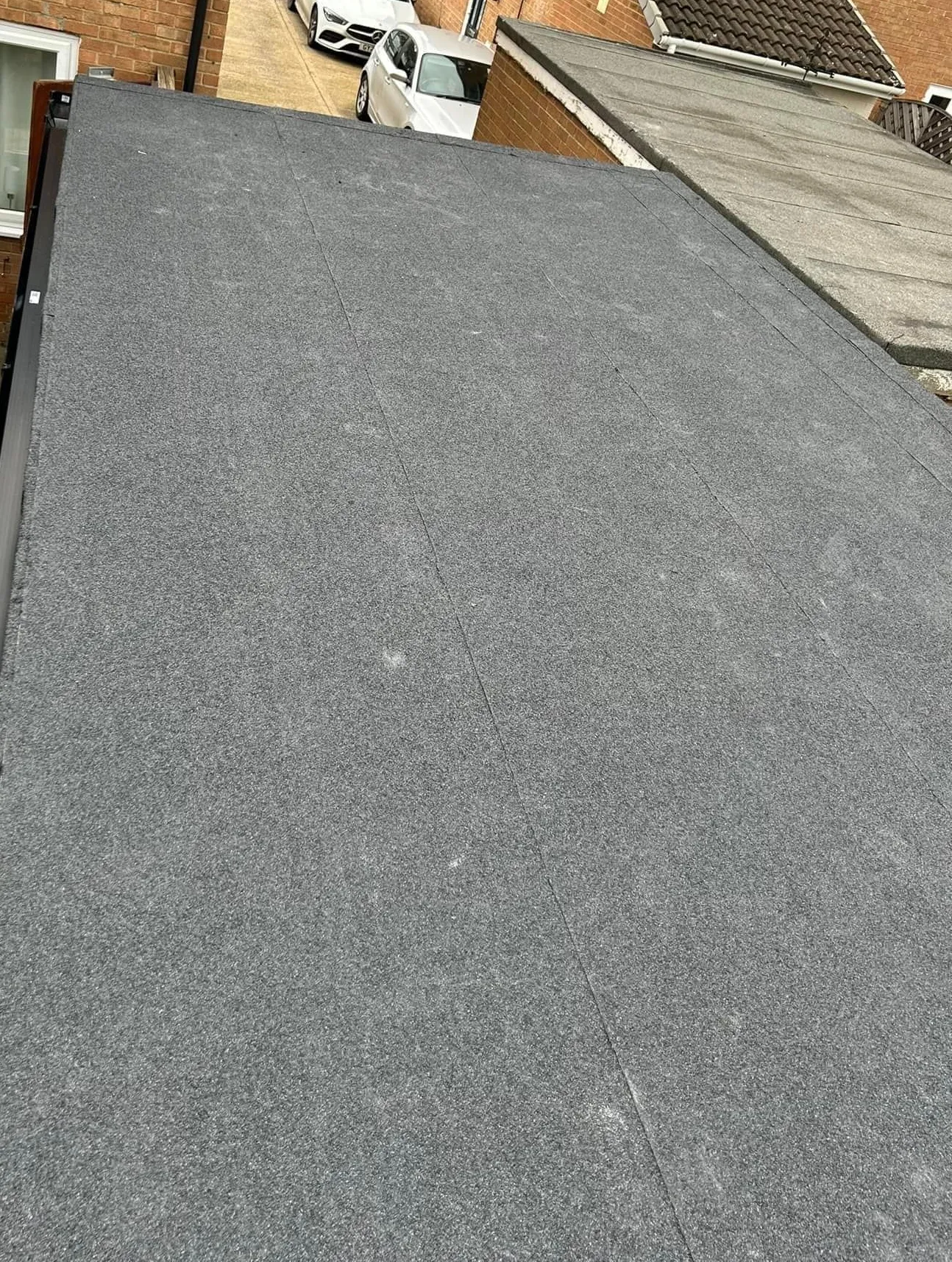
Available Colours and Finishes
We supply uPVC fascias and soffits in a full range of colours and finishes, including:
- White — the most popular choice across Derby homes
- Anthracite grey — increasingly popular on modern and recently renovated properties
- Golden oak and rosewood — wood-effect finishes for a traditional look without the maintenance
- Mahogany — suits older and period properties in conservation areas
Colour-matched bargeboards, guttering, and downpipes are available to give your full roofline a uniform, professional finish.
Capping vs Full Replacement — Which Option Suits Your Derby Roofline
If your existing timber boards are sound, capping is a practical route. We fit uPVC directly over the old timber. It is faster, causes less disruption, and gives you a fresh maintenance-free roofline. Full replacement is the right call when rot is present. Capping over rotten timber traps moisture and speeds up the decay underneath. We never cap over rot. We strip back, inspect, and replace — so you are not paying to hide a problem that will cost more later.
A simple way to think about it:
- Capping — existing timber is dry and structurally sound; you want a faster, lower-disruption job
- Full replacement — rot, pest damage, or significant moisture is present; old boards stripped back entirely
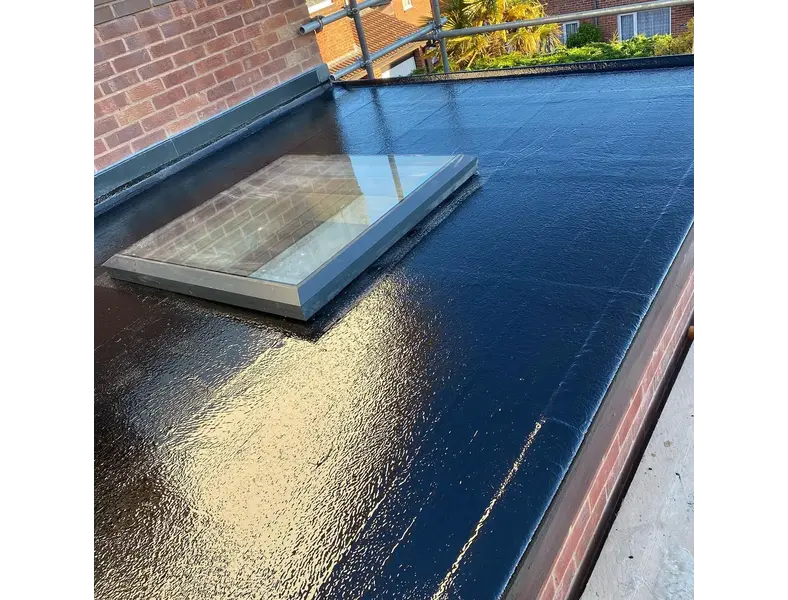
The critical point: boards that appear sound from the ground are often hiding rot that only becomes visible once we strip the area above the fascia and inspect the rafter ends. Older terraces in Normanton and Allestree often look like capping candidates from the ground. Up close, the timber tells a different story. Our free survey confirms which option is right before any work starts.
What Happens When We Replace Your Fascias and Soffits in Derby
Most Derby semi-detached properties take one to two days. Larger detached homes in areas like Mickleover or Littleover may take up to three days. Here is what a combined job involves from start to finish.
- Enquiry and free survey booking: You call or send details of the job — a full roofline replacement, a repair, or a mix of both — and we book in a free, no-obligation survey at a time that suits you.
- On-site assessment: A surveyor walks the roof edge, checking the fascia boards, soffits, bargeboards and existing guttering together, along with the rafter ends behind them and the tiles that overhang the gutter line. This is also where we work out whether a ladder is enough or whether the property needs a tower or powered access platform.
- Written quote: You get an itemised written quote covering the boards, gutter profile and colour, any timber repairs found, and any access equipment needed, so nothing gets added on the day that wasn’t agreed up front.
- Access set up once, for the whole run: On the day, access is erected once for the whole roofline rather than booked separately for boards and separately for guttering — a ladder for straightforward single-storey sections, or a tower or MEWP for taller or harder-to-reach elevations.
- Strip-out, timber check and fit: Old fascia, soffit and guttering come off together along the run, exposing the rafter ends so any rot gets treated or replaced before new boards go up. New fascia, soffit and bargeboards go on first, then gutter brackets, lengths and downpipes are fixed to the new boards and jointed along the length.
- Clear-up and sign-off: Old materials and waste are removed from site, the finished roofline is walked round with you, and the written warranty is issued.
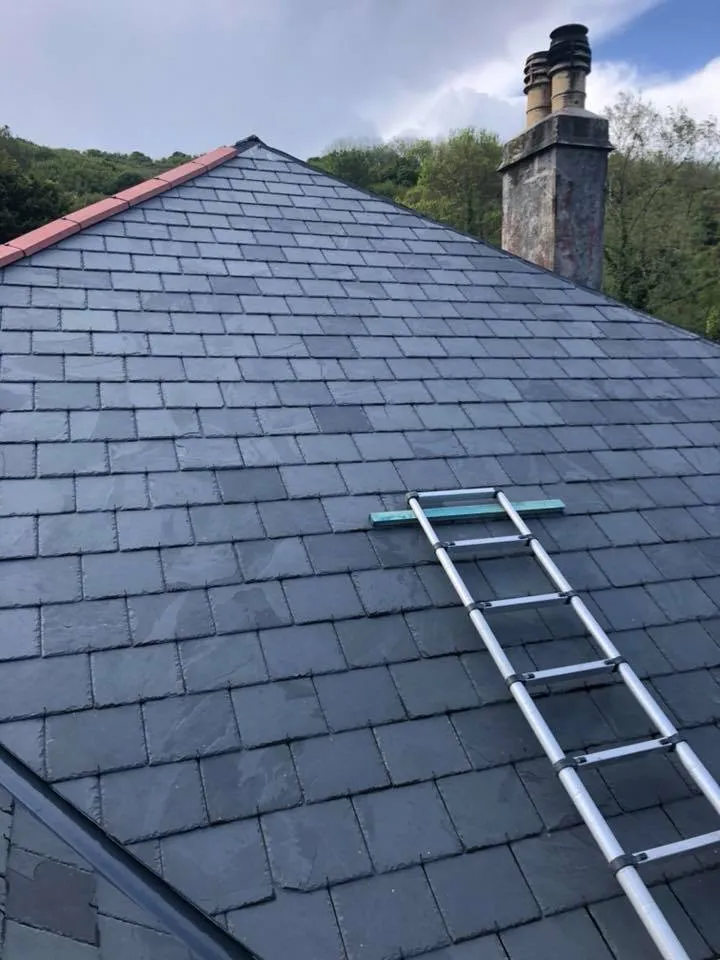
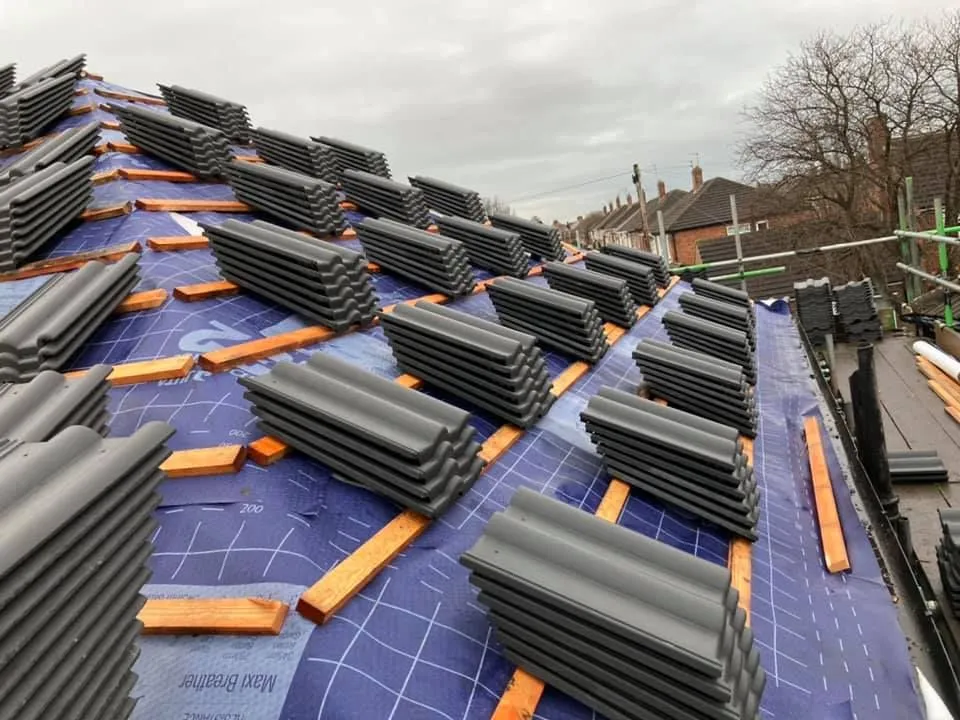
While we are up there, we also carry out a visual check of your roof tiles. If we spot any slipped or damaged tiles, we tell you and can carry out tile repairs in the same visit — saving you a second call-out and the disruption of further work at height. All waste from the old boards, guttering, and materials is removed and disposed of responsibly.
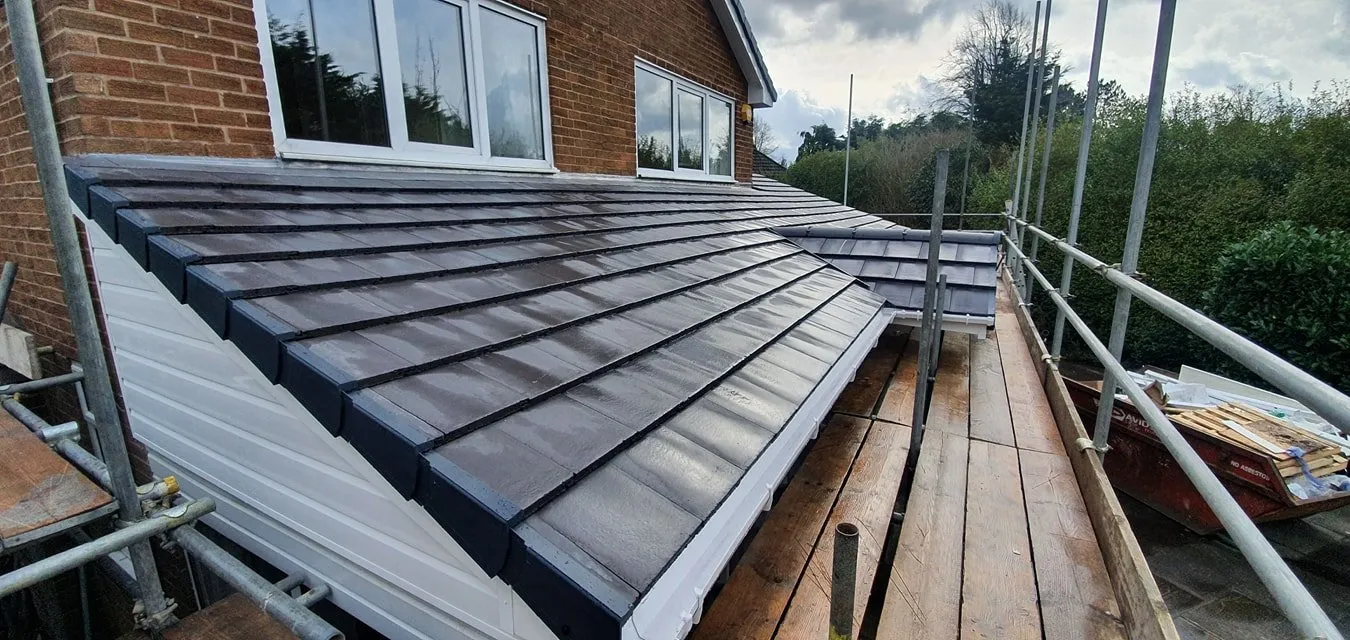
Why Replacing Gutters at the Same Time Saves Derby Homeowners Money
Gutters have to come off to replace the fascia. That is unavoidable. If your gutters are ageing — as is common on Derby homes in Oakwood and Darley Abbey where older cast-iron systems are still in use — refitting the originals often breaks old seals and creates new leaks within months.
Replacing guttering at the same time makes practical and financial sense:
- Labour is already on site — no second call-out or mobilisation cost
- Guttering removed and refitted loses its original seal; replacement avoids future leaks
- Old cast-iron gutters on Derby properties are heavy and brittle — removal can damage them anyway
- One clean, matched roofline result in a single visit
- Scaffolding — where needed — is already in place, so combining jobs eliminates a second hire cost
We supply uPVC guttering in half-round, square-line, deep-flow, and ogee profiles — all in colours to match your new fascias. If your gutters are newer and in good condition, we refit them with care. We tell you what we recommend at the survey stage — before any money changes hands.
One Access Set-Up, the Whole Roofline Sorted
Fascia boards, soffits and guttering share the same fixing line along your roof edge, so treating them as separate jobs on separate visits usually shows: mismatched screw holes, gutter brackets fixed to boards that get replaced later, or a downpipe re-hung against a fascia colour that’s already shifted since the last repair.
On a Derby roofline job we plan the boards, the guttering and the bargeboards as one sequence — old materials come off together, rafter ends get checked once, and the new run goes up in a single pass so brackets, joints and colours line up along the full length.
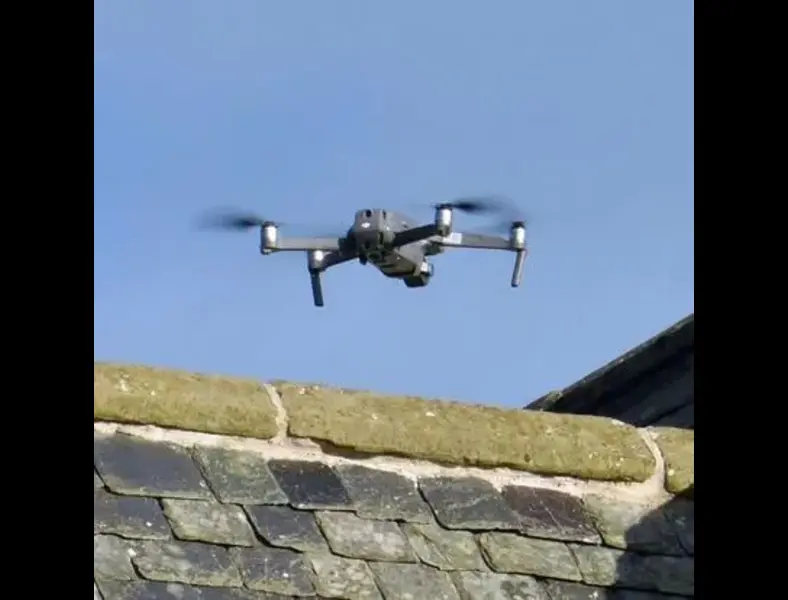
Access is set up once for that whole sequence rather than booked separately for each trade: a tower or platform goes up, the fascia and soffit boards go on, the gutter and downpipes go on straight after off the same access, and it comes down once the full run is finished — no second scaffold hire, no second call-out, no gap between the boards being fitted and the gutter being hung on them. That’s how a combined job stays to one visit instead of three, with the same team surveying and fitting the work, full insurance, and a written warranty on what’s finished.
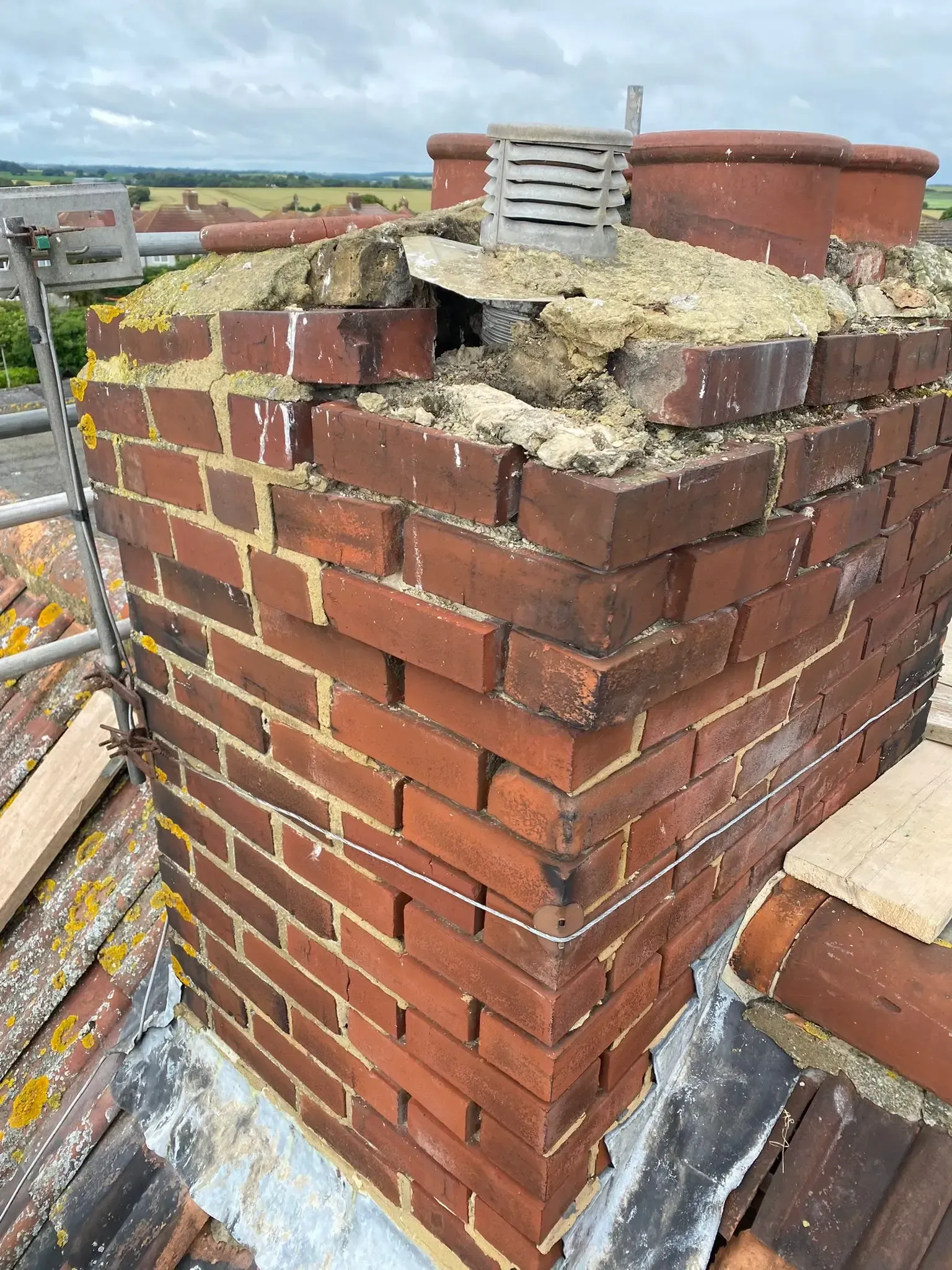
How to Keep Your Fascias and Soffits in Good Shape Year-Round
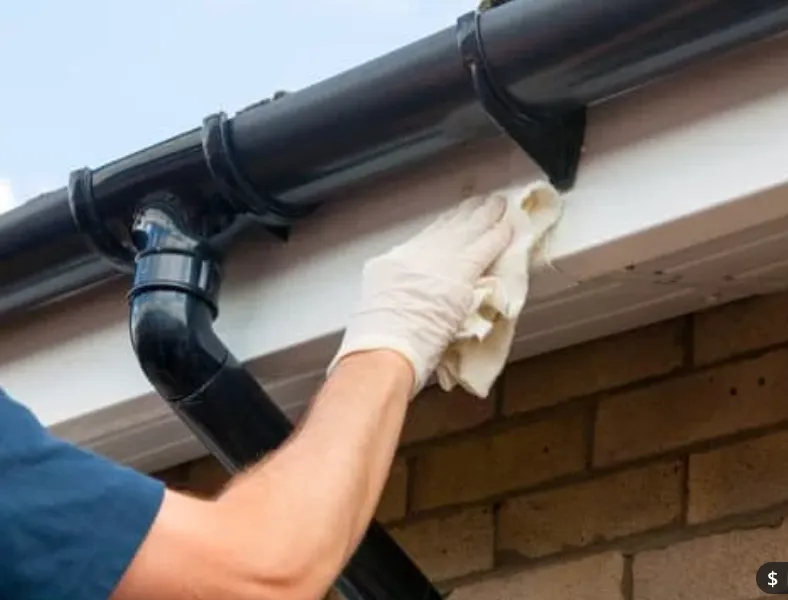
uPVC boards need very little from you. A wipe-down with warm soapy water once a year keeps them looking clean. No painting, no specialist products, no annual treatment. The bigger task is keeping your gutters clear.
In tree-lined streets across Allestree and Darley Abbey, autumn leaf fall blocks gutters fast. Water then backs up and sits against the fascia board — the single most common cause of premature roofline failure, even on uPVC installations.
A simple annual routine protects your roofline:
- Clear gutters at least once a year, ideally after the main autumn leaf fall
- Check gutters are flowing freely — pour water in at the top and watch the outlet
- Check for cracked joints or separation at corners after a hard winter frost
- Look for any boards that have started to pull away or lift at the edges
- If you have timber boards, repaint with exterior-grade paint every 4–6 years
- Book a visual roofline check every five years as a minimum — small issues caught early are inexpensive to fix
If you spot anything that looks wrong, call us. A small sealant repair now costs a fraction of replacing rotten rafter ends later.
Looking for One Part of the Job on Its Own?
This page covers fascias, soffits and guttering as one combined roofline job. If you already know exactly which single part you need looking at, these dedicated pages go into more depth on each:
- UPVC Gutter Replacement & Installation — a full uPVC guttering system in half-round, square-line, deep-flow or ogee profiles, colour-matched to your fascias.
- Cast Iron Gutter Restoration & Replacement — for period Derby properties where original cast iron guttering can be restored and repainted, or replaced entirely.
- Aluminium & Zinc Guttering — higher-specification seamless guttering for modern builds and high-end renovations.
- Valley Gutter Repairs — for the internal roof valleys where two slopes meet, a separate high-risk leak area from the roofline guttering covered on this page.
- Gutter Cleaning & Clearing — a standalone clear-out and flow check if your fascias and soffits are sound and only the gutters need attention.
How We Scope a Combined Fascia, Soffit and Gutter Job in Derby
- Fascia board replacement or capping in uPVC
- Soffit replacement or capping, including vented boards for loft ventilation
- Matching bargeboard replacement on gable ends
- Removal, refitting or full replacement of guttering in uPVC, aluminium or cast iron
- Half-round, square-line, deep-flow or ogee gutter profiles, colour-matched to the new boards
- Rafter end inspection and any necessary timber repairs before new boards go on
- A visual check of roof tiles while working at the roofline, with minor slipped or damaged tiles repaired in the same visit
- Removal and disposal of all old boards, gutters and waste materials
Not Included / Costed Separately
- Scaffolding hire, where access needs it rather than a ladder — assessed at the free survey and added to the written quote
- Licensed asbestos removal, arranged separately through the correct channels if older pre-2000 boards test positive
- Full roof re-covering or major structural rafter replacement beyond the roofline — quoted separately if found during the survey
Areas We Cover for Fascias and Soffits in Derby
We carry out fascia and soffit replacement, repair, and installation across Derby and the surrounding Derbyshire area, plus Chesterfield and Nottingham. Our regular working areas include:
- Derby City Centre (DE1)
- Mickleover (DE3)
- Allestree & Darley Abbey (DE22)
- Littleover & Normanton (DE23)
- Chaddesden & Spondon (DE21)
- Borrowash (DE72)
- Oakwood & Breadsall (DE21)
- Markeaton & Mackworth (DE22)
- Alvaston & Chellaston (DE24)
- Willington & Findern (DE65)
- Long Eaton (NG10)
- Belper (DE56)
- Ilkeston (DE7)
- Heanor (DE75)
- Ripley (DE5)
- Alfreton (DE55)
- Matlock (DE4)
- Ashbourne (DE6)
- Swadlincote (DE11)
- Burton on Trent (DE13)
Not sure if we cover your area? Call us on 01332-529704 and we will confirm straight away.
Frequently Asked Questions About Fascias and Soffits
What is the difference between a fascia and a soffit?
The fascia is the vertical board that runs along the edge of your roof — it holds your gutters and supports the bottom row of roof tiles. The soffit sits underneath it, horizontally, sealing the gap between the fascia and your outer wall. Both work together to protect your roof structure and seal your home against weather and pests.
How much does it cost to replace fascias and soffits in Derby?
Costs vary based on the size of your property, the material chosen, and whether you opt for full replacement or capping. As a general guide, a standard semi-detached property in Derby typically falls in the range of £1,500–£3,000 for a full uPVC replacement including guttering. We provide a free, written, itemised quote before any work begins — no hidden charges.
Is it better to cap fascias and soffits or replace them completely?
Capping is suitable only when the existing timber is completely dry and structurally sound. If there is any rot, moisture damage, or pest activity, full replacement is the right option. We inspect the boards in detail at the free survey stage and recommend the correct approach — we never cap over problems.
How long do uPVC fascias and soffits last?
uPVC fascias and soffits typically last well over 20 years with basic annual maintenance. They far outlast painted timber, which needs repainting every 4–7 years. All our Derby installations come with a written warranty.
What are the signs that my fascias and soffits need replacing?
Key signs include soft or crumbling timber, paint that keeps peeling, gutters sagging or pulling away from the board, birds or wasps nesting in the eaves, damp patches in the loft, and visible gaps or staining at the roofline. If you notice any of these, call us for a free inspection.
Do I need scaffolding to replace fascias and soffits?
Most Derby homes can be accessed safely by ladder and do not require scaffolding. Properties where access is restricted — by a conservatory, close boundary, or difficult ground conditions — may need it. We assess access at the survey stage and include any scaffolding cost in your written quote upfront.
Should I replace my gutters at the same time as my fascias and soffits?
In most cases, yes. The gutters have to be removed to carry out the fascia work anyway. Refitting disturbed gutters often breaks the original seals and leads to leaks within months. Replacing them in the same visit uses the same labour and gives you a complete, matched roofline.
Can fascias and soffits contain asbestos in older Derby properties?
Properties built or renovated before 2000 may have roofline materials containing asbestos. If your home has never had its fascias or soffits replaced, and dates from that period, we recommend an inspection before any work begins. If asbestos is found, we arrange licensed removal through the correct channels before proceeding.
Can I replace soffits without replacing the fascia?
It is possible, but not always advisable. The soffit sits behind and beneath the fascia — removing the soffit often risks damaging the fascia in the process. If the fascia is in good condition, we can work carefully around it. If both are ageing or showing wear, replacing them together is the most cost-effective approach.
How do I maintain my fascias and soffits to make them last longer?
uPVC boards need only a wash with warm soapy water once or twice a year. The most important maintenance task is keeping your gutters clear — blocked gutters allow water to back up against the fascia, which is the main cause of premature failure. Timber boards need repainting every 4–6 years with exterior-grade paint.
Ready to Sort Your Roofline? Book Your Free Derby Survey Today
If you have noticed any of the warning signs on your Derby home — peeling boards, sagging gutters, pests in the eaves, or damp in the loft — do not leave it. Small roofline problems become expensive structural problems fast.
Derby Roofers carries out a free roofline survey at your property. We inspect your fascias, soffits, bargeboards, and guttering, tell you exactly what is needed, and provide a full written quote with no obligation to proceed.
- ✅ Free written roofline survey, no obligation
- ✅ BBA-approved uPVC with a written warranty on every job
- ✅ Over 20 years' local experience, IPAF & PASMA certified
- ✅ No subcontractors, no call centres — one local Derby team
Your roofline does not improve on its own. The sooner you call, the less it costs to fix.