
Dry Ridge System Derby | Guaranteed | BBA-Approved
Call: 01332-529704
Loose or crumbling ridge mortar on your Derby roof? BBA-approved dry ridge systems fitted across Derby and Derbyshire, backed by a 10-Year workmanship guarantee.
- BBA-Approved Components
- 10-Year Workmanship Guarantee
- Free Drone-Assisted Survey
What Is a Dry Ridge System?
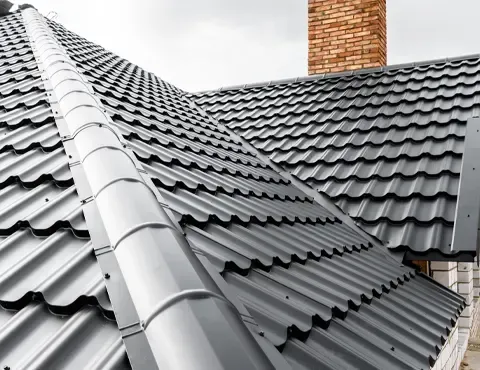
A dry ridge system is a method of securing ridge tiles to your roof using mechanical fixings — stainless steel screws, clamps, and a waterproof breathable membrane — instead of traditional sand-and-cement mortar. The ridge line sits at the very top of your roof where two slopes meet, making it one of the most exposed points on any property.
Traditional mortar holds ridge tiles in place, but it degrades over time. It cracks, washes out, and eventually fails — often without obvious warning until tiles shift or water gets in. A dry ridge system removes that weak point entirely: each ridge tile is mechanically locked to the roof, with no mortar to degrade, no repointing needed, and no tiles loosening after a hard winter.
- A waterproof, breathable ridge roll membrane laid along the full ridge length
- Stainless steel screws and clamps that lock each tile in place
- Batten support brackets that keep the ridge line straight and level
- Waterproof unions between each tile that divert rainwater back onto the roof
A Dry Ridge System Is a Reliable Long-Term Fix for Derby Roofs
If your ridge tiles are lifting, cracking, or sitting in crumbling mortar, you are not alone — it is one of the most common roofing problems we see across Derby. A dry ridge system replaces the sand-and-cement mortar bed with mechanical fixings, typically stainless steel screws and clamps. Each ridge tile is locked firmly to the roof, with no mortar to crack, wash out, or blow free in high winds.
Derby winters bring repeated freeze-thaw cycles. Water gets into hairline cracks in mortar, freezes, expands, and breaks the bond — a cycle that repeats every winter until the mortar fails completely. A mechanically fixed system does not degrade the same way, and it is now the required standard under BS5534, the British Standard for tiling on pitched roofs. Since 2015, mortar alone cannot be used to fix ridges and hips on new roofs.
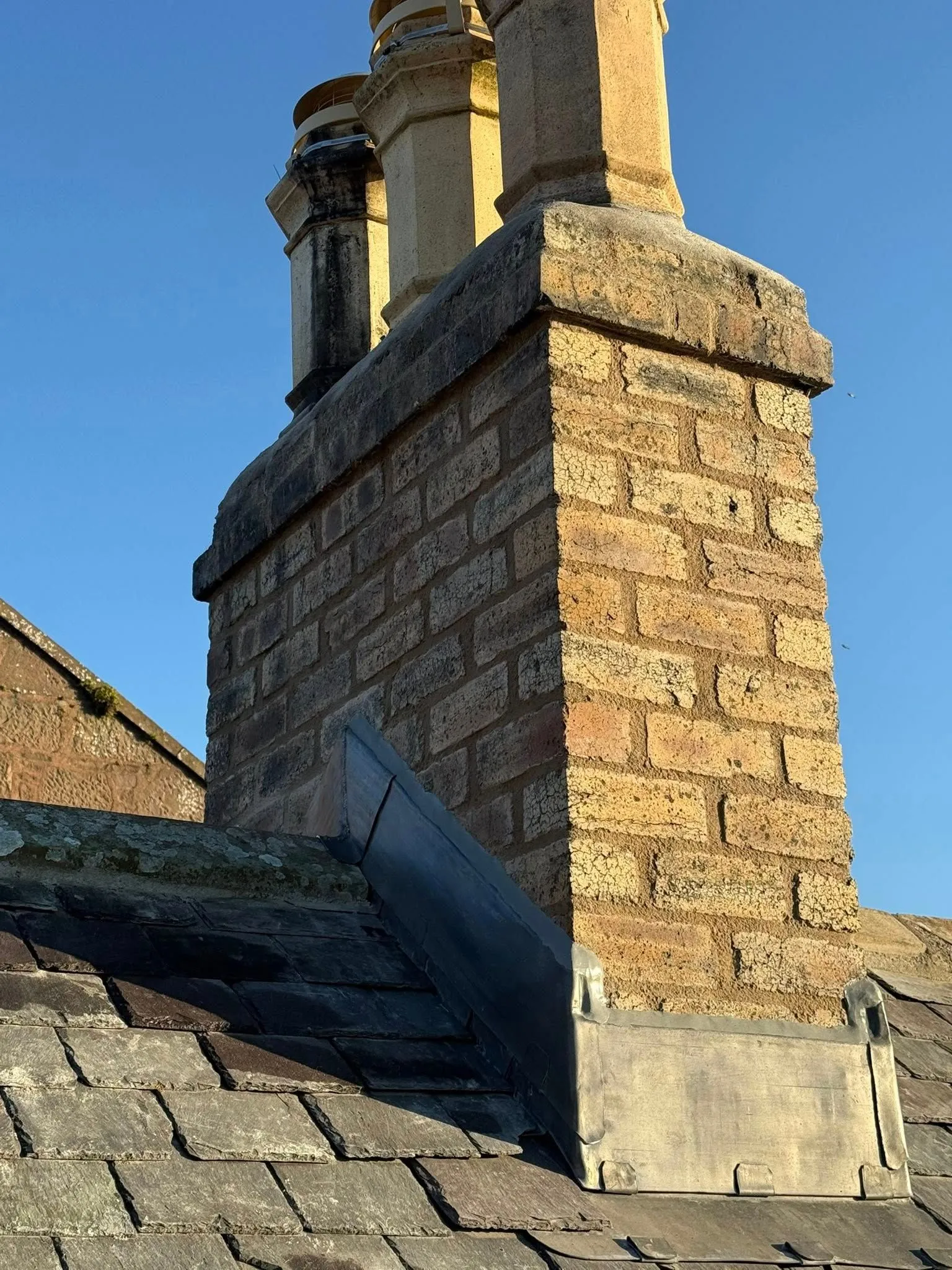
- Stainless steel fixings that hold in storm conditions
- No mortar to crack, repoint, or wash out
- Meets current BS5534 building standards
- Works with concrete tiles, clay tiles, slate, and most interlocking tile profiles
- Breathable membrane supports roof ventilation and reduces loft condensation
Dry Ridge Systems Can Go Onto Your Existing Roof Without a Full Strip Out
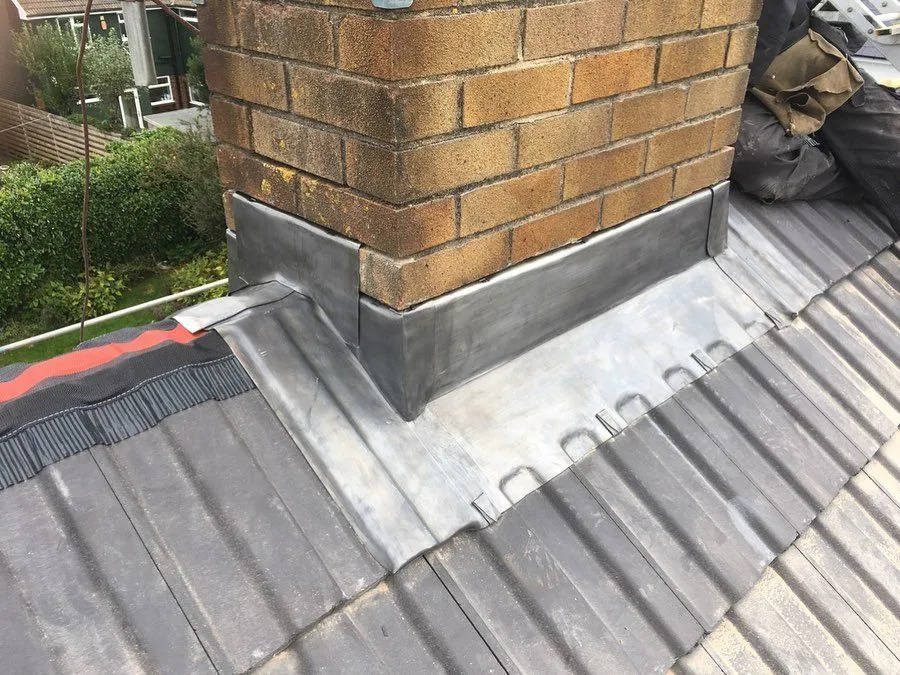
Many Derby homeowners assume they need a full re-roof to upgrade their ridge. That is rarely the case. In most situations, we remove the old ridge tiles and strip out the mortar bed — your existing roof tiles stay in place. We then fit the dry ridge carrier system along the ridge line and re-fix the ridge tiles using mechanical clamps. The same approach applies to hip tiles, if your roof has them.
Older terraced houses in Normanton and Spondon often have original mortar ridges that have never been touched — exactly the properties that benefit most from a retrofit dry ridge installation. The work is clean and tidy, and most jobs complete in a single day.
There is one exception worth knowing: if the existing mortar is very hard and well-bonded, removing it risks cracking the tiles underneath. We check this at the survey stage. If your tiles cannot be safely stripped, we will tell you clearly and advise the best route forward.
- Old mortar ridge removed; existing tiles left in place in most cases
- Hip and gable ridge tiles covered in the same installation
- Free survey confirms suitability before you commit
- Most retrofit jobs complete in one day
- Reusable — the system can be unscrewed and re-attached if a full re-roof is carried out later
A Dry Ridge System in Derby Outperforms Mortar Over the Long Run
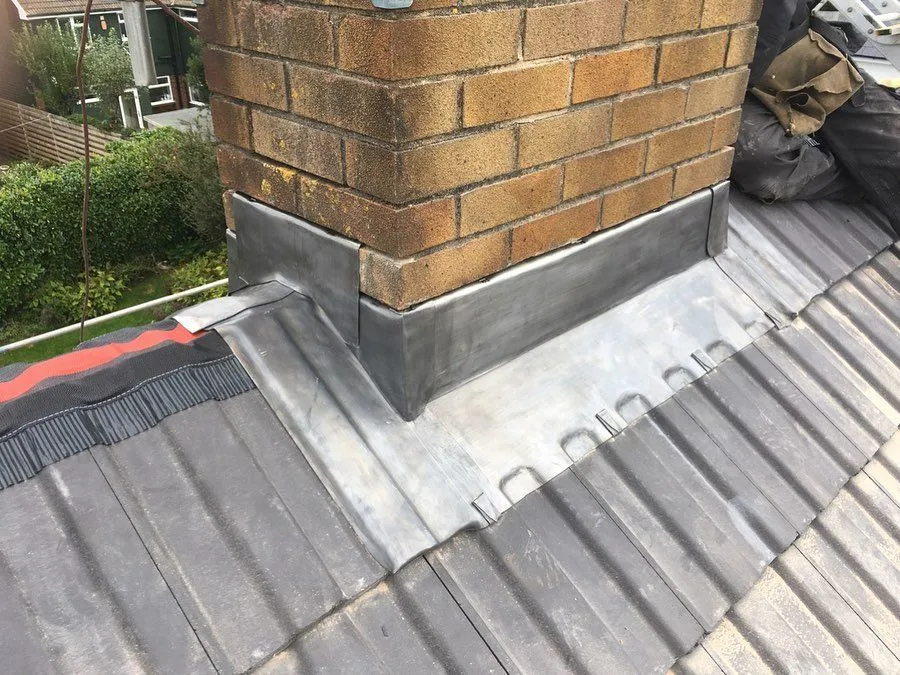
Mortar ridges typically last 10 to 15 years in UK conditions before cracking and movement begins. A professionally installed dry ridge system using BBA-approved components is built to last 30 years or more. That difference matters — a mortar ridge on a Derby home could need repointing two or three times over the lifespan of a single dry ridge installation, and each repointing job means access, labour, and materials that add up fast.
The other key difference is how each system handles movement. Every property shifts slightly over time as the ground settles and temperatures change. Mortar is rigid and cannot move with the building, so it cracks. A dry ridge system uses flexible components that cope with natural movement without breaking, and a well-fitted system also allows the roof space to breathe at the ridge line, reducing condensation build-up in the loft.
- Designed lifespan of 30 years or more with quality installation
- Flexible fixings move with the building — no cracking
- Built-in ventilation reduces loft condensation
- No repointing, no repeat call-outs, no ongoing maintenance
- Meets BS5534 — the current British Standard for tiled roofs
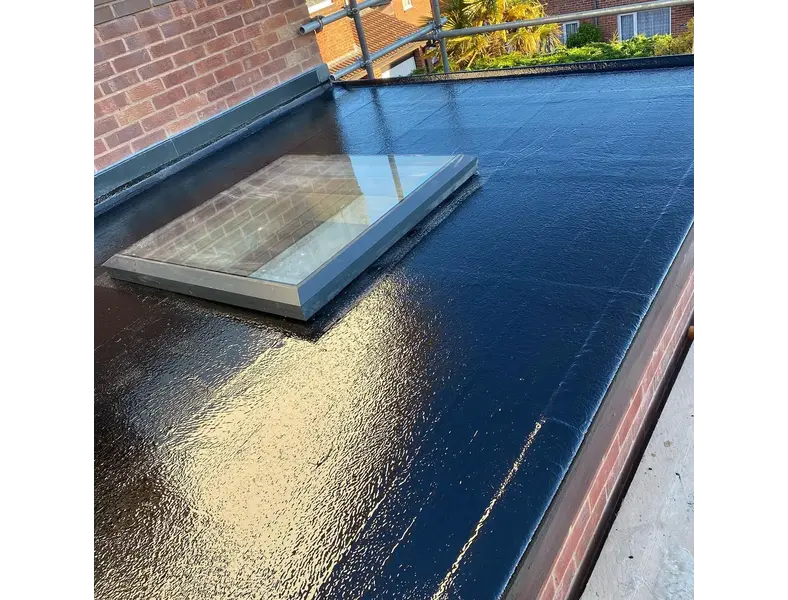
Mickleover and Allestree Homes See Fewer Ridge Failures With Dry Systems
Detached and semi-detached properties in Mickleover and Allestree often have long, exposed ridge runs that face the full force of westerly winds crossing open ground before hitting the roof. A long mortar ridge on an exposed property is one of the most vulnerable points on your roof — wind gets under loose ridge tiles and lifts them, and once one tile shifts, water follows and damage spreads quickly.
We fit dry ridge systems across Derby's western suburbs regularly. The mechanical fixing holds ridge and hip tiles securely, even in high winds. Our work covers the DE1, DE3, and DE22 postcode areas as standard, and we also work regularly in Littleover, Chellaston, Chaddesden, and Borrowash — all areas where we see mortar ridge failure on properties built from the 1960s through to the 1990s.
- Long ridge runs in western Derby suburbs are especially exposed
- Wind uplift on loose mortar ridges is a common cause of tile loss
- Mechanical fixings significantly reduce storm damage risk
- Properties near open land or elevated ground in Derby are particularly at risk
Dry Ridge vs Traditional Mortar Ridge: The Derby Comparison
There’s no single fixed price for a dry ridge system because every roof is different, but the performance gap between the two fixing methods is consistent across UK conditions. Here is how a dry ridge system compares to a traditional mortar ridge.
| Factor | Dry Ridge System | Traditional Mortar Ridge |
|---|---|---|
| Typical lifespan | 30 years or more, up to 50 with premium components | 10 to 15 years before cracking and movement begin |
| Fixing method | Stainless steel screws, clamps and a breathable membrane | Sand-and-cement mortar bed |
| Freeze-thaw resistance | Unaffected by frost, cold or damp | Cracks open wider with every winter freeze-thaw cycle |
| Ongoing maintenance | No repointing or repeat call-outs | Needs repointing or rebedding every decade or so |
| Building standard | Meets current BS5534 requirements | No longer compliant as the sole fixing method for new-build ridges since 2015 |
| Loft ventilation | Breathable membrane helps reduce loft condensation | No ventilation benefit |
| Installation weather | Can be fitted in any dry weather, no curing time | Needs mild, still conditions to set correctly |
Booking a Dry Ridge Survey Is the Right First Step for Derby Homeowners
If you are not sure whether your ridge needs attention, these are the signs we ask you to check before calling: ridge tiles that rock or move when touched, visible cracks or gaps in the mortar pointing, patches of mortar debris in the gutters or on the ground, damp patches inside the property near the apex of the roof, any ridge tile that looks raised, shifted, or out of line, moss or vegetation growing into the ridge line joints, or a previous ridge repair that is already showing signs of movement.
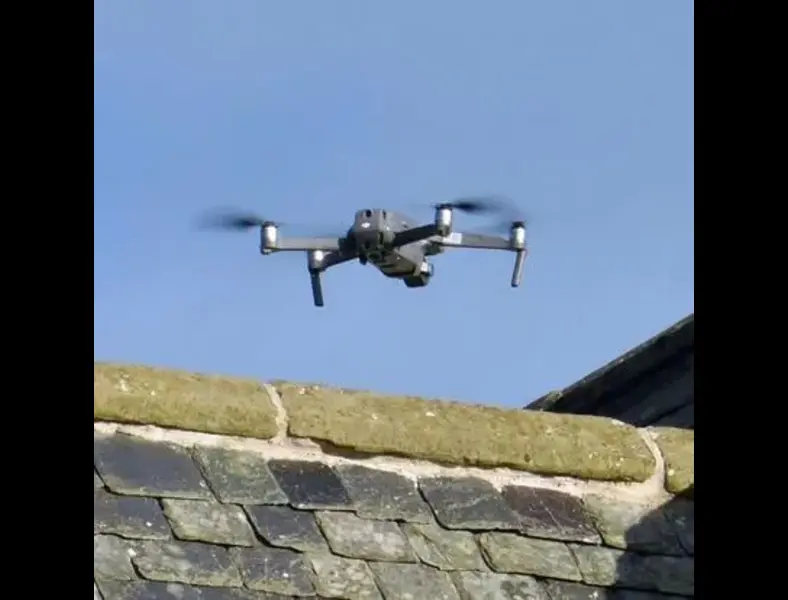
You do not need to get on the roof yourself. Our free survey — drone-assisted where access requires it — checks the full ridge line and gives you a clear report of what we find. From there, we confirm whether a dry ridge system is suitable for your roof, explain what the installation involves, and give you a written quote. There is no obligation.
Derby Roofers are local to Derby and Derbyshire. We aim to respond to all enquiries the same day. Call us on 01332-529704 or use the contact form at derbyroofers.co.uk.
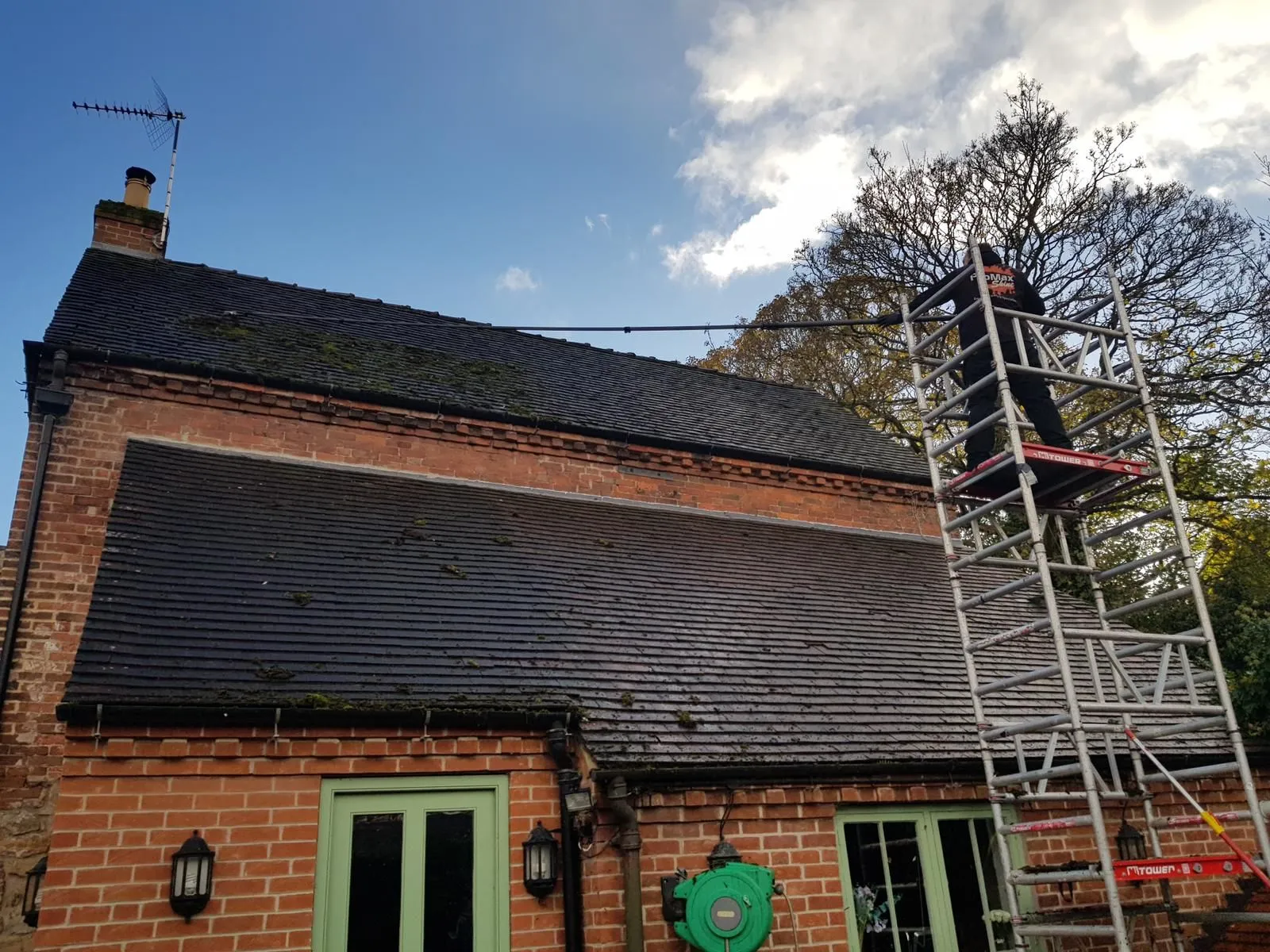
Seasonal Frost and Wind in Derbyshire Make Dry Ridge the Smarter Choice
Derbyshire sits in an area that sees above-average frost days through autumn and winter. That frost does not just affect the ground — it works on every mortar joint on your roof too. Each freeze-thaw cycle opens mortar cracks a little wider, and over several winters a ridge that looked fine starts to move. By the time you notice displaced tiles or a damp ceiling, the mortar has already failed across most of its length.
A dry ridge system has no mortar to freeze. The stainless steel fixings and polymer components are unaffected by cold, damp, or temperature swings — they do not shrink, expand unevenly, or absorb water. Autumn is our busiest booking period for dry ridge work in Derby, and homeowners who book a survey in late summer get their installation done before the first hard frosts arrive.
- Derbyshire frost days accelerate mortar ridge failure year on year
- Polymer and stainless steel fixings are unaffected by freeze-thaw
- No mortar means no crack risk during cold snaps
- Book a survey in late summer to get ahead of the autumn rush
- No curing time needed — dry ridge can be installed in any dry weather, unlike mortar which needs still, mild conditions to set correctly
Areas We Cover for Dry Ridge Systems in Derby
Derby Roofers proudly serves homeowners and businesses throughout Derby city and the wider Derbyshire area with BBA-approved dry ridge installations. Our local teams cover Derby City Centre, Allestree, Mickleover, Littleover, Normanton, Chaddesden, Oakwood, Spondon, Alvaston and the surrounding Derbyshire towns and villages. Not sure if we cover your area? Call us on 01332-529704 and we’ll be happy to help.
- Derby City Centre (DE1)
- Allestree, Mackworth & Quarndon (DE22)
- Mickleover (DE3)
- Littleover & Normanton (DE23)
- Chaddesden, Oakwood & Spondon (DE21)
- Alvaston, Crewton & Osmaston (DE24)
- Belper (DE56)
- Ripley (DE5)
- Ilkeston (DE7)
- Heanor (DE75)
- Swadlincote (DE11)
- Ashbourne (DE6)
- Matlock (DE4)
- Borrowash & Draycott (DE72)
- Etwall & Hilton (DE65)
- Melbourne & Chellaston (DE73)
- Duffield & Little Eaton (DE56/DE21)
- Breadsall & Darley Abbey (DE21/DE22)
- Long Eaton (NG10)
- Castle Donington (DE74)
Frequently Asked Questions About Dry Ridge Systems in Derby
Is a Dry Ridge System Any Good?
Yes — dry ridge systems are now the standard method for securing ridge tiles on UK roofs. They outperform mortar in every key area: wind resistance, lifespan, maintenance requirements, and ventilation. The mechanical fixing holds each tile firmly in place without relying on a mortar bond that can degrade over time. BS5534 — the British Standard for tiled roofs — now requires mechanical fixing on all new roofs for this reason.
How Long Does a Dry Ridge System Last?
A professionally installed dry ridge system using quality BBA-approved components is designed to last 30 years or more. Some premium systems carry lifespan estimates of up to 50 years when correctly fitted. By comparison, mortar ridges typically show cracking and movement within 10 to 15 years in UK conditions. The stainless steel fixings and polymer components are not affected by freeze-thaw cycles the way mortar is.
Can You Put a Dry Ridge System on an Existing Roof?
In most cases, yes. We remove the old ridge tiles and mortar bed, fit the dry ridge carrier system, and re-fix your existing ridge tiles using mechanical clamps. Your roof tiles underneath stay in place. The exception is when existing mortar is very hard and well-bonded — removing it risks tile damage. We check this at the survey stage and advise you clearly before any work begins.
Is a Dry Ridge System Worth It?
For most Derby homeowners, yes. The upfront cost is higher than repointing, but a dry ridge system removes the maintenance cycle entirely. You will not need to repoint, rebed, or repair your ridge again. Over the lifespan of the installation, the savings on repeated call-outs and mortar repairs make a dry ridge the more cost-effective option — and it adds security, ventilation, and compliance with current building standards.
What Is the Difference Between a Dry Ridge and a Dry Verge System?
A dry ridge system secures ridge tiles along the apex of your roof — the top line where both roof slopes meet. A dry verge system secures the tile edges along the gable ends of your roof — the sides where the roof overhangs the walls. They are two separate systems that address different parts of the roof. Many Derby homeowners fit both at the same time for full mechanical fixing across ridge, hip, and verge.
Does a Dry Ridge System Also Cover Hip Tiles?
Yes — the same mechanical fixing approach applies to hip tiles as well as the ridge line. If your roof has hips, we fix these as part of the same installation. We confirm the full scope of work at the survey stage.
Do I Need Planning Permission for a Dry Ridge System in Derby?
Planning permission is not typically required. Fitting a dry ridge system is a like-for-like repair and improvement rather than a structural change. Listed buildings or properties in conservation areas may have restrictions — we can confirm this at the survey stage for your specific property.
What Are the Signs That My Derby Roof’s Ridge Mortar Needs Replacing?
The most common signs are ridge tiles that rock or shift, visible cracks in the mortar pointing, fragments of mortar collecting in the gutters, and damp patches inside the property near the roof apex. Moss growing into ridge joints is also a warning sign. If you spot any of these, book a free survey — the sooner it is checked, the simpler the fix.
Can a Dry Ridge System Be Installed in Winter?
Yes. One advantage of a dry ridge system over mortar is that it requires no curing time. Mortar needs mild, still conditions to set correctly. A dry ridge system can be installed in any weather as long as it is safe to work at height and the top edges of the tiles are dry before the ridge roll is laid.
How Much Does a Dry Ridge System Cost to Install?
The cost depends on the length of your ridge line, whether hip tiles are included, and the access required. We provide a written, itemised quote after a free survey — so you know exactly what is involved before you commit. Call us on 01332-529704 to arrange yours.
Ready to Book Your Free Dry Ridge Survey?
If your ridge tiles are loose, your mortar is cracking, or you have seen debris in the gutters, do not wait for the problem to get worse. Water follows quickly once a ridge starts to move — and the cost of internal damage always outweighs the cost of fixing the ridge.
Derby Roofers offer a free, no-obligation survey across Derby and Derbyshire. We inspect your ridge line, assess the condition of your existing tiles, and give you a clear written quote. Most dry ridge installations complete in a single day, using BBA-approved materials and backed by our 10-Year Guarantee.
- ✅ BBA-approved dry ridge components on every job
- ✅ 10-Year workmanship guarantee on the finished installation
- ✅ Free, drone-assisted survey before you commit to anything
- ✅ Most retrofit jobs complete in a single day
Call us now on 01332-529704 or complete the contact form at derbyroofers.co.uk. We aim to respond the same day.