Do I Need Planning Permission for a New Roof in Derbyshire?
Call: 01332-529704
Most re-roofs in Derby and Derbyshire go ahead without a planning application — but conservation areas, listed buildings, Article 4 Directions and the Peak District boundary can all change that. We check your planning position as part of every free drone survey.
- Free Drone Survey Checks Your Planning Position
- Written Quote, No Obligation
- 20+ Years Reading Derbyshire Planning Rules
- IPAF & PASMA-Certified Team
Planning Permission for a New Roof in Derby and Derbyshire — The Short Answer
Most new roof replacements in Derbyshire don’t need planning permission. That’s the straightforward answer for the majority of homeowners. But the full picture is more nuanced — and getting it wrong before work starts can create real problems down the line.
Planning permission and building regulations are two separate things. You may need one, both, or neither. It depends on your property, its location, and what you’re planning to change. Whether permission applies comes down to four questions: is the material, pitch and height staying the same; is the property inside a conservation area or covered by an Article 4 Direction; is it listed; and does the job cross the 25% roof area figure that brings building regulations into play separately from planning.
We’ve worked on roofs across Derby, Matlock, Bakewell, Belper and throughout Derbyshire for over 20 years. We check the planning position as part of every free drone roof survey, before you’re given a price — so you know which route applies before a tile is ordered.
The Basic Rule — Most Roof Replacements in Derbyshire Are Permitted Development
Replacing a roof on a standard house in Derbyshire does not require a planning application. Under permitted development rights, like-for-like roof replacements are automatically approved by national law. You don’t need to contact the council, fill in a form, or pay a fee.
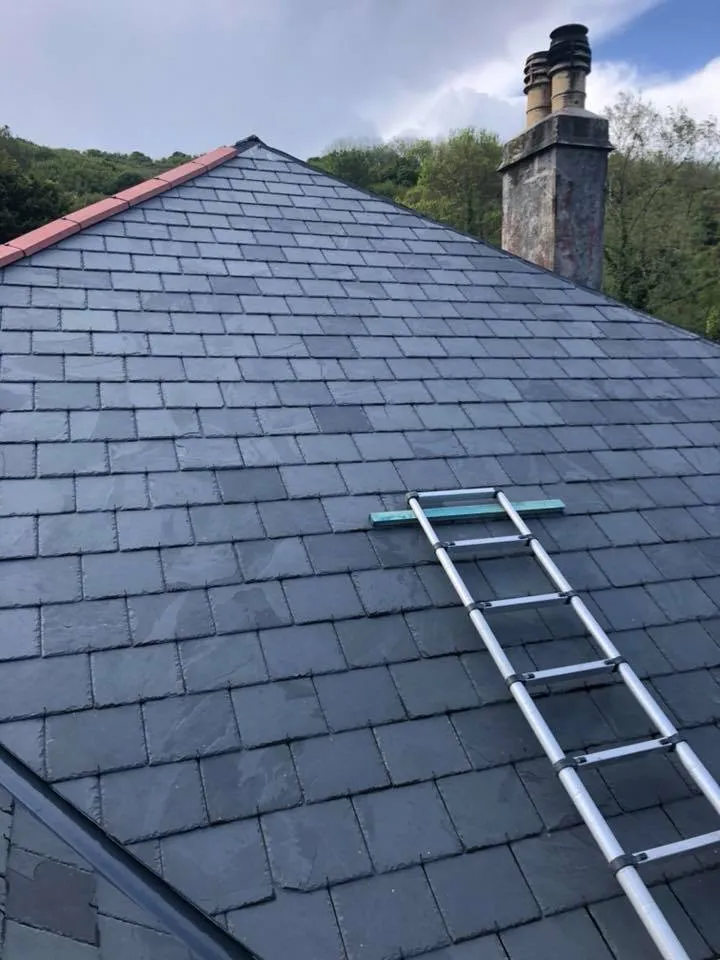
The key principle is consistency: same materials, same pitch, same height, same overall appearance. Worn-out concrete tiles replaced with new concrete tiles, old natural slate replaced with matching natural slate. That covers the overwhelming majority of re-roofing work we carry out across Derby and Derbyshire.
Permitted development applies across all Derbyshire local authority areas — Derby City, Derbyshire Dales, Amber Valley, Erewash and South Derbyshire. It’s a national framework, not a local one, so the rules are the same whether your property is in Mickleover, Belper or Long Eaton.
There are exceptions. Permitted development does not apply to flats, some new-build properties, or properties in designated areas such as conservation areas, listed buildings, or within the Peak District National Park. We cover each of those below.
Can You Change Roofing Materials Without Planning Permission in Derbyshire?
Switching materials is where the “like-for-like” rule starts to matter. Replacing natural slate with natural slate is straightforward. Replacing natural slate with concrete tiles — or old plain clay tiles with a modern interlocking profile — may or may not be acceptable, depending on your property’s location and the degree of visual change.
The test planners apply is whether the new material is “similar in appearance” to the original. This isn’t always clear-cut. Derby City Council and Derbyshire Dales District Council both have local planning policies on materials, particularly in sensitive areas.
- Likely to be fine without permission: concrete tiles to concrete tiles, slate to slate, clay to a visually similar clay
- Worth checking first: natural slate to fibre cement slate, clay plain tiles to concrete plain tiles, or any change that alters the colour or texture significantly
- Higher risk: traditional materials to modern metal sheeting or highly reflective profiles, even outside a conservation area
If you’re considering a material change and your property is in an older part of Derby — Normanton, Darley Abbey, Spondon, Allestree — or in a Derbyshire market town, it’s worth a quick call to the council’s planning department before ordering materials. Most pre-application enquiries are free.
Conservation Areas in Derbyshire — What Changes for Your Roof?
Living in a conservation area changes the planning picture. Conservation areas are designated by local authorities to protect places of special architectural or historic character. Derby City Council and the district councils across Derbyshire all have designated conservation areas within their boundaries.
For most roof replacements — same materials, same pitch, no change to the roof structure — permitted development rights generally remain in place even in a conservation area. However, there is an important exception specific to Derby: council guidance confirms that in certain Derby conservation areas, including the Arboretum area, planning permission is required for alterations to roof coverings facing a highway.
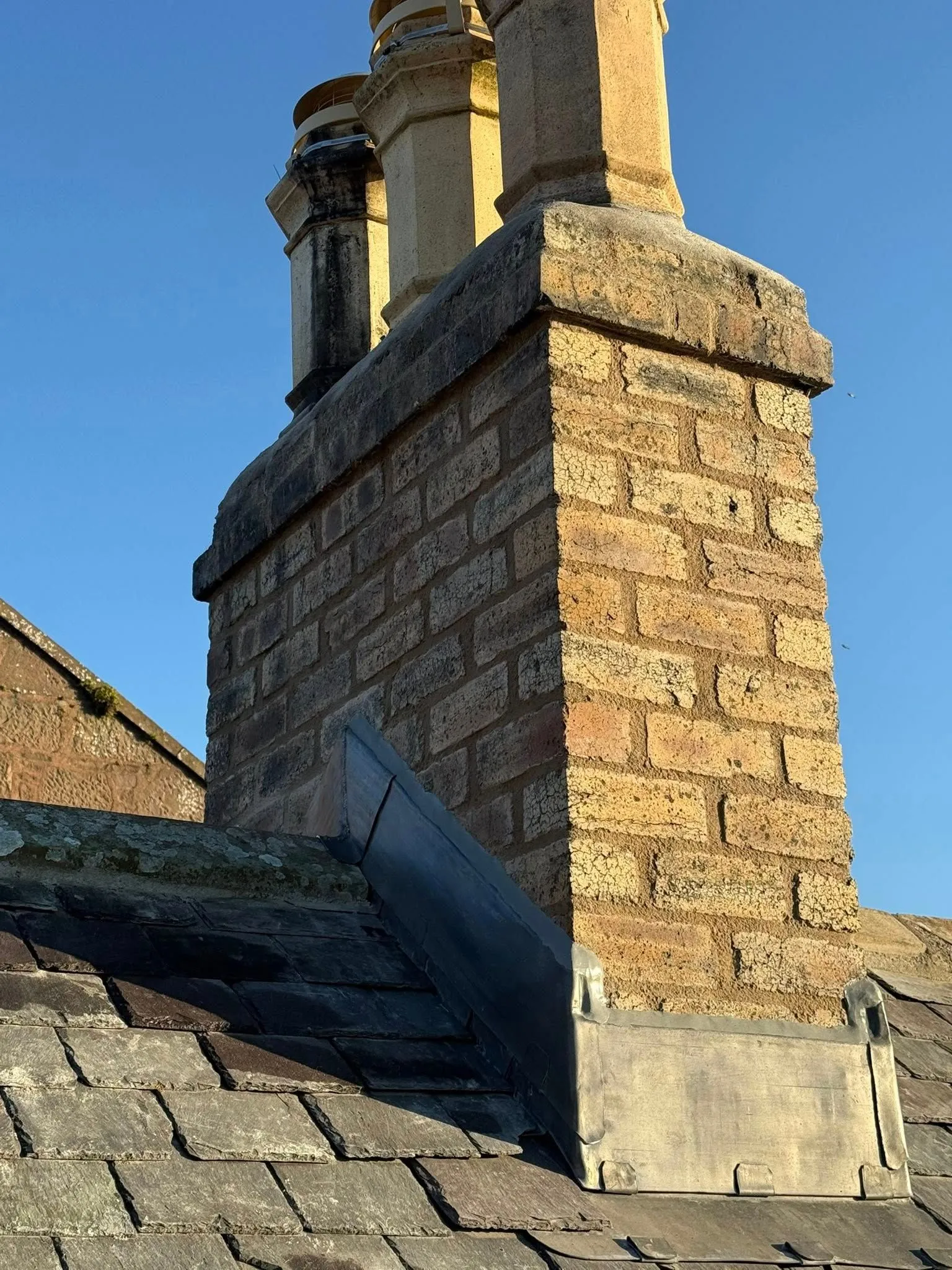
Derby conservation areas to be aware of:
- Arboretum
- Cathedral Quarter / city centre
- Darley Abbey
- Friargate
- Other designated areas across the city
Outside Derby city, conservation areas in Bakewell, Matlock, Melbourne and other Derbyshire towns have their own designations, and the rules vary by area. If you’re unsure whether your property falls inside one, ask us — we’ll check as part of your free roof survey.
Listed Buildings in Derbyshire — You Need Listed Building Consent, Not Just Planning Permission
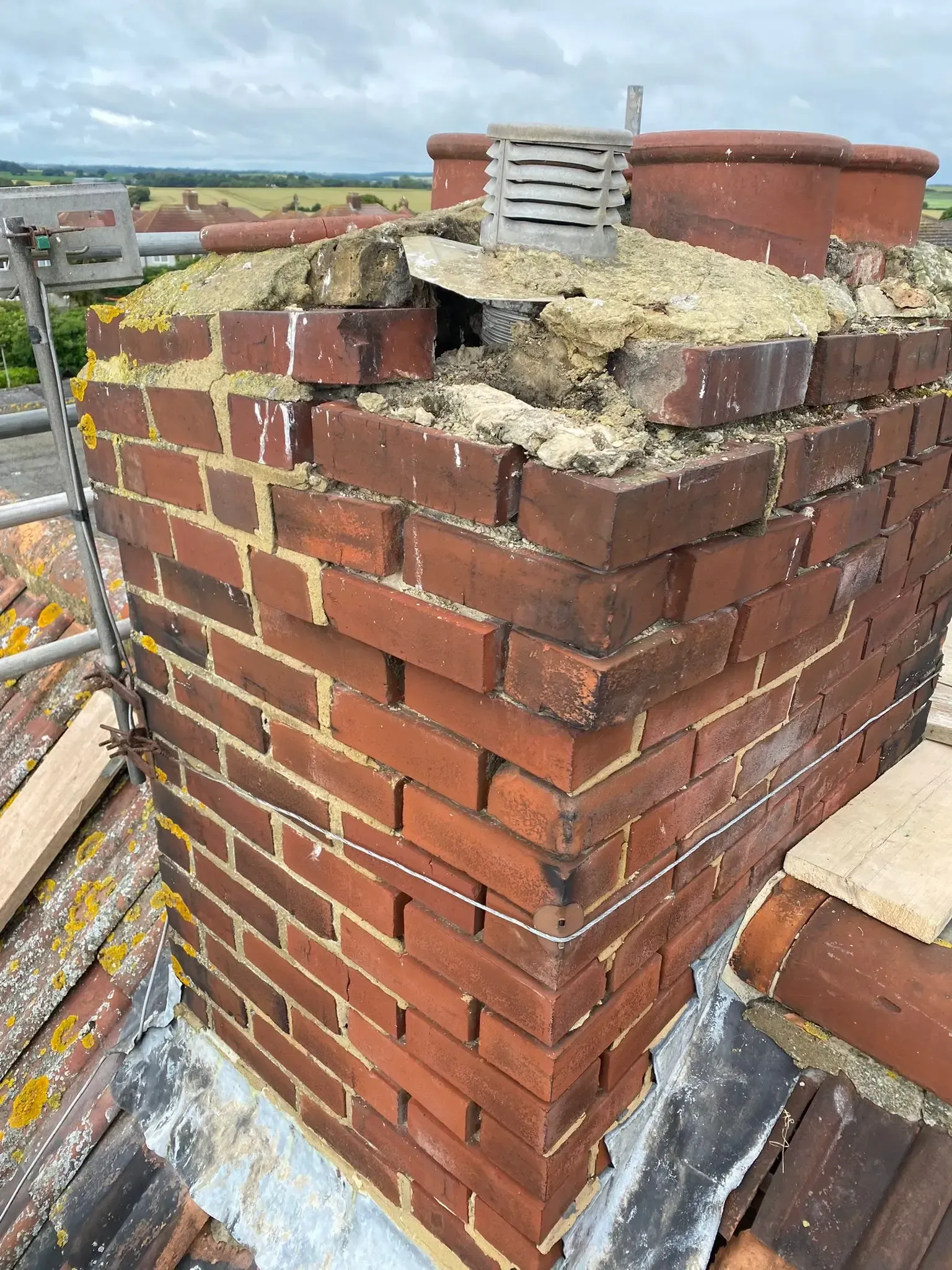
A listed building is a different situation entirely. If your property is listed — Grade I, Grade II* or Grade II — any work that affects its character requires Listed Building Consent. This is separate from, and in addition to, planning permission. You cannot simply assume that permitted development covers you.
Listed Building Consent covers both external and internal work, including the roof. Replacing roof tiles on a listed building — even with identical materials — can require consent if the council decides the work affects the building’s character or historic fabric.
You need Listed Building Consent before any roofing work begins. The application goes to Derby City Council or the relevant district council, depending on where your property sits. Historic England maintains the national register of listed buildings, so you can check your property’s status before doing anything else.
Carrying out work to a listed building without consent is a criminal offence under the Planning (Listed Buildings and Conservation Areas) Act 1990. Derbyshire has a high concentration of listed buildings, from estate cottages in the Derbyshire Dales to Victorian terraces in Derby city, and we’ve worked on listed properties across the area.
The Peak District and Article 4 Directions — Derbyshire’s Hidden Planning Rules
Two planning designations catch Derbyshire homeowners out more than any other. Both can mean that work that would be straightforward permitted development elsewhere requires a full planning application.
The Peak District National Park: the Peak District National Park Authority (PDNPA) operates as its own planning authority. Properties within the National Park boundary aren’t subject to the normal district council rules, and permitted development rights are more restricted. The boundary isn’t always obvious — some villages that feel like ordinary Derbyshire settlements sit inside it. If your property is in or near Bakewell, Matlock, parts of Buxton or the Hope Valley, check the PDNPA boundary map before assuming permitted development applies.
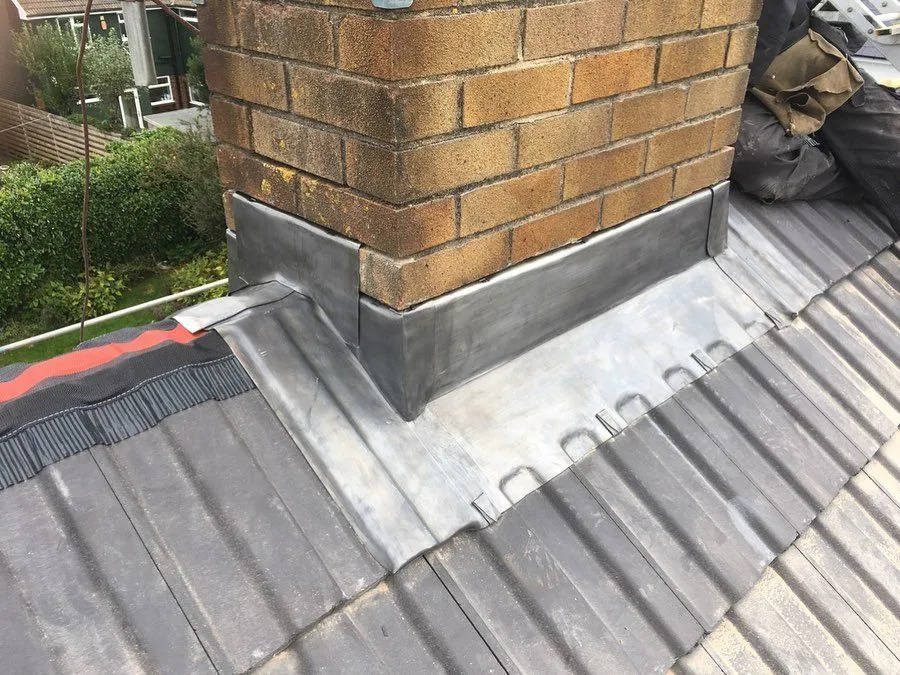
Article 4 Directions in Derby: an Article 4 Direction removes specific permitted development rights from a defined area. In Derby, Article 4 Directions have been applied within the city’s conservation areas — where one is in place, work that would normally be permitted development, including some roof alterations, requires a planning application. Derby City Council also has a separate Article 4 Direction covering houses in multiple occupation (HMOs) in parts of the city.
We work across all of these areas, from Derby city centre to Bakewell and Matlock. Call us on 01332-529704 and we’ll advise on your specific property as part of a free survey.
Building Regulations for a New Roof — The Requirement That Catches People Out
Planning permission and building regulations are entirely separate requirements. A roof replacement can be permitted development — no planning application needed — and still require building regulations notification. The two systems run in parallel, and confusing them is one of the most common mistakes homeowners make.
Building regulations apply when re-roofing more than 25% of the total roof area. When that threshold is crossed, the work must comply with current insulation standards set out in Approved Document L — in practice, upgrading the roof insulation as part of the re-roof. For most full roof replacements, this is a standard part of the job.
There are two ways to get the work signed off. A roofer registered with a competent person scheme — such as the National Federation of Roofing Contractors — can self-certify the work, or a building notice can be submitted to the local authority before work starts, with a building inspector signing off on completion. Both routes produce a compliance certificate that insurers, mortgage lenders and solicitors can all ask to see.
Structural alterations go further: changing from a flat to a pitched roof, or removing and rebuilding the roof structure, requires full building regulations approval, not just notification. We advise on this as a standard part of every roofing project we carry out.
Dormer Windows, Rooflights and Roofline Changes — A Different Category
Adding a rooflight, dormer, or altering the roofline is a design change rather than a like-for-like replacement, so it’s assessed separately from a straight re-roof. Rear dormers on most standard Derby houses can fall within permitted development, subject to size limits — the addition must not project more than 150mm from the roof plane and must not exceed the height of the existing roof.
Front dormers visible from the street typically require planning permission, and loft conversions that significantly alter the roof shape or volume may also need permission. This is more likely to require full planning permission on a street-facing slope, in a conservation area, or on a listed building.
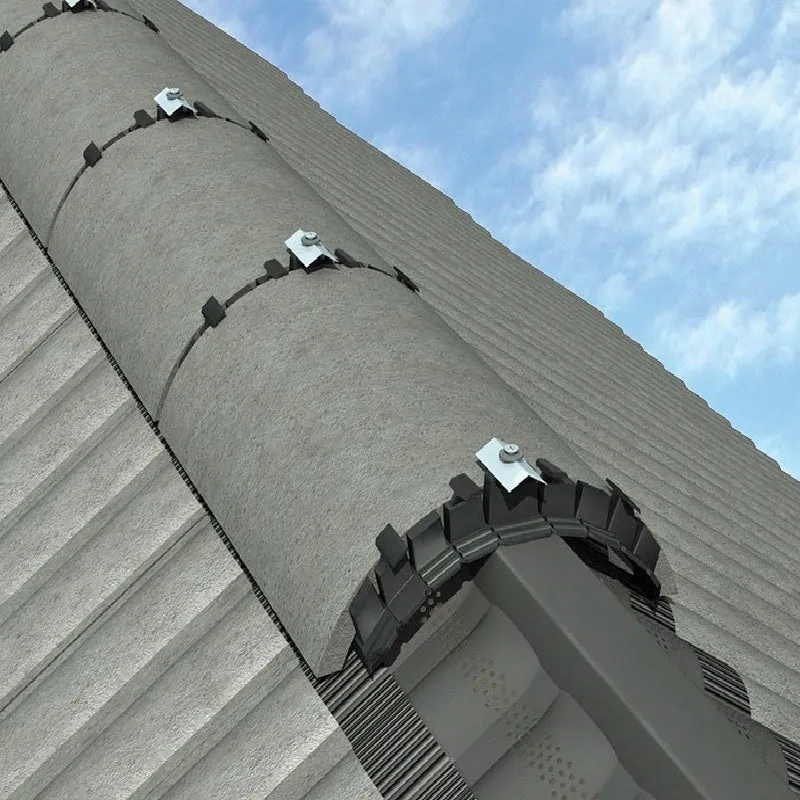
We flag this distinction during the survey rather than assuming a dormer or rooflight falls under the same permitted development allowance as the rest of the roof, so you know where you stand before any design work is finalised.
How We Work Out Which Planning Route Your Roof Falls Under
Working out which of the four categories your roof falls into rarely costs anything by itself — a pre-application enquiry to the council is usually free, and the check carried out during your free drone survey costs nothing either. Here’s how it runs from first call to signed-off certificate.
- Book the free drone survey: before anything is quoted, we check whether the roof is permitted development, sits in a conservation area or Article 4 zone, is listed, or falls within the Peak District boundary.
- Work out which category applies: we weigh up what’s proposed against the four categories — like-for-like permitted development, a change needing full planning permission, Listed Building Consent, or a building regulations notification — checking council conservation area maps and listing records.
- Quote against the confirmed route: the written quote sets out which category the job falls into and, where the 25% threshold is crossed, which building regulations route applies.
- Submit the building notice, where one’s needed: if a building notice is required, it’s submitted to the local authority before work starts, so sign-off isn’t left until the end of the job.
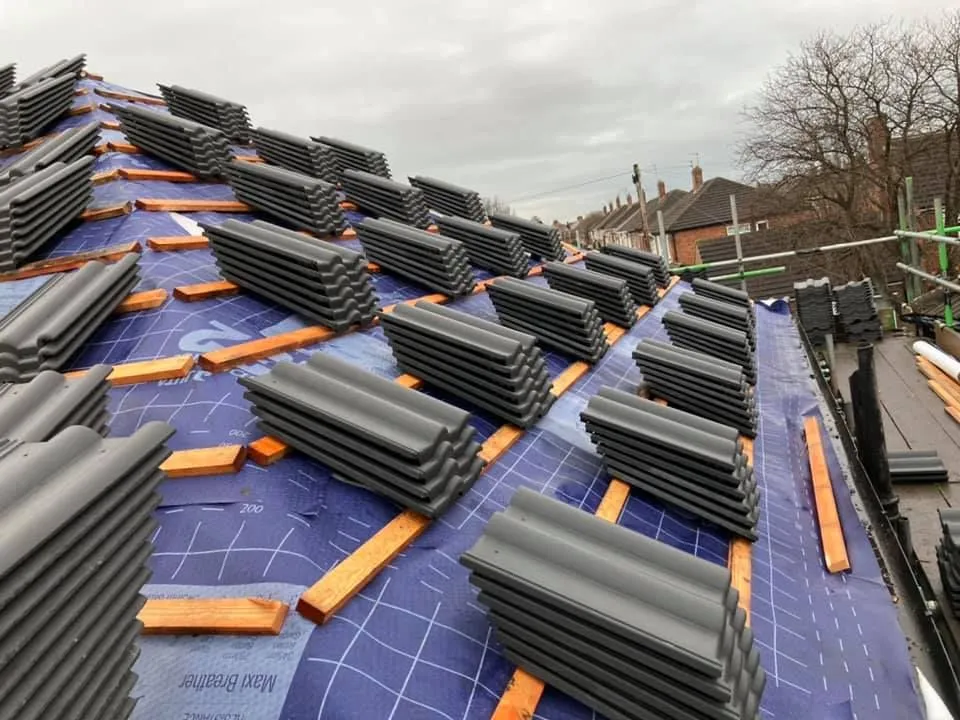
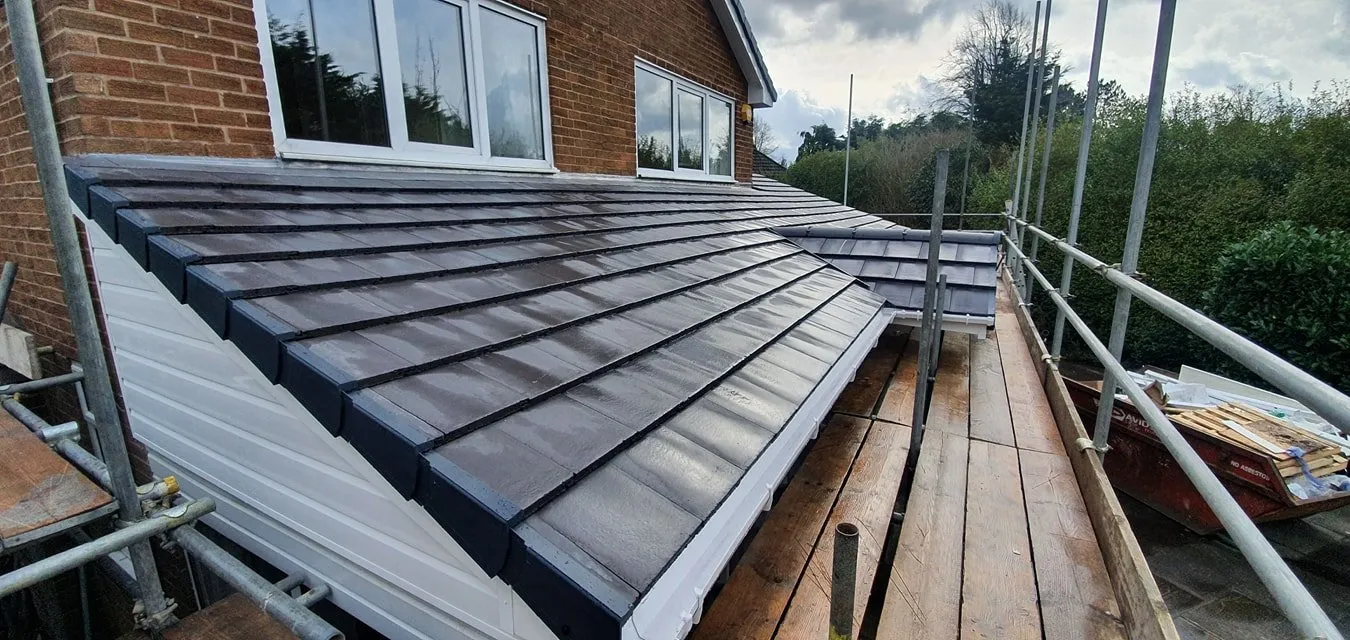
- Carry out the re-roof: installation uses BBA-approved materials and meets current Approved Document L insulation standards where notification applies, with IPAF and PASMA-certified access used on tall or awkward roofs.
- Sign-off and certificate: a building inspector or our competent person scheme signs off the completed work, and you get the compliance certificate for your records, a mortgage lender, or a future buyer’s solicitor.
Fees only start once you’re into a formal process: a full planning application, a Listed Building Consent application, or a Lawful Development Certificate all carry a council fee that varies by application type. Getting the category wrong is where the real cost sits — treating a job as permitted development when it needed Listed Building Consent can mean a retrospective application, indemnity insurance, or reversing completed work, all of which cost more than the free check would have.
What Happens If Roof Work Was Done Without the Right Permission?
This is a situation we hear about more often than you might expect. A previous owner had a roof replaced, planning permission was needed but never obtained, and the issue surfaces during a sale or insurance claim.
Retrospective planning permission — or a Lawful Development Certificate — is possible in many cases. Derby City Council confirms that homeowners will generally be given the opportunity to apply for retrospective permission where appropriate. However, it’s not guaranteed: if the council decides the work is unacceptable, it can require you to reverse it. Enforcement action on most building works is generally subject to a four-year time limit, though current rules should be verified.
Insurance and selling implications: home insurance policies are typically conditional on the property complying with planning and building regulations, and solicitors check for compliance as a routine part of conveyancing. Missing certificates and unresolved planning issues will be flagged to a buyer and their lender, which can delay or complicate a sale.
If you’ve bought a Derby property and are unsure about previous roof work — or you’re about to sell and want to know where you stand — we’re happy to look at any roof across Derby or Derbyshire and give you an honest picture of what you’re dealing with.
How We Helped a Homeowner in Breadsall Avoid a Building Regs Surprise
A homeowner in Breadsall contacted us after getting two quotes from other roofers — neither had mentioned building regulations. The property was a detached house with a full pitched roof that needed stripping and replacing, well over the 25% threshold that triggers building regulations notification.
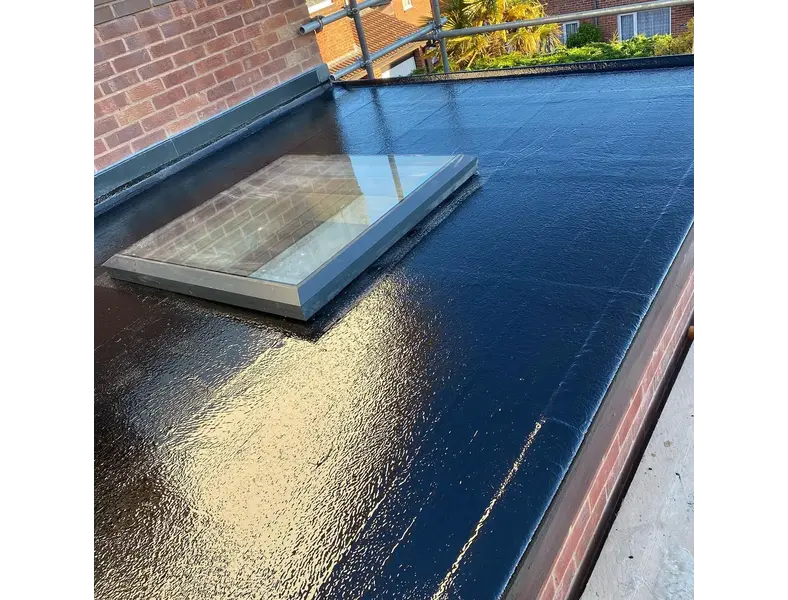
We carried out a free drone survey, confirmed the full scope of work, and explained both the planning position and the building regulations requirement upfront. The roof itself was straightforward permitted development — no planning application needed — but the building regulations notification wasn’t optional, and the homeowner needed a compliance certificate for a remortgage planned later that year. We submitted the building notice, completed the re-roof using BBA-approved materials, and the work was signed off by the building inspector on completion. The homeowner had the certificate in hand before their remortgage application went in — no surprises, no delays, just a job done properly from the start.
Planning-Aware Roofing Advice Across Derby and Derbyshire
Derby is home base, and most of the planning detail on this page — Derby City Council’s conservation areas, its Article 4 Directions, its planning portal — applies directly there. We also cover the wider Derbyshire area, including Matlock, Bakewell, Belper and the Peak District National Park boundary villages. Planning and conservation rules are set locally, so if you’re outside Derbyshire, check with the relevant local authority for that area — and call us on 01332-529704 for the roofing side of the job wherever you’re based.
- Derby (DE1)
- Long Eaton (NG10)
- Belper (DE56)
- Borrowash (DE72)
- Breadsall (DE21)
- Mickleover (DE3)
- Ashbourne (DE6)
- Ilkeston (DE7)
- Willington (DE65)
- Chesterfield (S40)
- Matlock (DE4)
- Bakewell (DE45)
- Swadlincote (DE11)
- Markeaton (DE22)
- Heanor (DE75)
- Ripley (DE5)
- Alfreton (DE55)
- Burton on Trent (DE13)
- Buxton (SK17)
- Nottingham (NG)
Frequently Asked Questions About Planning Permission for a New Roof in Derbyshire
Do I need planning permission to replace my roof like-for-like?
Usually not. Replacing tiles or slates with the same material, keeping the same pitch and height, on a standard house outside a conservation area or Article 4 zone counts as permitted development under national planning law, so no application is needed. It stops being automatic the moment any one of those conditions changes — a different tile colour or profile, a taller ridge, or an address inside a protected area can move the job into full planning permission instead.
What's the difference between planning permission and building regulations for a new roof?
Planning permission is about what you can build and where. Building regulations cover how the work is carried out and whether it meets safety and energy efficiency standards. A like-for-like roof replacement generally doesn't need planning permission, but if you're re-roofing more than 25% of the roof, building regulations notification is required. You can need one, both, or neither — it depends on the scope and location of the work.
Does my Derbyshire home need planning permission for a roof replacement if it's in a conservation area?
In most conservation areas, a standard like-for-like replacement does not require planning permission. However, in certain Derby conservation areas — including the Arboretum area — planning permission is required for alterations to roof coverings facing a highway. If an Article 4 Direction is also in place, additional works may require a planning application. Always check with Derby City Council or your district council before starting work in a conservation area.
Do I need Listed Building Consent to replace a roof on a listed building?
Yes. Listed Building Consent is required for any work on a listed building that affects its character, and this includes roof replacements. This applies to all grades of listing: Grade I, Grade II* and Grade II. Carrying out work without consent is a criminal offence. Check your property's listed status on the Historic England register and speak to the council's conservation officer before any work starts.
Can I change the roofing material without planning permission?
It depends on the degree of change and your property's location. Replacing like-for-like — concrete tiles for concrete tiles, slate for slate — is generally fine under permitted development. A significant material change that alters the appearance of the roof may require permission, particularly in conservation areas, the Peak District, or on listed buildings. If in doubt, check with your local planning authority before ordering materials.
What is an Article 4 Direction and how do I know if my street has one?
An Article 4 Direction removes some or all permitted development rights from a specific area, meaning work that would normally be automatic needs a full planning application instead. Derby City Council has designated Article 4 Directions in parts of the city, usually tied to conservation areas. We check your address against the current Article 4 map as part of the free drone survey; you can also search by postcode on the council's planning portal.
Does living within the Peak District National Park mean I need planning permission for a roof replacement?
Possibly. The Peak District National Park Authority operates its own planning system, and permitted development rights are more restricted within the National Park boundary than elsewhere in Derbyshire. A roof replacement that would be permitted development in Derby or Chesterfield may require a planning application within the Park. Check the PDNPA boundary and contact the PDNPA directly if your property falls within it.
What is the 25% roof area rule for building regulations?
Once re-roofing work covers more than 25% of the total roof area, it needs building regulations notification, either through a building notice submitted to the local authority or self-certification through a competent person scheme. This sits alongside planning permission rather than replacing it — a job can be permitted development for planning purposes and still need building regulations sign-off because of its size.
Do I need planning permission to add a dormer window or loft conversion?
Dormer windows and loft conversions are treated differently from straight roof replacements. Rear dormers on most standard Derby houses can fall within permitted development, subject to size limits. Front dormers visible from the street typically require planning permission, and loft conversions that significantly alter the roof shape or volume may also need permission. We can advise on this as part of a free survey.
If I replace my roof without realising I needed planning permission, can I apply retrospectively?
In many cases, yes. Derby City Council confirms that retrospective planning applications are considered where appropriate. However, retrospective permission is not guaranteed — if refused, you may be required to undo the work. Enforcement action on building works is generally subject to a four-year time limit, though the current rules should be verified.
Will my home insurance be affected if my roof was done without planning permission or building regulations sign-off?
It can be. Home insurers may question compliance with planning and building regulations when handling a claim, and missing building regulations certificates are also flagged by solicitors during property sales. The impact varies by insurer and circumstance, but unresolved issues carry a real risk for both insurance and conveyancing. Indemnity insurance can sometimes resolve a conveyancing issue, but it does not fix the underlying position.
Will the free drone survey tell me for certain whether I need permission?
It gives you a clear working position based on the property's location, listing status, and the scope of work proposed, which is enough for most straightforward jobs. For a borderline case, we'll point you toward a formal pre-application enquiry or a Lawful Development Certificate application to the council, which gives a legally binding answer in writing.
Get Your Planning Position Checked Before You Book the Work
Most new roof replacements in Derbyshire don’t need planning permission — but conservation areas, listed buildings, Article 4 Directions and the Peak District boundary can all change that. Book the free drone survey before you commit to anything, so there's no last-minute scramble for a building notice or a conservation team sign-off once work is already underway.
Derby Roofers has spent over 20 years reading Derbyshire's planning quirks — Derby's Article 4 Directions, the Peak District boundary, the county's listed cottages — so they're familiar rather than a fresh lookup on every job.
- ✅ Free drone survey checks your planning position before you're quoted
- ✅ 20+ years reading conservation area, Article 4, and listed building rules across Derby and Derbyshire
- ✅ IPAF & PASMA-certified team for safe access on tall, listed, or awkward roofs
- ✅ Written, no-obligation quote against your confirmed planning route
Call us to get a date in the diary and settle the planning position alongside your quote.