Chimney Removal Holbrook near Belper Derbyshire
Call: 01332-529704
Holbrook’s hillside position and older stone construction mean chimney work here calls for careful access planning as much as demolition skill. Whether you need the external stack taken down, the internal breast cleared for extra space, or both, a site survey confirms the right approach for your property before any date gets booked.
- IPAF & PASMA Certified Team
- Free, No-Obligation Site Survey
- Stone-Built Home Specialists
Chimney Removal in Holbrook, Belper & the Amber Valley
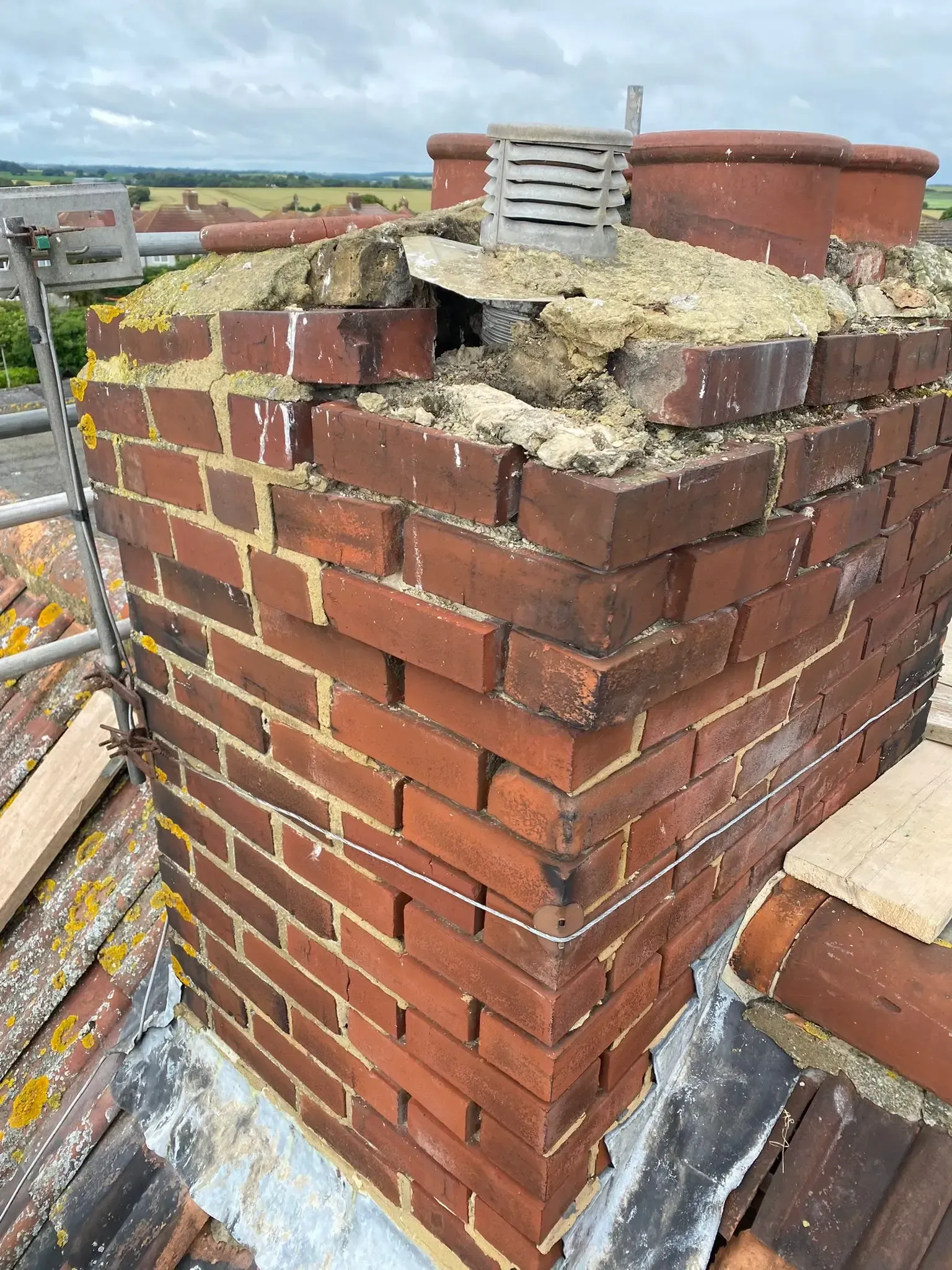
Holbrook is a hilltop village sitting about five miles north of Derby and two miles from Belper. Many homes here are older stone-built cottages and Victorian properties. A lot of them still have original chimney stacks that are no longer in use.
We carry out chimney removal in Holbrook near Belper, Derbyshire, covering the full village and surrounding areas, including Holbrook Moor, Coxbench, Milford and Makeney. We travel to you — no need to come to us.
Many Holbrook properties date back to the 1800s. The chimney stack and breast were built as part of the home’s structure, so removal is a structural job, not just a demolition task. There are two main types of work: external stack removal — taking down the stack above the roofline — and internal breast removal — clearing the chimney breast from one or more floors inside the home. You may want one, the other, or both.
- External stack only: the visible part above the roof comes down, then the roof is made weatherproof and tiled to match — common when a stack is leaking, crumbling, or being removed as part of a re-roof
- Internal breast only: the breast is taken out from inside the room and the stack stays in place above, usually supported with a steel RSJ beam fitted in the ceiling
- Full removal: both the breast and stack come down entirely — more disruption, more work, but a cleaner result for major renovations
- Partial takedown: the stack is reduced to below roofline only, common when the stack is damaged but internal work is not needed
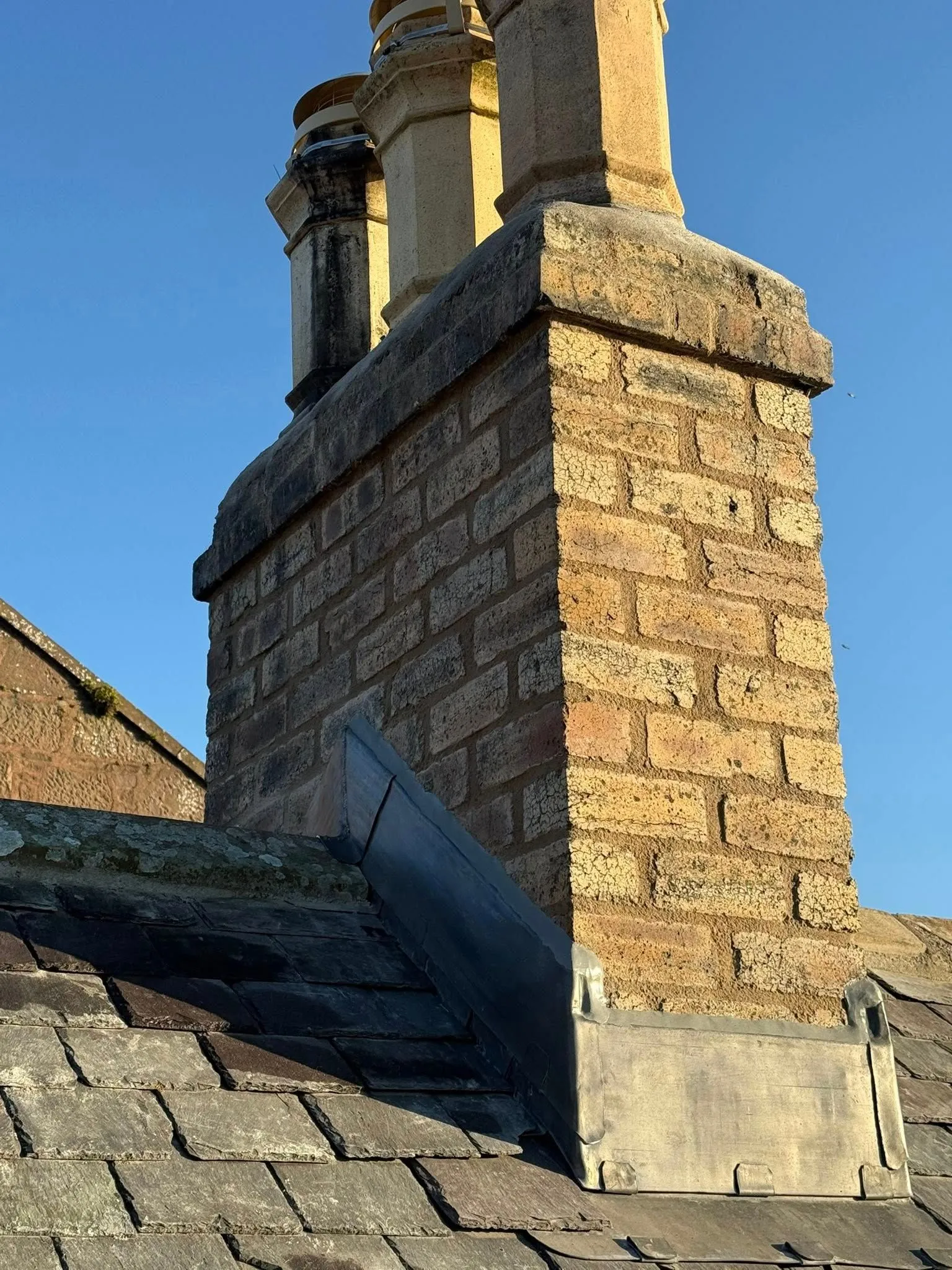
Holbrook’s stone construction means the rubble is heavier and the mortar type differs from standard new-build brickwork. We account for that at survey stage, and stone debris is removed from site as part of every job. Homes near Holbrook village centre, along Belper Road and Town Street, often have original fireplaces intact on multiple floors — if your home has a breast on both ground and first floor, we assess the structure across both levels before starting.
- IPAF and PASMA certified team for scaffold and access tower work on Holbrook’s hilltop properties
- Free, no-obligation site survey before any firm quote
- Specialist experience with stone-built homes across Holbrook and the wider Amber Valley
How to Decide: Full Removal vs Partial Stack Takedown
Most homeowners in Holbrook and the surrounding villages — Duffield, Little Eaton, Horsley — are making this decision for one of a few reasons. They are converting a room and want the space back, their stack is damaged and too costly to keep repairing, or they are selling and want the property to look clean from the outside. Here is a plain guide to help you decide before we visit.
Remove the external stack only if: the stack is crumbling, leaking or tilting; you are having a new roof put on at the same time; or the internal breast is in good condition and you want to keep the fireplace opening.
Remove the internal breast only if: you want extra floor space in a living room or bedroom; the fireplace has not been used for years and you plan to plaster over; or the stack above is sound and can be supported with a steel beam.
Go for full removal if: the chimney is deteriorating throughout; you are doing a major renovation and want a clean finish on all floors; or the stack is already at risk and repairs are not cost-effective.
Edwardian and Victorian homes in Holbrook often have chimney breasts on both floors. Removing the ground floor breast while keeping the first floor and stack is common — the section left above must be properly supported, with a steel RSJ beam fitted into the ceiling joists the standard method. Gallows brackets are an alternative in some cases but are subject to building control approval — we advise on this at survey stage.
If your home is terraced or semi-detached and the chimney is on a shared wall with your neighbour, you will need to serve a Party Wall Notice before work begins. This is a legal requirement under the Party Wall Act 1996. We flag this at quote stage if it applies to your property.
Permit and Planning Checks You May Need Before Work Starts Near Belper
This section covers the checks that matter for Holbrook properties. It is not legal advice, but it tells you what to ask and who to contact before booking.
Building Regulations — almost always required. Removing a chimney breast is a structural alteration, so a Building Regulations application is needed in almost every case. You will need approval from Derbyshire Building Control Partnership (DBCP), which handles building control for Amber Valley Borough Council. At the end of the job you receive a completion certificate — important if you ever sell the property, as buyers’ solicitors will ask for it. We advise on what is needed at survey stage and can guide you through the process.
Planning permission — less common, but check first. For most standard removals, planning permission is not required. However, there are exceptions:
- If your property is a Listed Building, listed building consent is needed for any structural work, including chimney removal. Holbrook has Listed Buildings in the parish — including Grade II Listed structures around St Michael’s Church. Check your property’s status before booking
- If your property is within a Conservation Area, permitted development rights may be reduced. Holbrook itself is not currently within the Belper and Milford Conservation Area, but properties near Milford and Makeney may be. Amber Valley Borough Council can confirm your property’s status at no charge
- Properties affected by an Article 4(2) Direction lose standard permitted development rights — check with Amber Valley Borough Council if you are unsure
Party Wall Act. If the chimney breast sits on a shared wall with a neighbour, you must serve a Party Wall Notice before work starts — a separate legal requirement from planning. We flag this when we survey your property.
Asbestos. Older properties in Holbrook and across this part of Derbyshire may have asbestos in flue liners, fire backs, or fireplace surrounds. If your home was built or renovated before 2000, it is worth arranging an asbestos survey before demolition begins. If asbestos is found during removal, work must stop and a licensed specialist must be brought in.
Gas connections. If a gas fire was ever connected to the chimney flue, a Gas Safe registered engineer must disconnect and isolate the supply before any removal work starts. This is not optional — we check for this at survey stage.
How the Removal Day Works: Preparing Your Holbrook Home
Knowing what to expect on the day makes the job go more smoothly for everyone. Here is what typically happens when we arrive at a Holbrook property.
Before we start
- We confirm access to the property and the roof
- Dust sheets go down across floors and furniture is covered or moved
- The room where the breast is being removed is sealed off from the rest of the house as much as possible — this is a dusty job
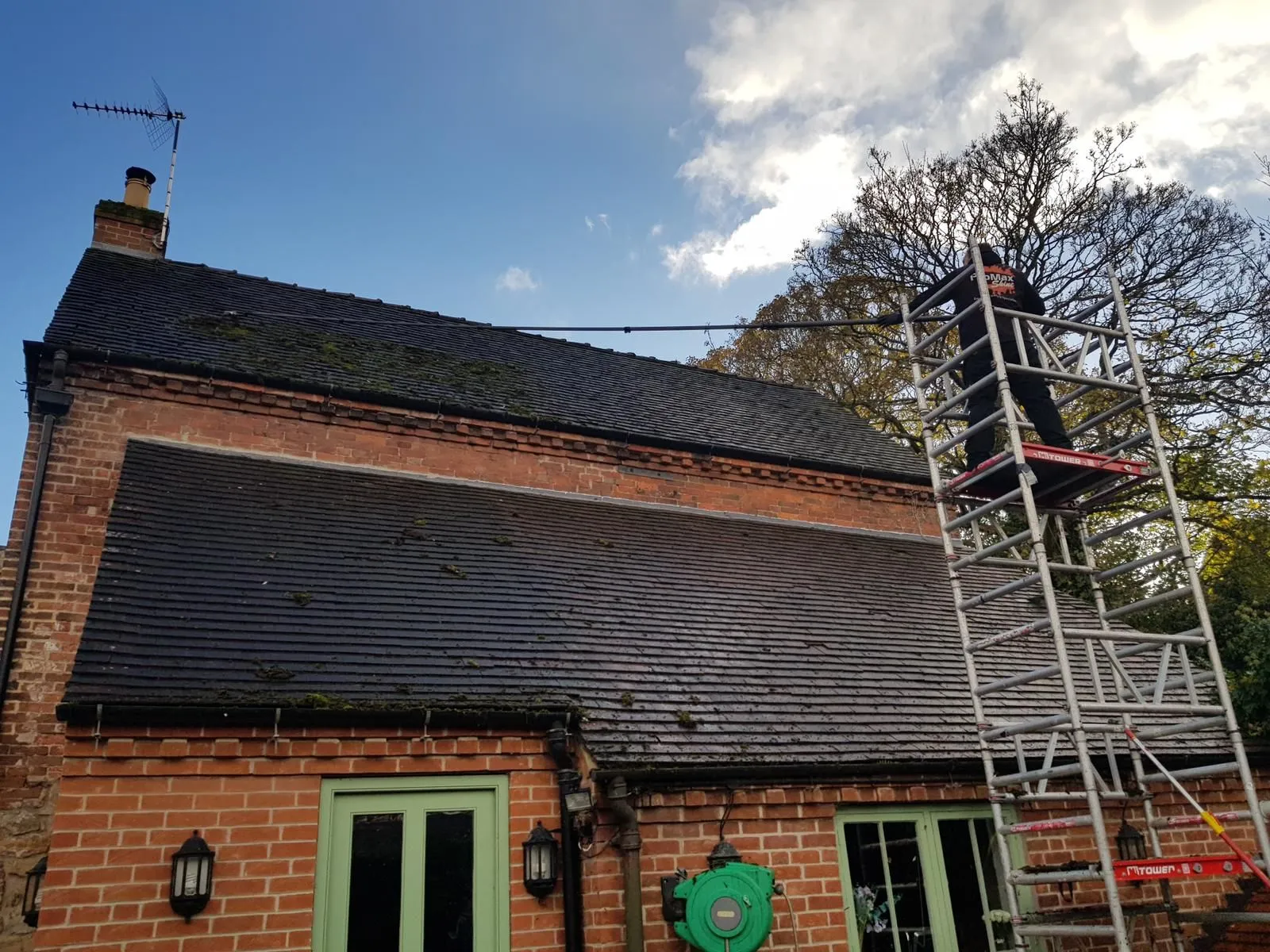
- Scaffolding is erected where needed for external stack work; Holbrook’s hilltop position means wind exposure is factored into how the scaffold is secured
During the job
- For external stack work, we work from the top down, removing brick or stone carefully
- For internal breast removal, temporary props (acrow props) support the structure above while the breast is taken out
- If a steel beam is being fitted, this is done once the breast is clear
- Rubble is removed in stages — we do not let it build up in the room
Access on Holbrook’s roads
Village roads in Holbrook can be narrow. Town Street, Stoney Lane, and the junction at Belper Road have limited parking and tight turns for larger vehicles. We discuss access with you before the job date — if you have off-road parking or a driveway, let us know when you get in touch. We plan routes so we are not blocked by parked cars or narrow sections during the working day. Some of the older cottage-style homes in Holbrook have large upper windows — a feature left over from the village’s framework-knitting history. These can be close to scaffolding lines or debris chutes, and we identify this during the survey and plan accordingly.

After the Stack Comes Down: Roof Repairs and Making Good
The removal itself is only part of the job. Once the chimney is down, the property needs to be made good — both on the outside and inside.
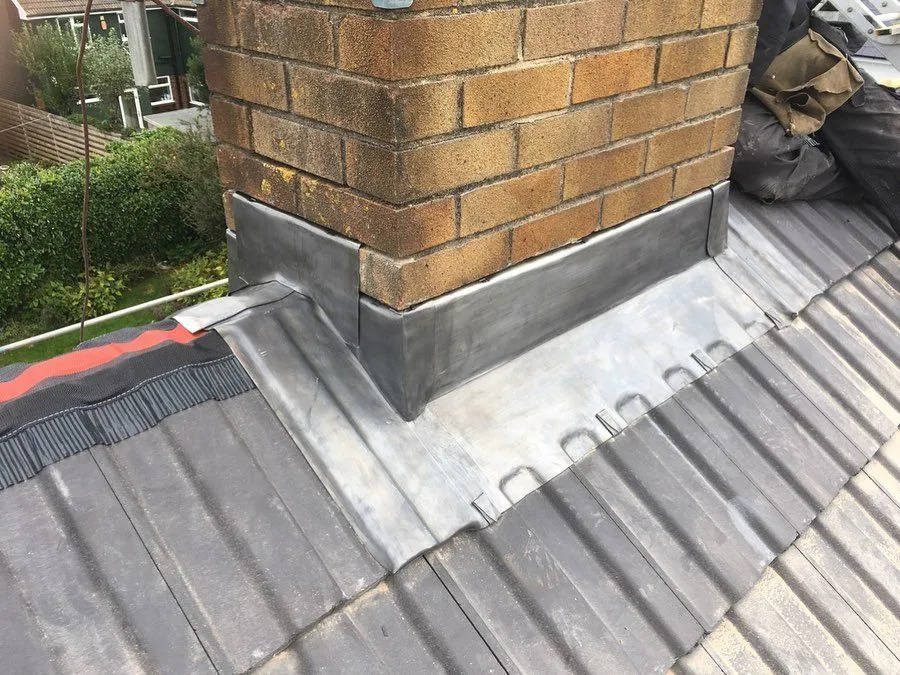
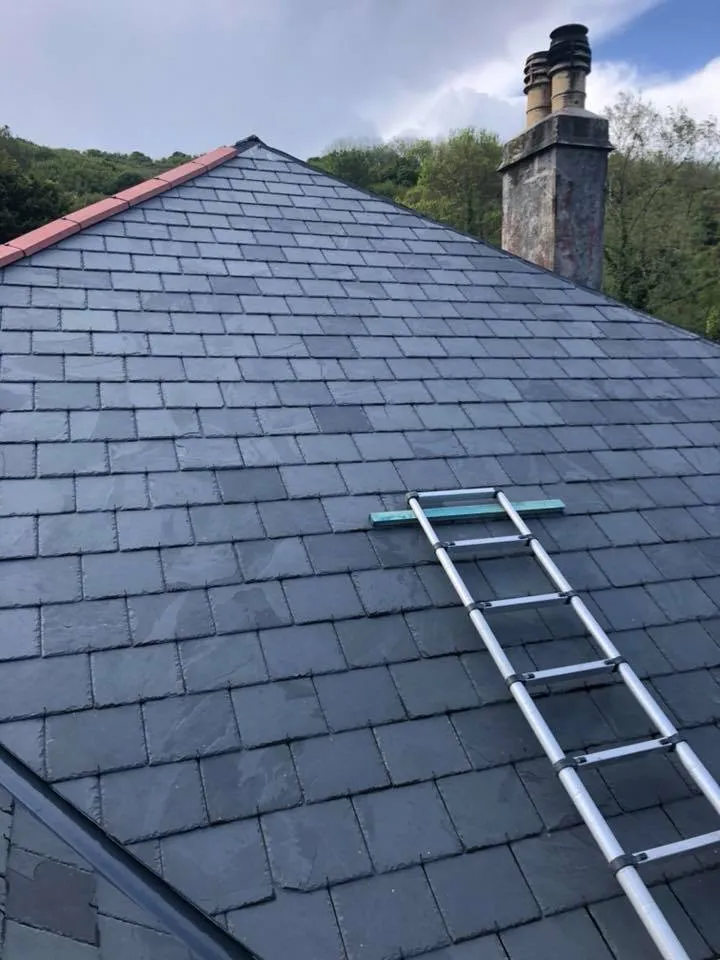
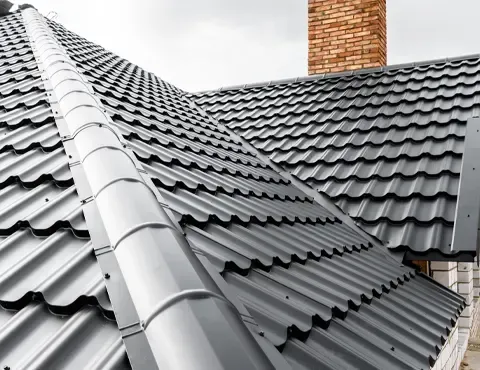
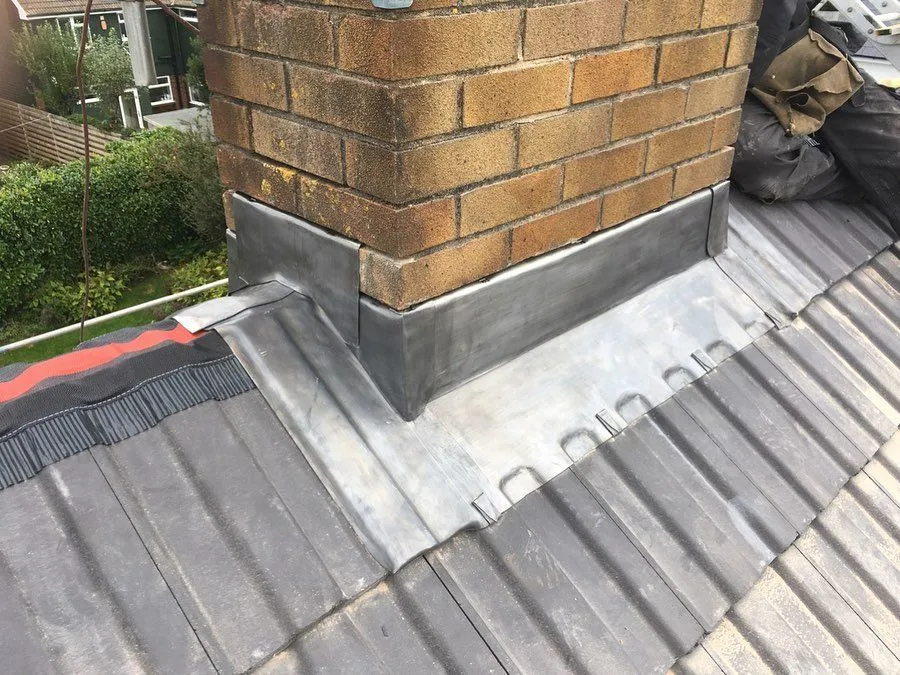
Roof and external finish. Removing the external stack leaves a void in the roof that must be weatherproofed before we leave the site. For Holbrook stone and tiled roofs, that means new roof battens fitted where the stack passed through, lead flashing stripped and the area properly sealed, tiles relaid and matched to the existing roof, and ridge tiles rebedded or replaced where affected. We do not consider a job finished until the roof is watertight and the exterior looks clean.
Internal making good. Once the breast is removed and the steel support is in place:
- Walls are replastered where the breast sat, including the chimney alcoves if the full breast is removed
- Ceilings are repaired or relined where the chimney passed through the floor above
- Floors are reinstated — many older Holbrook cottages have original flagstone or timber floors below the hearth, and where possible these are salvaged and relaid
- Joists that were built into the chimney structure may need replacing or extending — we flag this at survey stage if it applies
- The area is left plaster-ready and clean; decorating is the owner’s next step
Once the work is signed off, you will receive your building control completion certificate from DBCP. Keep this safe — it confirms the removal was carried out to regulation and will be required if you sell the property. If any neighbouring areas in Milford or Little Eaton have similar older properties requiring this kind of finishing work, the same approach applies — tile matching, structural support, and a clean plaster-ready finish on every job.
External Stack, Internal Breast, Partial or Full Removal Compared
| Removal Type | Typical Duration | Structural Support Needed | Best For |
|---|---|---|---|
| External stack only | Often completed in a day | None below roofline; roof re-tiled and weatherproofed | Crumbling, leaking or tilting stacks, or ahead of a re-roof |
| Internal breast only | Part of a three to four day job | Steel RSJ beam in the ceiling, or gallows brackets subject to approval | Reclaiming floor space where the stack above is sound |
| Full removal | Three to four days across two floors | Steel beam support plus make-good on every floor | Major renovations needing a clean finish throughout |
| Partial takedown | Similar to an external-only timeframe | Stack reduced to below roofline, no internal work | Damaged stacks where the inside isn’t being altered |
The Holbrook Chimney Job: What’s Included and What Costs Extra
- External stack removal down to roofline level, with the roof re-battened, re-flashed and re-tiled to match
- Internal breast removal with a steel RSJ beam fitted in the ceiling to support the stack left above
- Removal and disposal of stone or brick rubble from site, taken away in stages so it doesn’t build up in the room
- Lead flashing stripped and replaced, ridge tiles rebedded where the stack has affected them
- Replastering of the internal wall where the breast sat, including chimney alcoves on a full removal
- Reinstatement of floors below the hearth, with original flagstone or timber salvaged and relaid where possible
- Guidance through the Building Regulations application to Derbyshire Building Control Partnership and receipt of your completion certificate
- Dust sheeting, furniture protection, and sealing off the work area for the internal stages
Not Included / Costed Separately
- Asbestos survey and any licensed asbestos removal, which is arranged separately if flue liners, fire backs or surrounds test positive
- Disconnection of a live gas fire, which must be carried out by a Gas Safe registered engineer before we start
- Redecorating after plastering — the room is left plaster-ready, but painting and finishing is the owner’s next step
- Serving the Party Wall Notice itself and any associated surveyor or solicitor costs on shared-wall properties
- Listed Building consent or planning application fees where your property falls inside a Listed or protected area
- Gallows brackets as an alternative to a steel beam, since this route needs separate building control approval
Steps in a Holbrook Chimney Removal, Start to Sign-Off
- Enquiry and free site survey: Call or email to arrange a visit. We look at the stack’s condition, the stone or brick construction, road and roof access, and whether external, internal, partial or full removal fits what you want.
- Scope and compliance check: We confirm what Building Regulations approval from DBCP will involve, check whether your property is Listed or near the Belper and Milford Conservation Area with Amber Valley Borough Council, and flag any Party Wall or asbestos concerns.
- Quote and booking: You get a no-obligation quote covering the scope of work, likely duration, and anything that needs sorting first, such as an asbestos survey, gas isolation, or a Party Wall Notice.
- Preparation on site: Dust sheets go down, the work area is sealed off, and scaffold is erected and secured with Holbrook’s hilltop wind exposure factored in. Acrow props go up first for internal breast work.
- Removal and making good: The stack comes down top-first, or the breast is cleared and the steel beam fitted. The roof is re-tiled and weatherproofed, and internal walls, ceilings and floors are made good the same visit.
- Sign-off: Once the work is complete, you receive your Building Control completion certificate from DBCP to keep for your records or a future sale.
Chimney Removal Costs in Holbrook: What Drives the Number
Price depends mainly on scope — external stack only, internal breast only, or full removal across one or two floors — plus how much steel beam support and making good the job needs. Stone-built Holbrook properties add rubble that’s heavier to remove than standard brick, and scaffold access on narrower village streets can affect setup time too. An external stack-only job finished in a day generally costs less than a full removal spanning two floors over three to four days. Because construction and access vary from one Holbrook property to the next, a firm price is only given after a free, no-obligation site visit.
Trained for Hilltop Access, Not Just General Roofing
Holbrook’s hilltop position means scaffold and access equipment used for external stack work has to be secured against wind exposure that flatter Derby streets don’t face. Our team hold IPAF certification for powered access equipment and PASMA certification for mobile access towers, so the height work on Holbrook’s tighter village roads is carried out by trained operators rather than worked out on the day. Add in experience reading stone-built Amber Valley properties and direct dealings with Derbyshire Building Control Partnership for sign-off, and the job gets planned properly before anyone goes up.
Where We Cover Chimney Removal: Holbrook, Belper and Beyond
Holbrook comes first — the village itself, plus the Chevin Road and Moor Lane stretches climbing up toward Farnah Green, where stone-built cottages and steep, narrow access are the norm. From there, coverage runs down into Belper in full, taking in Bridge Street, Openwoodgate, and the riverside villages of Milford and Makeney below the town. Moving further along the A6 and B6179 corridors, the same team covers Duffield, Little Eaton, Kilburn, Denby and Ambergate, with Ripley, Heage and Crich also within reach to the east. As Derby Roofers, we work Derby city and its surrounding villages too, so a chimney job in Holbrook and one closer to the city centre get the same free site survey, IPAF and PASMA certified access work, and Building Control sign-off — distance from Holbrook only changes the travel time built into scheduling, not how the job is quoted or carried out.
- Holbrook
- Holbrook Moor
- Coxbench
- Milford
- Makeney
- Belper
- Duffield
- Little Eaton
- Horsley
- Kilburn
- Denby
- Ambergate
- Ripley
- Heage
- Crich
Frequently Asked Questions About Chimney Removal in Holbrook
Do I need planning permission to remove a chimney in Holbrook?
For most standard removals in Holbrook, planning permission is not required — but building regulations approval from DBCP almost always is. If your property is Listed or near the Belper and Milford Conservation Area, additional consent may be needed. Check with Amber Valley Borough Council before booking.
Can the chimney be removed in a single day?
Removing just the external stack above the roofline can often be done in a day. Full breast removal across two floors typically takes three to four days. A site survey confirms the exact timeline for your property.
What happens to the roof after the chimney stack comes down?
The void left by the stack is made weatherproof on the same visit. Tiles are relaid, lead flashing is stripped and replaced, and the roof is sealed before we leave. Tile matching to your existing Holbrook roof is discussed at quote stage.
Does the party wall with my neighbour affect the job?
If the chimney breast is on a shared wall with a neighbouring property, you must serve a Party Wall Notice before work begins. This applies to terraced and many semi-detached homes in Holbrook. We flag this at survey stage if it applies to you.
Is there an asbestos risk in older Holbrook properties?
Properties built or renovated before 2000 may have asbestos in flue liners, fire backs, or fireplace surrounds. We recommend an asbestos survey before any demolition if your home falls into this category. If asbestos is found during the job, work stops and a licensed specialist must be brought in.
Do you cover Holbrook Moor, Coxbench, and Milford as well as the main village?
Yes. We cover Holbrook, Holbrook Moor, Coxbench, Milford, Makeney, Horsley, and the wider Amber Valley corridor near Belper. Get in touch to confirm your address is within our service area.
What does chimney removal cost in Holbrook?
Cost depends on whether you need external stack removal, internal breast removal, or both, plus factors like scaffold access on Holbrook’s narrower streets, steel beam support, and how much making good is needed afterwards. Because every stone-built property here differs, we confirm a firm price only after a free site visit.
Are the roofers working on my chimney and scaffolding properly certified?
Yes. Our team hold IPAF certification for powered access equipment and PASMA certification for mobile access towers, which covers the scaffold and height access work used on external stack removals, including on Holbrook’s exposed hilltop properties.
Book a Free Site Survey Before Your Holbrook Stack Gets Worse
A stack that’s already crumbling or leaking on an exposed hilltop property doesn’t improve by waiting — every spell of weather adds to the risk of water finding its way into the roof void below it.
Get in touch for a free, no-obligation site visit and we’ll confirm what your Holbrook chimney needs, what consents apply, and a clear quote before any work begins.
- ✅ Free, no-obligation site survey
- ✅ IPAF & PASMA-certified access team
- ✅ Specialist experience with stone-built Amber Valley homes
- ✅ Building Control sign-off guidance included
Call or email to book your free survey — we respond to every enquiry.