
7 Warning Signs Your Roof Needs Urgent Attention — Derby Homeowners’ Guide
Call: 01332-529704
A leaking roof rarely announces itself all at once — it starts with small clues most Derby homeowners walk past every day: a patch of moss creeping across the tiles, a sagging line in the felt, or a hairline crack in a ridge tile. Left alone, those small clues turn into damp patches on a ceiling or a full roof replacement bill. This guide walks through the seven warning signs worth acting on, what causes each one, and when a straightforward repair is enough versus when the damage has gone further.
- Free Drone Roof Survey, No Obligation
- Written, Itemised Quotes Before Any Work Starts
- Workmanship Warranties Running Up To 20 Years
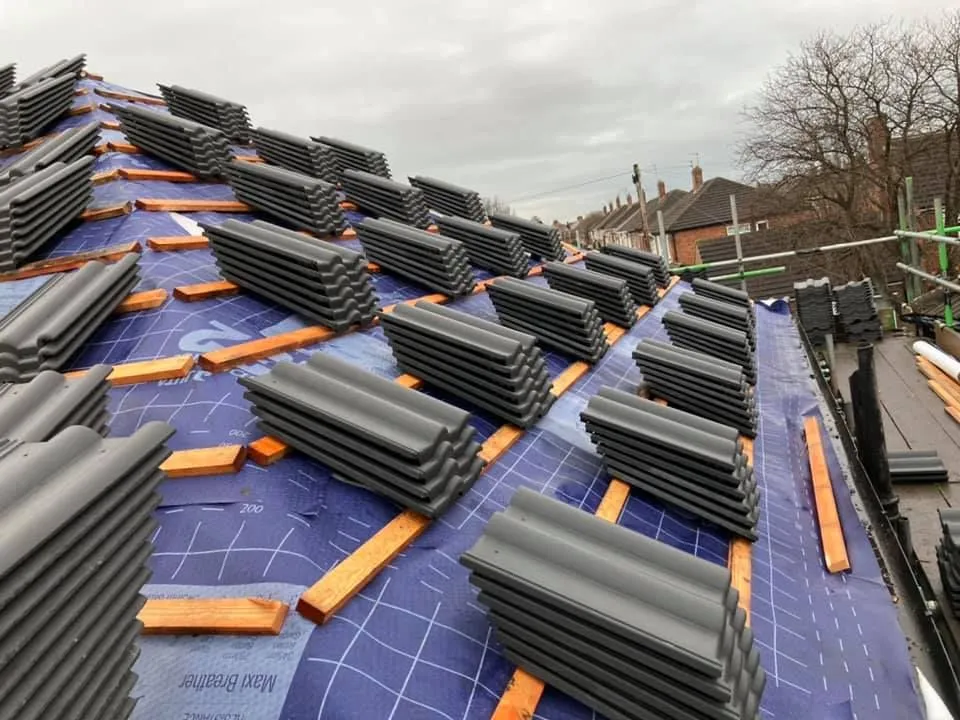
Why Derby Roofs Need Watching
Most Derby homeowners only think about their roof when something goes wrong inside the house. By then, the damage has often been building for months. A small problem on the outside can become a costly repair inside — fast.
Derby’s climate makes this worse. Damp autumns, cold winters, and freeze-thaw cycles put real pressure on roofs across the city. What starts as a cracked tile in Allestree or a loose ridge cap in Normanton can let in water that rots timbers, grows mould, and damages ceilings — all before you notice a single drip.
Derby’s housing stock is varied: Victorian terraces in Normanton and Spondon, post-war semis in Chaddesden and Littleover, modern extensions in Mickleover, and older clay tile roofs around Darley Abbey. Each property type ages differently, and freeze-thaw cycles crack mortar joints, damp autumns grow moss on north-facing slopes, and heavy rainfall pushes through any gap that has opened up in a flashing or valley.
The good news is that most roof problems give you warning. You just need to know what to look for. If you spot any of these seven signs on your Derby property, call us on 01332-529704 for a free drone roof survey — no scaffolding, no obligation.
1. Water Stains or Damp Patches on Your Ceilings or Walls
A brown or yellow stain on your bedroom ceiling is one of the clearest signs your roof is letting in water. It may look minor. It rarely is.
Water travels before it appears. A leak entering through a cracked tile or failed flashing in Mickleover can travel along rafters and felt before it shows up as a patch on the ceiling below. By the time you see it, water has already been in the roof structure for a while.
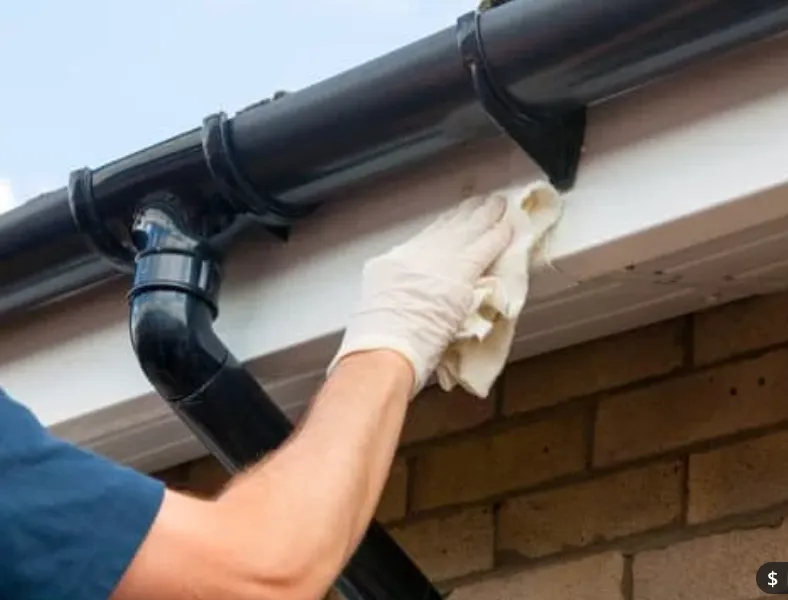
What to do: Check your loft space immediately. Look for wet or stained felt, damp insulation, or dripping onto the joists. Then call a roofer. Do not wait for the stain to grow.
We see this regularly on older Derby terraces where lead flashings around chimneys have failed quietly over years. A free drone survey will show us exactly where the water is getting in — without ladders or scaffolding.
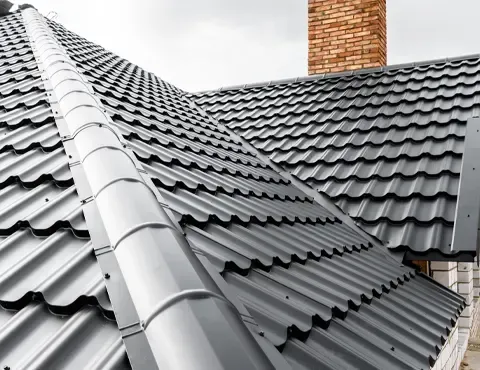
2. Missing, Cracked, or Slipped Roof Tiles
Stand across the road from your property and look at the roofline. You should see an even, consistent surface. Gaps, dark patches, or tiles sitting at odd angles are a sign that your roof covering has been compromised.
A single missing tile after a storm is not always an emergency — but it does need fixing quickly. Rain is rarely far away in Derbyshire. An open patch on your roof exposes the felt underlay beneath, and once that is wet and torn, you have a much bigger repair on your hands.
What to do: Do not climb onto the roof yourself. Call us on 01332-529704 and we will get up there safely and tell you exactly what needs doing, whether that is a single tile or widespread storm damage.
3. A Sagging or Uneven Roofline
A healthy roof has a straight ridge and even, consistent slopes. If your roofline looks like it is dipping in the middle, bowing at the eaves, or uneven from one end to the other, that is a structural warning sign.
Sagging usually means the roof timbers — rafters, purlins, or decking — have been weakened by prolonged water ingress or age. This is not a cosmetic issue. A roof that is sagging is under stress, and further loading from rain or wind can make the situation worse.
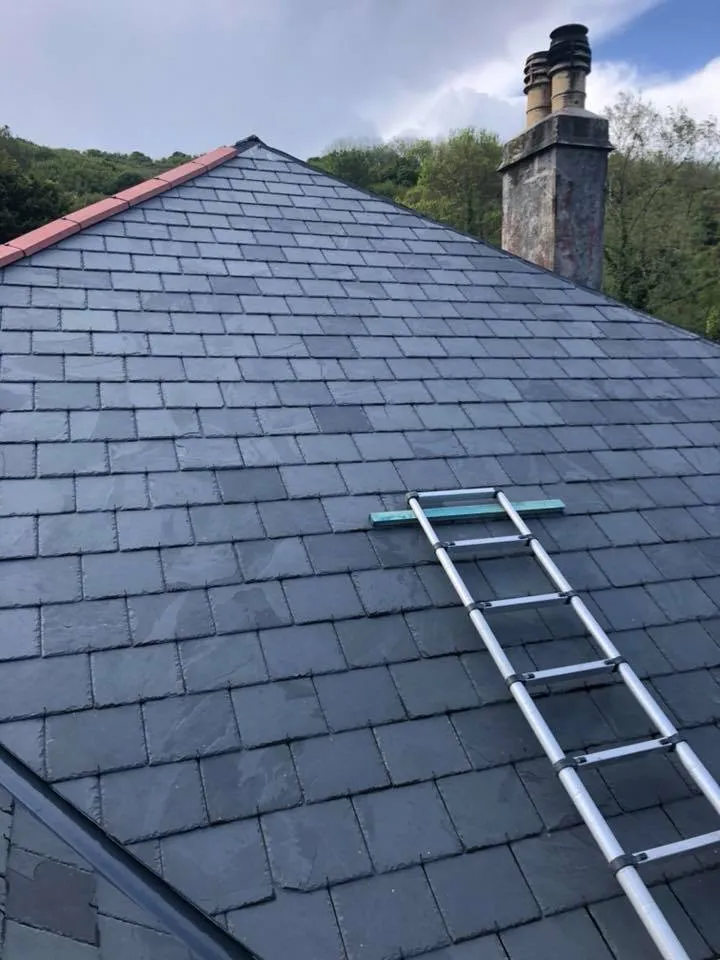
What to do: This requires urgent professional assessment. Do not delay. If you can see a visible dip in your roof from the street, call us immediately. We carry out full structural inspections as part of every free drone roof survey.
4. Daylight Visible in Your Loft Space
Go into your loft on a bright day. Turn the light off and let your eyes adjust. You should not be able to see daylight through the roof boards or felt. If you can, your roof has gaps — and water can get through wherever light can.
Even small pinpoints of light matter. They indicate that felt has split, tiles have shifted, or boards have cracked. In Derby’s wet climate, a gap that looks minor in summer will let in significant water through autumn and winter.
What to do: Note where the light is coming from and call a roofer. Do not attempt to patch it yourself — temporary DIY fixes can mask a larger problem and make it harder for us to find the true cause.
7. A Sudden Rise in Your Energy Bills
If your heating bills have gone up noticeably and you cannot find another reason, your roof may be to blame. A roof that is letting in cold air — through gaps, failed insulation, or poor ventilation — makes your boiler work harder to keep the house warm.
This is one of the less obvious warning signs, but it is a real one. Wet or damaged roof insulation loses most of its ability to retain heat. Poor roof ventilation also creates condensation in the loft that gradually damages the felt, battens, and timbers from the inside.
What to do: Check your loft for damp insulation, condensation on the rafters, or any signs of moisture. If you are unsure, book a free survey. Our thermal imaging service detects hidden moisture and insulation gaps that a standard visual check would miss.
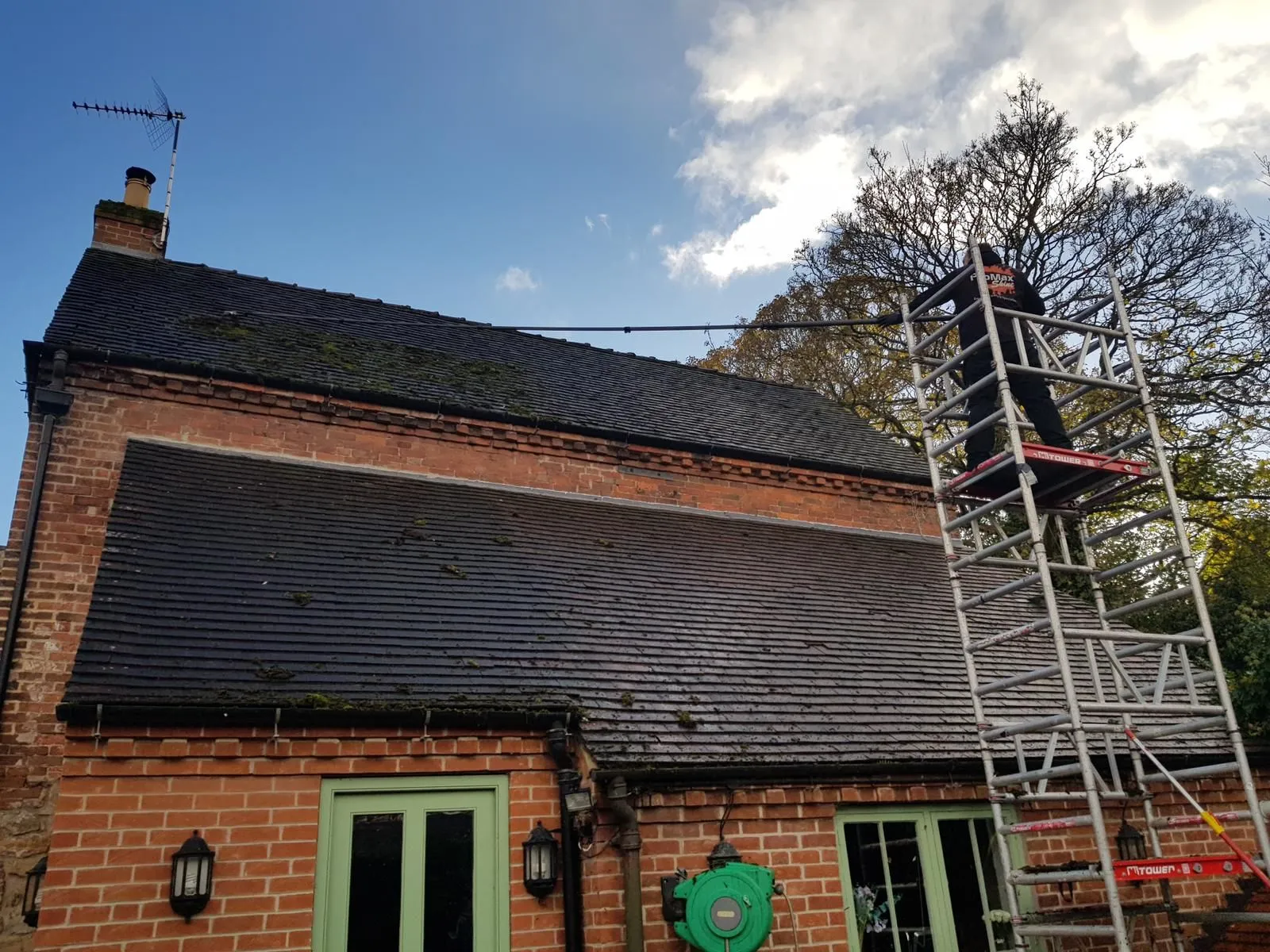
5. Heavy Moss, Lichen, or Algae on Your Tiles
Moss is extremely common on Derby roofs, particularly on north-facing slopes and properties near trees in areas like Darley Abbey, Allestree, and Breadsall. A light covering is normal. Heavy, established moss is a different matter.
Thick moss traps moisture against the tile surface. Over time, it works its way under tile edges and lifts them slightly — enough to let water in during heavy rain. It also blocks gutters and downpipes, which causes overflow and damp at the base of your walls. Lichen is harder to remove and causes slow surface erosion on clay and concrete tiles.
What to do: If moss is thick and well-established, a soft-wash professional clean followed by biocide treatment will deal with it safely without damaging tiles or voiding warranties.
6. Damaged or Failing Flashing Around Chimneys and Vents
Flashing is the lead or metal sealing around chimneys, dormer edges, skylights, and roof vents. It is one of the most common points of failure on Derby roofs — and one of the most overlooked.
Derby’s freeze-thaw winters cause lead flashing to expand and contract repeatedly. Over time, the mortar or sealant holding it in place cracks, lifts, or falls away. Once the seal is broken, water runs straight down the chimney stack or dormer wall and into the structure below.
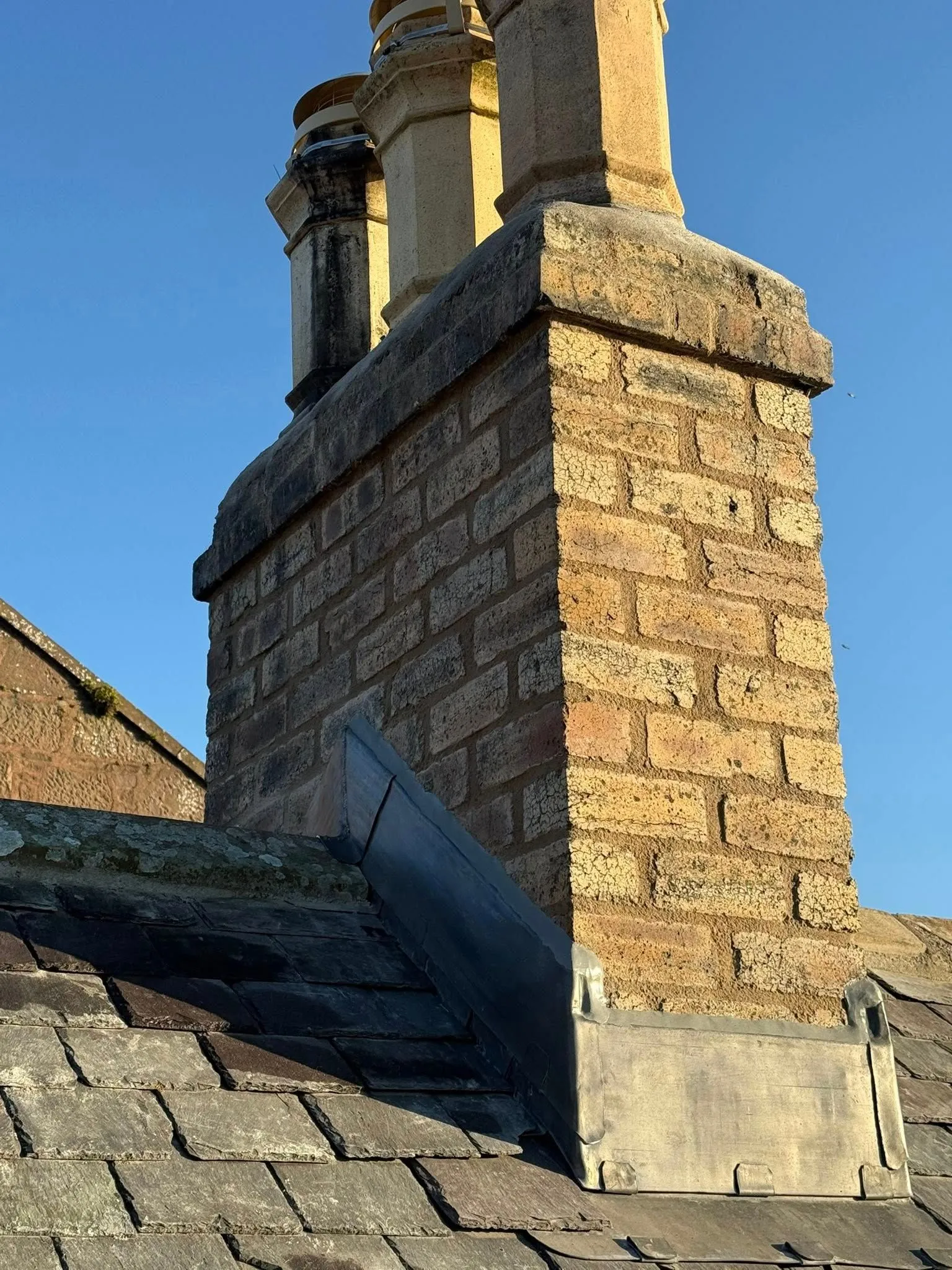
You may not see obvious signs from the ground. But if you have had persistent damp near a chimney breast, a skylight, or a dormer window, failed flashing is likely the cause.
What to do: This is a common repair and usually straightforward when caught early — from re-dressing existing lead to full flashing replacement. We will show you exactly what has failed using drone survey images.
Flat Roofs — Additional Warning Signs Derby Homeowners Should Know
Many Derby properties have flat roofs on extensions, garages, and bay windows. These need different checks. Watch for:
- Pooling water that does not drain within 24 hours
- Blistering, bubbling, or cracking on the roof membrane
- Visible splits or open seams on felt or EPDM rubber
- Damp patches on the ceiling of the room directly below
Flat roofs fail differently from pitched roofs. A membrane that has split or pulled away from an upstand will let in water immediately and silently. If your Derby extension roof is over 10–15 years old and you have not had it checked, a survey is worth doing now. Our flat roofing repairs and replacements cover all systems — EPDM rubber, GRP fibreglass, felt, and single-ply — for both homes and commercial buildings.
How to Check Your Derby Roof Safely
You do not need to get on the roof to spot most problems. Here is what you can do safely:
From Outside
- Stand across the road and look at the full roofline — check for missing tiles, uneven ridges, or sagging
- Walk around the property and look at verges, eaves, and gutters
- Look for moss build-up, cracked mortar on the chimney stack, or displaced ridge tiles
From Inside
- Go into the loft with the light off — look for daylight and feel for damp
- Check the felt for staining, tears, or moisture
- Look at the insulation — damp or compressed insulation is a sign
After Storms
- Check the garden for fallen tiles or ridge pieces
- Look at gutters for overflowing water or debris
- Check upper-floor ceilings for new damp patches
Do not climb onto the roof yourself. It is dangerous, and you risk causing additional damage. Call us for a free drone roof inspection — we use CAA-compliant drones to inspect every part of your roof safely and give you a clear written report.
Repair or Replace? How to Know Which You Need
Seeing one of these warning signs does not automatically mean you need a full new roof. It means you need an honest assessment. As a general guide:
| Factor | Repair Is Usually Right | Replacement Is Usually Right |
|---|---|---|
| Roof age | Under 20 years old and otherwise in good condition | Over 25-30 years old with widespread wear |
| Extent of damage | Localised — a few tiles, one failed flashing, a cracked ridge | The same area keeps failing despite repeated repairs |
| Structural condition | No damage to rafters, purlins or decking, leak is recent | Structural damage to battens, rafters or decking |
| Warning signs present | One isolated sign | Multiple warning signs at the same time |
| Typical Derby cost | From around £150 for a few tiles up to £800 for flashing and repointing | £5,000 to £9,000 for a standard pitched roof |
We never recommend replacement when a repair will genuinely solve the problem. We tell you honestly what the roof needs — and why. A typical roof replacement in Derby costs from around £5,000 to £9,000 for a standard pitched roof, depending on size and materials. Minor repairs typically start from £150–£300.
Why Derby Homeowners Call Us First When a Warning Sign Appears
Some warning signs sit somewhere a ladder or a standard survey can’t reach safely — a steep pitch, a tall chimney stack, or a roof above a conservatory or extension. Our team holds IPAF certification for powered access and MEWP operation and PASMA certification for mobile access tower work, so higher and harder-to-reach signs get checked and fixed properly rather than skipped or bodged from ground level.
That access has caught things a ground-level look would have missed: cracked ridge tiles on a three-storey terrace off Osmaston Road, and sagging felt beneath the ridge line on a 1930s semi in Chaddesden that looked sound from the pavement but was letting water track along a rafter. The same drone survey and tower access has picked up moss-lifted tiles on the steeper pitches common on the newer estates around Oakwood and Chellaston, and slipped flashing on the taller Victorian terraces around Normanton and Pear Tree.
That access capability sits alongside the same practices covered elsewhere on this page — free drone surveys for the initial look, a written itemised quote before any work starts, the same team from first call to completion with no subcontractors, and workmanship warranties running up to 20 years.
What a Free Roof Check Actually Covers in Derby
- A drone inspection of every roof slope, ridge and valley
- Close inspection of flashing around chimneys, dormers, skylights and vents
- A check of guttering, downpipes and soffits for blockages or damage
- A loft inspection for daylight gaps, damp felt and insulation condition
- An assessment of moss, lichen and algae build-up on tiles
- A plain-English written report with photos and an honest recommendation
- A fully itemised quote if repair or replacement work is needed
Not Included / Costed Separately
- Scaffolding or a mobile access tower is costed separately when a job needs it for a steeper or higher roof
- Structural engineer reports for roofs with rotted or failed timbers — we refer these on where a survey shows the need
- Out-of-hours emergency call-outs are arranged separately from a standard booked survey
- Work beyond the roofline itself, such as full guttering replacement or loft insulation top-ups, can be quoted as a separate job
- Listed building or conservation area consent, where the local council requires it for visible repairs
Where We Cover These Roof Checks
Derby is home base, and these checks cover every part of it — from the Victorian terraces around Normanton and Pear Tree, to the semis and estates in Chaddesden, Allestree, Mickleover, Littleover, Oakwood, Spondon and Chellaston, plus the flats and mixed housing nearer the city centre along roads like Osmaston Road and Uttoxeter Road. The same applies just as much to roofs right across Derbyshire.
- Derby (DE1)
- Allestree (DE22)
- Mickleover (DE3)
- Littleover (DE23)
- Chaddesden (DE21)
- Spondon (DE21)
- Oakwood (DE21)
- Chellaston (DE73)
- Normanton (DE23)
- Borrowash (DE72)
- Breadsall (DE21)
- Long Eaton (NG10)
- Belper (DE56)
- Ilkeston (DE7)
- Heanor (DE75)
Frequently Asked Questions About Roof Warning Signs in Derby
How do I know if my roof needs replacing or just repairing?
The age and condition of the rest of the roof is the key factor. If the damage is isolated — a few tiles, failed flashing, or a single leak — a repair is usually the right answer. If the roof is over 25 years old, showing widespread wear, or has been leaking in multiple places, replacement is likely more cost-effective. We give you an honest assessment after every free inspection. We never push replacement when a repair will do the job.
What are the signs my roof is leaking before water comes through the ceiling?
Go into your loft. Damp or stained felt, wet insulation, condensation on the rafters, or a musty smell are all signs water is getting in before it reaches the ceiling below. You may also notice a slight damp smell in upstairs rooms before any visible staining appears. If you spot these signs, call us straight away.
How long does a roof last in Derby?
It depends on the material. Clay tiles can last 60–100 years. Concrete tiles typically last 30–50 years. Natural slate can last 75 years or more. Flat roofs vary: EPDM rubber can last over 50 years with correct installation; standard felt is usually 10–20 years. Derby’s freeze-thaw winters and wet climate can reduce lifespans on poorly maintained roofs. We can tell you where your roof sits after a free inspection.
Is moss on my Derby roof a sign of serious damage?
Moss itself is not immediate structural damage. But heavy, established moss traps moisture, lifts tile edges, and blocks gutters — and that leads to serious damage over time. North-facing slopes across Derby, particularly in Allestree, Darley Abbey, and Breadsall, are especially prone. We recommend treating moss as soon as it becomes established rather than waiting until it causes problems.
What does a sagging roofline mean and is it dangerous?
Yes — a sagging roofline is serious. It indicates structural weakness, usually from prolonged water ingress that has rotted the timbers supporting the roof. It is not a cosmetic issue and it will not improve on its own. If you can see a visible dip in your ridge or roof slope from the street, call us today. We carry out full structural inspections and can advise whether targeted timber repair or a full replacement is needed.
Can I spot roof damage from the ground, or do I need someone to go up and check?
You can spot many signs from the ground — missing tiles, uneven ridges, heavy moss, and visible chimney damage. But a proper assessment requires a closer look at the tile surface, felt, flashings, and internal structure. We use CAA-compliant drones to give you a full picture of every roof surface without scaffolding or ladders. It is free, it takes less than an hour, and you get a written report.
How much does an emergency roof repair cost in Derby?
Minor repairs such as a few replacement tiles typically start from around £150–£300. Flashing repairs and chimney repointing range from around £300–£800. More extensive storm damage can run higher depending on the scope. We always provide a full itemised written quote before any work starts — so you know exactly what you are paying for and why. Call 01332-529704 for a same-day response.
What should I do if I notice damp patches or water stains on my ceiling?
Go to the loft and check for wet felt, damp insulation, or any visible entry points. Take photos of the ceiling stain. Then call us on 01332-529704. Do not wait for the next rainstorm to confirm the leak — water damage spreads fast, and catching it early keeps repair costs down. We aim to respond to all Derby enquiries the same day.
How do I find a trustworthy roofer in Derby and avoid cowboy builders?
Look for a roofer with verifiable local reviews, full public liability insurance, and a clear written quote before any work begins. A trustworthy roofer will never pressure you for cash upfront or push replacement when a repair will do. At Derby Roofers, we provide a written itemised quote for every job, we are fully insured, we use the same team throughout — no subcontractors — and our workmanship warranties run up to 20 years.
Does my home insurance cover emergency roof repairs after storm damage?
Storm damage is generally covered under standard UK buildings insurance policies. Wear and tear is not. If you have storm damage, photograph everything before any temporary work is done, and ask your roofer for a written report documenting the cause of damage — this is what insurers need. We provide written reports for insurance purposes and can advise you on what to include.
Book Your Free Roof Survey in Derby Today
If you have spotted any of these warning signs — or you just want to know the condition of your roof before problems develop — the first step is a free inspection.
We cover Derby and the surrounding areas: Allestree, Mickleover, Normanton, Littleover, Chaddesden, Spondon, Borrowash, Breadsall, Long Eaton, Belper, Ilkeston, Heanor, and throughout Derbyshire. Our free drone roof surveys give you a clear picture of every surface — tiles, flashings, chimney, valleys, and gutters — without scaffolding and without obligation.
- ✅ Free drone roof survey, no obligation and no scaffolding needed
- ✅ Written, itemised quotes before any work starts
- ✅ Workmanship warranties running up to 20 years
- ✅ Same team throughout, no subcontractors
You get a plain-English written report, honest advice, and a fully itemised quote if work is needed. Every week we visit Derby properties where a problem that could have been fixed for a few hundred pounds has turned into a job costing several thousand — because it was left. Do not leave it.